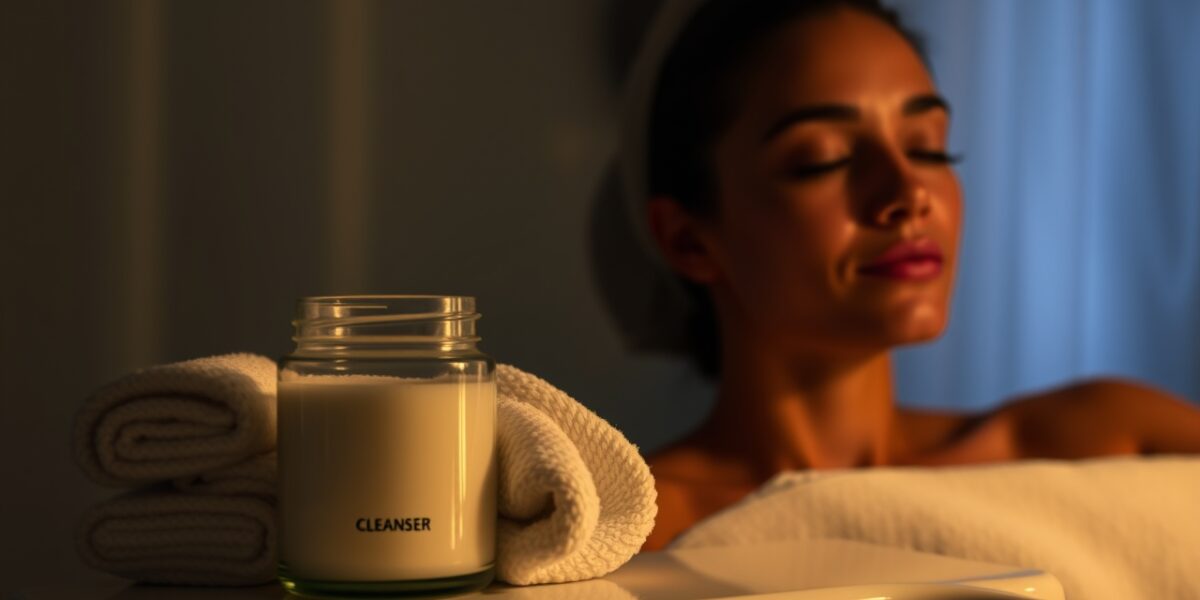
Nighttime is the skin’s most active repair period. For those with sensitive skin, the evening routine becomes a sanctuary where gentle ingredients work in harmony to soothe irritation, restore moisture, and bolster the protective barrier. Below, we break down a complete routine that respects fragility while delivering measurable results.
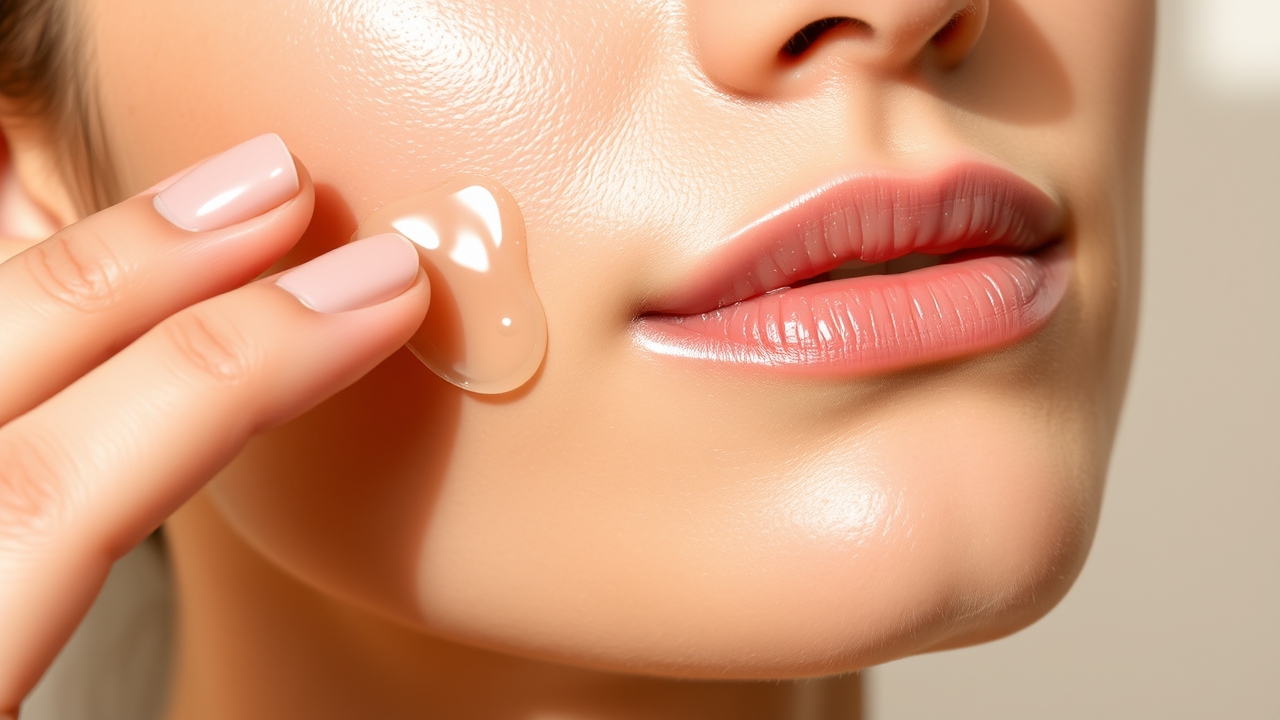
PM Routine Sensitive: Building a Gentle Nightly Regimen
Creating a PM routine sensitive to your skin’s needs starts with understanding the unique challenges that sensitive skin faces. Over the course of the day, environmental pollutants, UV exposure, and even the heat from electronic devices take a toll. At night, your skin’s natural repair processes kick in, but if the products you apply are too harsh, you can disrupt this healing cycle.
Evening Skincare Steps for Sensitive Skin
Below is a five‑step framework that works for most people with sensitive skin. Each step is designed to be gentle yet effective, allowing your skin to recover without triggering redness or flare‑ups.


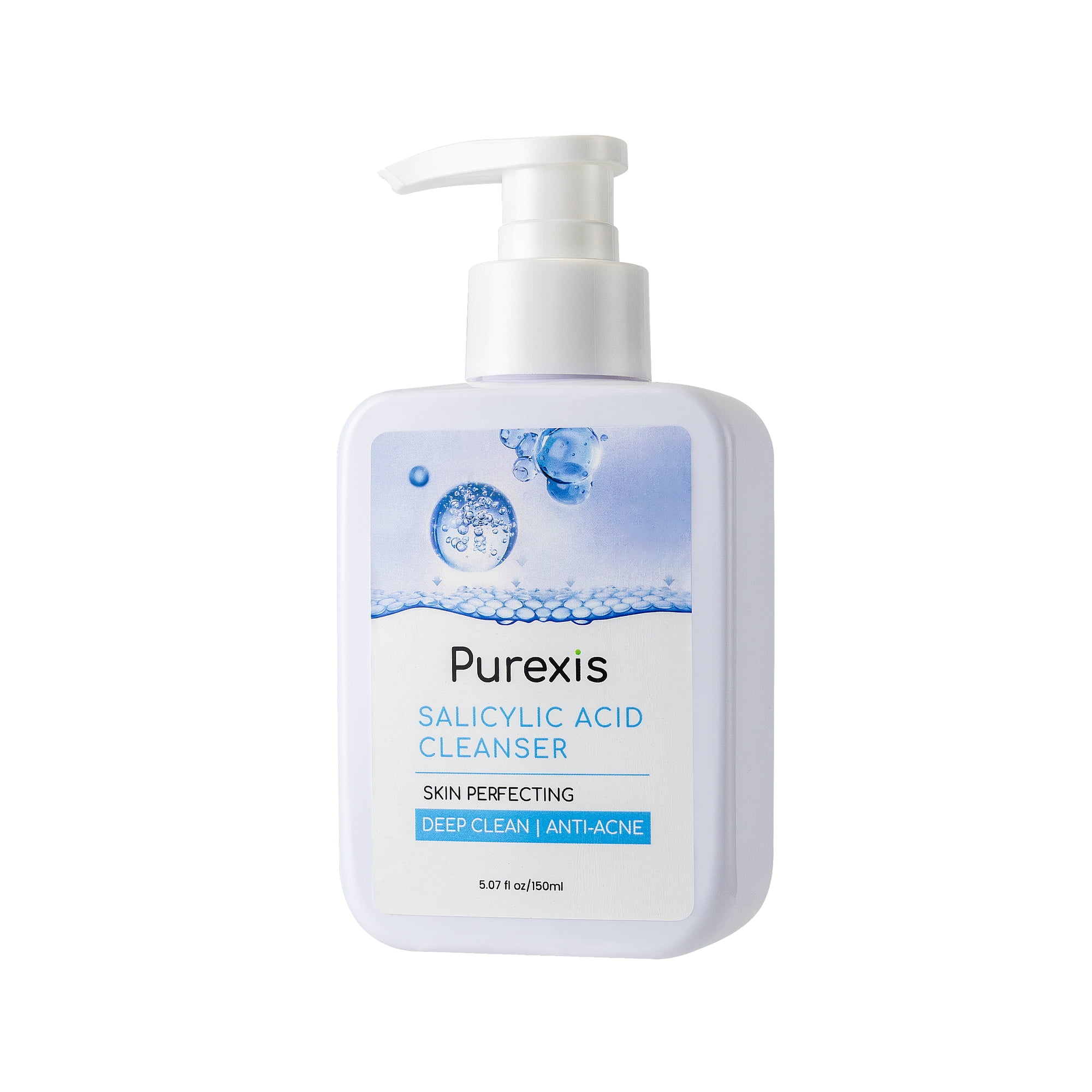
- Step 1: Gentle Cleanser – Use a fragrance‑free, sulfate‑free cleanser that removes makeup and sweat without stripping natural oils. A cream or micellar water works well for sensitive skin night.
- Step 2: Balancing Toner – Look for an alcohol‑free toner with soothing ingredients like aloe or chamomile. It helps restore pH and prepares the skin for absorption.
- Step 3: Targeted Treatment – Apply a lightweight serum or spot treatment that addresses specific concerns—such as a calming niacinamide serum or a gentle antioxidant blend—without heavy fragrance.
- Step 4: Moisturizer – Choose a non‑comedogenic, fragrance‑free moisturizer that locks in hydration. It guards the barrier and prevents water loss during the night.
- Step 5: Eye Cream – A mild eye cream with caffeine or a cooling gel can reduce puffiness and soothe the delicate eye area.
This simple routine can be adapted based on your skin’s response. If you notice any irritation, skip the treatment or eye cream step for a day or two and monitor how your skin reacts.
Ingredient Deep Dive: What to Look For
When shopping for products, the label is your best friend. For sensitive skin, prioritize the following:
- Hyaluronic Acid (HA) – A humectant that draws moisture into the skin. Look for a concentration of 0.5–1% for maximum benefit without irritation.
- Niacinamide (Vitamin B3) – Reduces redness, calms inflammation, and strengthens the barrier. A 5–10% formula is ideal.
- Panthenol (Pro‑Vitamin B5) – Provides soothing hydration and supports skin repair.
- Allantoin – A natural anti‑irritant that promotes cell turnover without aggression.
- Ceramides – Lipids that replenish the skin’s natural barrier. Look for at least 2–derd.
- Avoid – Fragrance, essential oils, high‑pH cleansers, and alcohol (except for a mild, non‑alcoholic toner).
When to Use Retinoids Safely
Retinoids can accelerate collagen production and improve texture, but they’re notorious for causing flare‑ups in sensitive skin. Here’s how to incorporate them without the sting:
- Start Slow – Begin with a 0.1% retinol serum once or twice a week, then gradually increase frequency as tolerance builds.
- Layer Wisely – Apply a barrier cream (like a ceramide‑rich moisturizer) before the retinoid to reduce irritation.
- Night Only – Retinoids should never be used during the day; they can increase photosensitivity.
- Watch for Redness – If you experience persistent redness or peeling, cut back to once a week or pause for a month.
Patch Testing 101
Even “hypoallergenic” products can trigger a reaction. A simple patch test can save you from a costly routine overhaul:
- Apply a small amount of the new product to the inner forearm.
- Cover the spot with a bandage and leave it for 24 hours.
- Check for redness, itching, or swelling.
- If no reaction occurs, you’re good to use it on your face.
Nighttime Skincare for Different Sensitive Skin Types
“Sensitive” can mean a variety of skin concerns. Below are tailored tweaks for common sub‑types:
- Dry Sensitive – Emphasize occlusive ingredients like dimethicone or shea butter in the moisturizer. A hydrating serum with glycerin can boost moisture.
- Oily Sensitive – Use a lightweight gel‑cream and avoid heavy oils. A charcoal or clay toner can help control shine.
- Combination Sensitive – Treat the T‑zone with a mattifying gel and the cheeks with a richer cream.
- Post‑Procedure Sensitive – After dermatologic treatments, keep the routine minimal: cleanser, a soothing serum, and a barrier moisturizer. Skip any active ingredients for at least 48 hours.
Common Myths Debunked
Myth 1: “All fragrance‑free means allergy‑free.”
Truth: Fragrance‑free does not guarantee zero allergens; preservatives like parabens can still trigger reactions.
Myth 2: “Sensitive skin never needs sunscreen.”
Truth: Sun protection is essential; look for mineral sunscreens with zinc oxide or titanium dioxide and no fragrance.
Myth 3: “More products equal better results.”
Truth: Over‑layering can overwhelm the barrier. Stick to the five essential steps.
Calming Night Routine: Relaxation Techniques
Beyond topical care, the environment you create around your nighttime routine can influence the outcome. Here are a few calming practices that pair wonderfully with a sensitive skin night routine.
- Warm Compress – A warm, damp washcloth on the face for a minute or two can increase circulation and help the skin absorb products more effectively.
- Aromatherapy – Diffusing a few drops of lavender or chamomile essential oil creates a soothing atmosphere. Avoid strong scents that might irritate the skin.
- Light Therapy – A soft, warm LED lamp or a low‑intensity blue light can calm inflammation and promote collagen production.
- Mindful Breathing – Taking slow, deep breaths while you apply each step can reduce stress, which is a known trigger for sensitive skin flare‑ups.
These additions help shift the focus from external irritants to internal calm, reinforcing the benefits of your nighttime skincare routine for sensitive skin.
Sensitive Skin Night: What to Avoid
Even the best routine can be undermined by a few common pitfalls. Pay close attention to these triggers:
- Harsh Exfoliants – Physical scrubs or high‑pH chemical exfoliants can damage the barrier. Use a very mild alpha‑hydroxy acid (AHA) or beta‑hydroxy acid (BHA) only once or twice a week.
- Fragrance and Colorants – Synthetic fragrances and dyes are a top cause of irritation. Stick to products labeled fragrance‑free.
- Hot Water – Washing the face with water above 40°C can strip oils and increase sensitivity. Aim for lukewarm water instead.
- Over‑Moisturizing – Applying several layers of cream can lead to clogged pores and breakouts, even on sensitive skin.
- Ignoring Patch Tests – A new product can surprise you. Perform a patch test on your inner forearm before using it on your face.
By steering clear of these irritants, you give your nighttime skincare routine for sensitive skin a better chance to work.
Lifestyle Tips to Complement Your Nighttime Regimen
What you do outside the bathroom can have a direct impact on how well your skin heals overnight. Consider these habits:
- Hydration – Drinking at least 1.5–2 liters of water daily keeps skin supple and supports barrier repair.
- Balanced Diet – Foods rich in omega‑3 fatty acids, antioxidants, and vitamins A, C, and E can strengthen the skin’s resilience.
- Consistent Sleep – Aim for 7–9 hours of uninterrupted sleep. The body’s repair mechanisms are most active during deep sleep stages.
- Stress Management – Chronic stress can amplify inflammation. Yoga, meditation, or simple breathing exercises before bed can help.
- Bedroom Environment – Keep the bedroom cool, dark, and quiet. A room temperature around 18–20°C and a dark curtain can improve sleep quality.
- Screen Time – Reduce blue light exposure at least an hour before bed. Use “night mode” on devices or a blue‑light filter.
When these lifestyle choices align with a carefully curated nighttime skincare routine for sensitive skin, the benefits multiply.
Common Mistakes to Avoid
Even well‑meaning routines can backfire if certain errors slip in. Here are the most frequent missteps and how to correct them:
- Skipping the Cleanser – Residual makeup or sunscreen can clog pores. Never skip the first step, even if you’re in a hurry.
- Using Too Many Products – Layering too many actives can overwhelm sensitive skin. Stick to the essentials: cleanser, toner, serum, moisturizer, and eye cream.
- Applying Products Too Cold or Too Hot – Cold products can cause micro‑shocks, while hot products can trigger redness. Let products reach room temperature before application.
- Ignoring Patch Tests – A product that works on one area of the body may not be suitable for the face. Always patch test new items.
- Not Updating Products Regularly – Skin changes over time. Reassess your routine every 3–6 months and adjust ingredients as needed.
Mindful attention to these details ensures that your nighttime skincare routine for sensitive skin remains a source of relief rather than irritation.
Frequently Asked Questions
Nighttime skincare routine for sensitive skin: What ingredients should I avoid?
Common irritants include fragrances, dyes, high‑pH cleansers, and certain preservatives such as parabens or formaldehyde releasers. Opt for fragrance‑free, hypoallergenic formulations.
PM routine sensitive: How often should I exfoliate?
For sensitive skin, limit exfoliation to once or twice a week. Use a gentle chemical exfoliant with low concentration of AHAs or BHAs.
Evening skincare steps for sensitive skin: Can I use retinoids at night?
Retinoids can be incorporated if you tolerate them, but start with a low concentration and apply on alternate nights. Consult a dermatologist if you have persistent redness.
Sensitive skin night: How do I know if my routine is working?
Look for reduced redness, improved hydration, and fewer breakouts. If you notice new irritation, reassess the ingredients and consider simplifying your routine.
Calming night routine: Are there any non‑product ways to soothe sensitive skin?
Yes—maintain a consistent sleep schedule, reduce stress, stay hydrated, and keep your bedroom cool. These lifestyle adjustments can significantly calm sensitive skin.
For more comprehensive guidance on skin health, you may find the Wikipedia entry on Sensitive Skin helpful. And if you want to explore additional resources, feel free to visit our main page.
Leave a Reply