How to get rid of blackheads can feel like a daunting quest, but with the right approach you can clear pores without over‑treating your skin. In this guide, I walk you through science‑backed steps, ingredient choices, and daily habits that keep your complexion smooth.
How to Get Rid of Blackheads
Blackheads, technically known as open comedones, occur when a pore becomes clogged with sebum and dead skin cells. The dark appearance comes from oxidation, not dirt. Understanding this helps you target the root cause rather than just surface cleaning.
Understanding the Problem: What Are Blackheads?
According to the Blackhead entry, a blackhead forms when the pore’s opening remains open, allowing light to penetrate the trapped oil and give it that characteristic dark look. The process is common on the nose, chin, and forehead. Knowing that the pore isn’t closed means you can use gentle chemical exfoliants that dissolve the debris without stripping the skin’s protective barrier.


Choosing the Right Ingredients: Salicylic Acid for Blackheads
- Salicylic acid is a beta‑hydroxy acid (BHA) that dissolves excess oil and dead cells inside the pore.
- It’s oil‑soluble, so it penetrates sebum‑filled openings better than many water‑soluble exfoliants.
- A concentration of 0.5 %–2 % is typically safe for daily use and may help prevent new blackheads from forming.
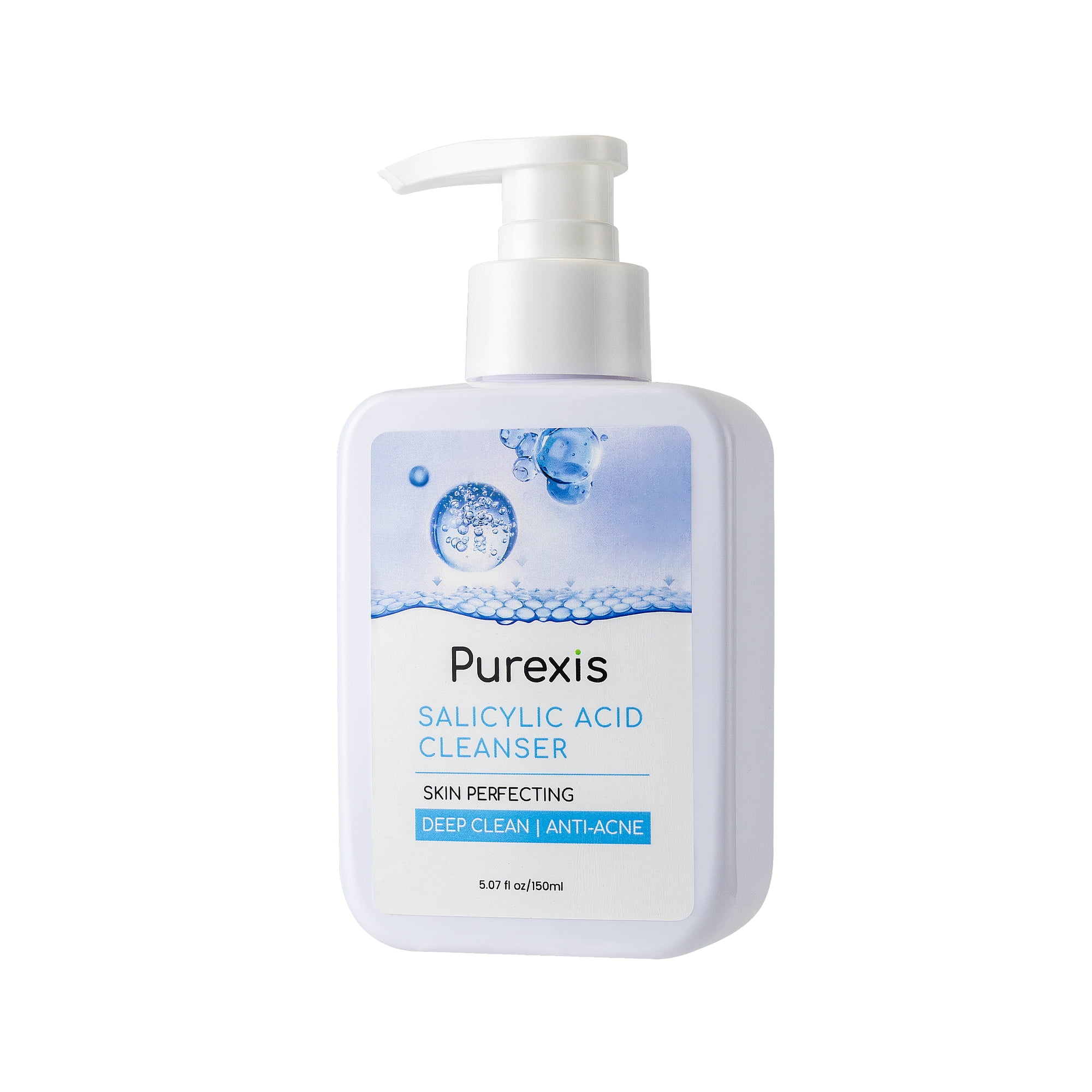
When you incorporate a serum or cleanser containing salicylic acid for blackheads, you’re giving your skin a gentle yet effective way to keep pores clear. Apply once or twice a week if you’re new to BHA, then increase frequency as tolerated. This approach is a cornerstone for anyone seeking to learn how to get rid of blackheads effectively. This is one of the most reliable ways to learn how to get rid of blackheads without harsh routines.
The Role of BHA for Pores and Nose Blackheads
BHA is the umbrella term for beta‑hydroxy acids. Salicylic acid is the most common BHA used in over‑the‑counter products. Because it dissolves oil, it’s especially useful for nose blackheads. A targeted routine that focuses on the nose can reduce congestion without over‑drying surrounding skin.
Daily Routine: Cleanse, Exfoliate, Moisturize
- Cleanse: Use a blackhead face wash that contains gentle surfactants and a low dose of BHA. Avoid foaming cleansers that strip natural oils.
- Exfoliate: Once or twice weekly, apply a light salicylic acid serum or a BHA wash. Massage in circular motions, focusing on problem areas.
- Moisturize: Finish with a non‑comedogenic moisturizer to maintain hydration. Look for ingredients like hyaluronic acid or ceramides.
Consistency is key. A routine that respects the skin’s barrier will prevent irritation and give the BHA time to work effectively. Following this routine helps you master how to get rid of blackheads over time. By following this plan, you’re taking active steps to learn how to get rid of blackheads while keeping your skin balanced.
Common Mistakes That Make Blackheads Worse
- Over‑Scrubbing: Aggressive scrubbing can damage the barrier, causing more oil production.
- Skipping Moisturizer: A dry skin can over‑compensate by producing more sebum.
- Using Too High a Concentration: A 5 % salicylic acid product may be too harsh for most home users.
- Ignoring Sun Protection: BHA can increase photosensitivity, so sunscreen is essential.
Avoiding these mistakes is part of how to get rid of blackheads without over‑treating. By avoiding them, you preserve your skin’s natural defenses. These errors are common pitfalls for people trying to learn how to get rid of blackheads.
When to Seek Professional Help
If you notice persistent redness, swelling, or infection, consult a dermatologist. Professional extractions or prescription treatments may be warranted. For most people, a steady, gentle routine is enough to manage blackheads. If you’re uncertain about how to get rid of blackheads on stubborn areas, consider professional guidance. If you’re unsure how to get rid of blackheads and the routine isn’t working, a professional assessment may be needed.
Step‑by‑Step Routine for Beginners
- Morning: Gently cleanse with a BHA‑infused cleanser (e.g., Paula’s Choice 2% BHA Liquid Exfoliant diluted 1:1 with water). Pat dry.
- Mid‑day: Apply a lightweight, oil‑free moisturizer with ceramides. Follow with broad‑spectrum SPF 30+.
- Evening: Repeat the cleansing step. If your skin tolerates it, apply a 2 % salicylic acid serum directly to the nose and chin.
- Weekly: Use a gentle clay mask (e.g., Benton Aloe BHA Skin Toner) once a week to absorb excess oil.
- Monthly: Perform a professional extraction or use a silicone pore strip sparingly.
How to Use a Clay Mask Effectively
Clay masks are great for drawing out impurities but can be drying. Dilute the mask with water or rose water to avoid stripping the barrier. Apply to the entire T‑zone, leave for 10–12 minutes, rinse with lukewarm water, and follow with moisturizer. Use no more than twice a month to maintain balance.
Gentle Extraction at Home
Never force extraction; it can cause scarring. Instead, use a comedone extractor with a small loop. Warm your face with steam, apply a thin layer of salicylic acid, and gently press the loop over the blackhead. Pat the area and follow with a soothing toner.
Monitoring Progress
Keep a simple skin journal. Note the frequency of blackheads, any irritation, and how the skin feels. Take before/after photos monthly to objectively track improvement. Adjust concentration or frequency based on your skin’s response.
Long‑Term Maintenance
Once pores are clear, maintenance is simpler. Continue a light BHA once or twice a week, keep the skin hydrated, and always wear sunscreen. If you notice new blackheads, re‑introduce the BHA at a lower frequency rather than increasing strength.
Common Myths Debunked
- “Blackheads are caused by dirt.” They’re caused by excess oil and dead skin cells.
- “You must scrub hard to get rid of them.” Scrubbing can worsen oil production.
- “All acne products are the same.” BHA, AHA, and retinoids target different issues.
- “You can’t use sunscreen with BHA.” Sunscreen is essential; BHA increases photosensitivity.
- “Professional extractions are always better.” Home care can be effective if done correctly.
Lifestyle Factors That Influence Blackheads
- Diet: High glycemic foods can increase sebum production. Incorporate omega‑3 fatty acids and antioxidants.
- Hydration: Adequate water intake helps maintain skin elasticity and reduces oiliness.
- Stress: Cortisol can trigger sebum overproduction. Practice mindfulness or yoga.
- Sleep: Aim for 7–8 hours to allow skin repair cycles.
- Hygiene: Change pillowcases weekly and clean makeup brushes regularly.
FAQ
How to get rid of blackheads mesmo? Is it safe for sensitive skin?
Using a mild BHA (0.5 %) and limiting frequency can work for sensitive skin. Patch test first and monitor for irritation.
Can I use a blackhead face wash daily?
Yes, if the formula is gentle and contains a low BHA level. Over‑use may lead to dryness.
What’s the difference between blackheads and whiteheads?
Blackheads are open pores that oxidize; whiteheads are closed comedones that remain sealed.
Can I get rid of nose blackheads with a mask?
Clay masks can absorb excess oil but should be used sparingly. Pair with BHA for best results.
Will I lose my skin’s natural barrier with BHA?
When used correctly—moderate concentration and proper moisturization—the barrier remains intact.
What if I still see blackheads after 3 months?
Consider increasing the BHA frequency to twice a week, adding a gentle AHA (like 5 % glycolic) on alternate nights, or consulting a dermatologist for prescription options.
For more tips, visit our Healthy Skin World.
Remember, learning how to get rid of blackheads is a gradual process that rewards patience and consistency. By consistently applying a gentle BHA, you can slowly learn how to get rid of blackheads without causing irritation.
Leave a Reply