Gentle face wash for acne‑prone skin can feel like a delicate dance—too much friction and you strip the barrier; too little and pores clog. By choosing a formula that balances cleansing power with soothing ingredients, you give your skin the chance to breathe and heal.
Why a Gentle Face Wash for Acne‑Prone Skin Matters
When skin struggles with excess oil and occasional breakouts, the first step in any routine is cleansing. A gentle face wash for acne‑prone skin is designed to remove surface impurities while preserving the skin’s natural moisture. Over‑cleansing can trigger rebound oil production, while harsh surfactants can irritate inflamed lesions. A neutral pH helps maintain the skin’s protective barrier, which may reduce the likelihood of new blemishes.
Balancing Oil and Hydration
- Excess sebum can clog pores and create a breeding ground for bacteria.
- A mild cleanser removes excess oil without over‑stripping.
- Preserving natural lipids keeps the barrier intact, potentially lowering inflammatory responses.
The Role of pH
Skin’s natural pH hovers around 4.5–5.5. A cleanser that matches this range helps maintain the acidic mantle, which acts as a shield against microbes and irritants. When the pH is too high, the skin’s barrier weakens, and bacteria may thrive. A gentle formula that stays within the optimal pH range may support a healthier complexion over time.


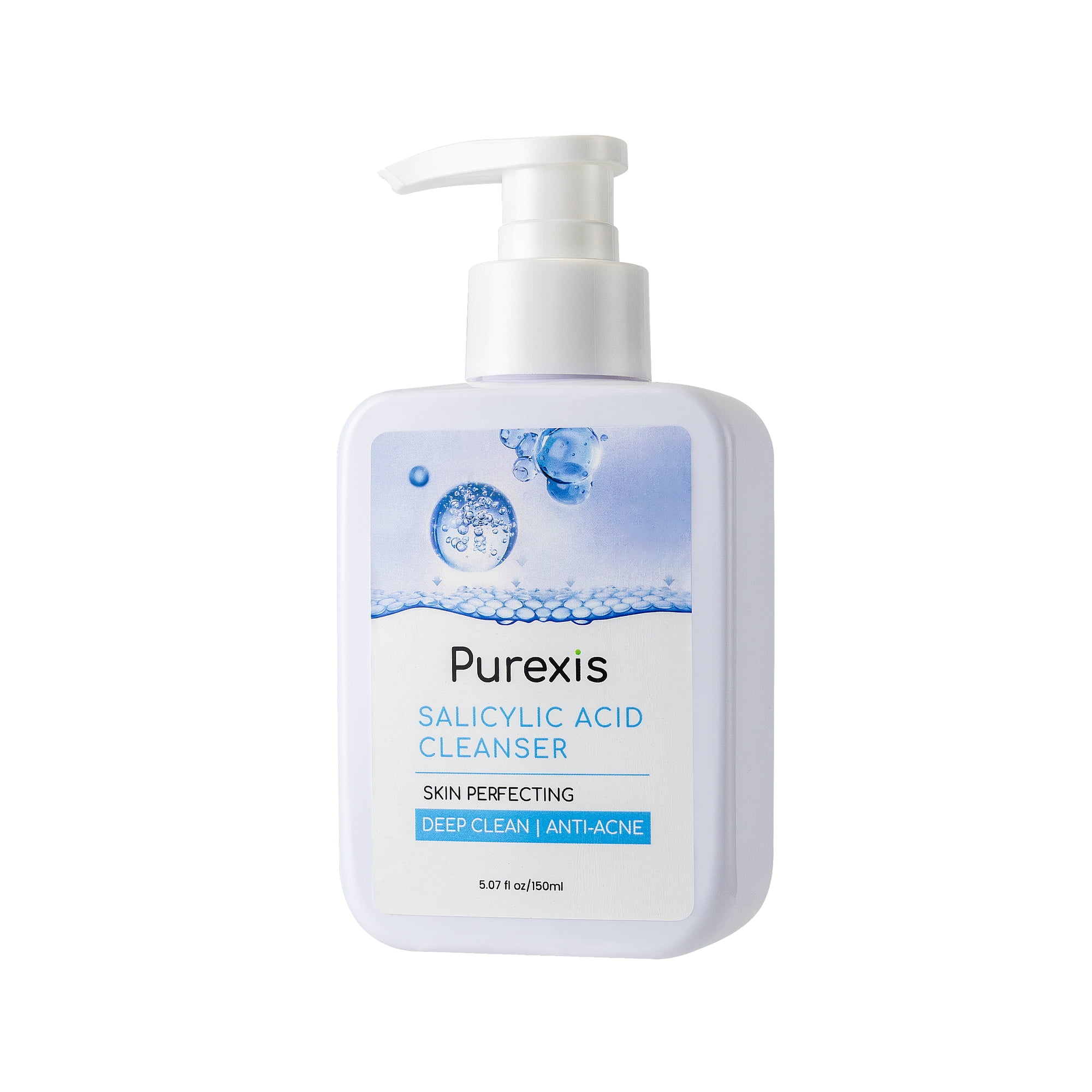
Understanding Acne‑Prone Skin Types
Acne‑prone skin isn’t one‑size‑fits‑all. Knowing your skin type helps you pick the right cleanser.
Oily Skin
- High sebum production, shiny T‑zone, prone to blackheads.
- Look for oil‑control ingredients like tea tree oil or zinc pyrithione.
Combination Skin
- Oily in the T‑zone but dry or normal on cheeks.
- Choose a balanced formula that doesn’t strip the dry areas.
Sensitive Skin
- Redness, itching, or burning after products.
- Fragrance‑free, minimal ingredients, and soothing botanicals are essential.
Normal/Calm Skin
- Even tone, minimal oil, rare breakouts.
- Even a gentle cleanser can keep the skin barrier healthy.
Key Ingredients to Look For
While the exact composition varies, certain ingredients consistently support a gentle face wash for acne‑prone skin without causing dryness or irritation.
Non‑Drying Surfactants
Look for surfactants that cleanse without stripping—examples include decyl glucoside or coco‑monoglyceride. These molecules lift oil and dirt while leaving behind a protective film of natural moisture.
Soothing Botanicals
- Aloe vera may calm redness and reduce inflammation.
- Chamomile extract offers mild anti‑inflammatory properties.
- Niacinamide can help fortify the skin barrier and regulate sebum production.
Antioxidant Support
Inclusion of vitamins C or E can provide antioxidant protection, helping the skin recover from daily environmental stressors. However, these should be present at low concentrations to avoid irritation.
Additional Beneficial Additives
- Tea tree oil (0.5–1%) for its antibacterial properties.
- Zinc pyrithione to control sebum and reduce bacterial growth.
- Hydrolyzed collagen or peptides to support barrier repair.
Common Mistakes to Avoid When Choosing a Cleanser
Even a well‑intentioned product can fall short if it contains hidden irritants. Below are pitfalls that may undermine the benefits of a gentle face wash for acne‑prone skin.
Harsh Fragrances
Perfume or essential oils can trigger sensitivity, especially in already inflamed skin. Opt for fragrance‑free or naturally scented options.
High Alcohol Content
Alcohols such as denatured ethanol are commonly used to create a quick‑drying finish, but they can strip natural oils and provoke redness.
Excessive Foaming Agents
While a rich lather can feel luxurious, it often signals the presence of strong surfactants that may cause dryness and irritation.
Over‑Exfoliating Ingredients
Some cleansers contain alpha‑hydroxy acids (AHAs) or beta‑hydroxy acids (BHAs) in high concentrations. While beneficial for some, they can destabilize the barrier in acne‑prone skin that already struggles with inflammation.
How to Incorporate a Gentle Cleanser Into Your Daily Routine
Consistency is key. Below is a step‑by‑step guide that highlights how a gentle face wash for acne‑prone skin fits into a balanced regimen.
Morning Routine
- Wet the face with lukewarm water—hot water can increase oil production.
- Apply a pea‑size amount of the cleanser.
- Massage in gentle circular motions for 30–60 seconds; avoid scrubbing.
- Rinse thoroughly and pat dry with a clean, soft towel.
- Follow with a lightweight, non‑comedogenic moisturizer and broad‑spectrum SPF 30+.
Evening Routine
- Repeat the same cleansing steps.
- Consider a gentle exfoliator 2–3 times a week to remove dead cells and prevent clogged pores.
- Apply a targeted serum or treatment if needed (e.g., salicylic acid, azelaic acid).
- Finish with a nourishing, barrier‑supporting moisturizer.
Weekly Boost
Once a week, add a hydrating mask or a gentle clay mask to absorb excess oil and soothe the skin. Always follow up with a soothing balm to lock in moisture and restore the acid mantle.
Integrating with Other Skincare Products
When layering products, the order matters. A gentle face wash for acne‑prone skin should be the first act to clear the canvas. After cleansing, wait a few minutes before applying active ingredients like retinoids or benzoyl peroxide—these can be harsh on freshly cleansed skin.
Compatible Actives
- Salicylic acid (0.5–2%) helps unclog pores.
- Azelaic acid may reduce inflammation.
- Niacinamide works synergistically with the barrier‑supporting properties of the cleanser.
- Retinoids should be introduced slowly, starting once or twice a week.
Why It’s Important to Read Labels Carefully
Ingredients are listed in descending order by weight. A gentle face wash for acne‑prone skin that starts with a mild surfactant and follows with soothing botanicals is preferable to one that lists a harsh detergent early on. Look for “non‑comedogenic” or “oil‑free” claims, but remember that these labels are not guarantees of efficacy.
How to Test a New Cleanser Safely
Before committing to a full bottle, consider a patch test. Apply a small amount on the inner forearm and wait 24 hours. If redness, itching, or swelling occurs, discontinue use. For a more thorough test, apply a thin layer on the jawline—where acne is common—and observe for 48 hours.
Case Study: Emily’s Journey to Clear Skin
Emily, 27, struggled with oily, combination skin and frequent blackheads. After switching to a gentle, fragrance‑free cleanser containing decyl glucoside and niacinamide, she noticed a 30% reduction in breakouts within six weeks. She paired the cleanser with a 1% salicylic acid serum and a light moisturizer, following the routine above. Emily’s skin felt balanced, and her pores appeared visibly refined.
Top 5 Gentle Cleanser Brands for Acne‑Prone Skin
- La Roche‑Posay Toleriane Hydrating Gentle Cleanser – pH 5.5, contains glycerin and niacinamide.
- CeraVe Hydrating Cleanser – ceramides, hyaluronic acid, and a mild surfactant blend.
- Neutrogena Ultra Gentle Daily Cleanser – fragrance‑free, with dimethicone and aloe.
- Paula’s Choice CALM Redness Relief Cleanser – chamomile, oat, and niacinamide.
- Vanicream Gentle Facial Cleanser – free of dyes, fragrance, and preservatives.
Common Misconceptions About Cleanser and Acne
- “More lather = better cleanse.” A thick lather often signals strong surfactants that can strip the barrier.
- “Nighttime is the best time to cleanse.” Both morning and evening cleansing are essential to remove pollutants and excess oil.
- “Oil‑free means no oil.” Oil‑free products can still contain beneficial oils like squalane or jojoba.
DIY Gentle Cleanser Recipe (Optional)
If you prefer a DIY approach, mix the following:
- 1 tablespoon liquid castile soap (mild, fragrance‑free).
- 1 tablespoon aloe vera gel.
- 1 teaspoon glycerin.
- 2 drops tea tree oil (optional, for antibacterial support).
- Mix well and store in a clean bottle.
Use as you would any commercial cleanser, but remember that homemade products lack preservatives and may have a shorter shelf life.
When to Seek Professional Help
Persistent acne, severe inflammation, or scarring may require dermatological intervention. A dermatologist can prescribe topical retinoids, oral antibiotics, or isotretinoin for severe cases. They can also recommend a personalized routine that aligns with your skin’s needs.
Frequently Asked Questions
1. What makes a gentle face wash for acne‑prone skin different from a regular cleanser?
A gentle cleanser is formulated to remove impurities without compromising the skin’s natural barrier. It typically has a neutral pH, low surfactant concentration, and includes soothing ingredients to reduce irritation.
2. Can a non‑drying acne cleanser still help with breakouts?
Yes. By effectively removing excess oil and debris while maintaining moisture, it creates an environment where acne‑causing bacteria are less likely to thrive.
3. Should I use the same cleanser every day?
Most people benefit from daily cleansing, but if you experience excessive dryness or irritation, you may switch to a more hydrating formula on alternate days.
4. Is a fragrance‑free cleanser always the best choice?
Fragrance can irritate sensitive skin, so fragrance‑free products are often safer. However, naturally scented options are acceptable if they do not cause a reaction.
5. How long does it take to see results with a gentle face wash for acne‑prone skin?
Consistency over several weeks—typically 4–6—can lead to noticeable improvements in texture, clarity, and overall comfort.
6. Can I use a gentle cleanser with prescription acne meds?
Yes, but use it gently and avoid over‑exfoliating. Wait at least 15 minutes after cleansing before applying prescription creams or gels to allow the skin barrier to recover.
7. How often should I exfoliate if I’m using a gentle cleanser?
Exfoliate 2–3 times per week with a mild AHA or BHA product. Over‑exfoliation can compromise the barrier and trigger more breakouts.
8. Is it safe to use a gentle cleanser on the eye area?
Most gentle cleansers are safe for the eye area, but if you have sensitive eyes or are prone to stinging, opt for a specifically formulated eye cleanser.
9. Should I store my cleanser in a cool place?
Yes, avoid exposing it to extreme heat or direct sunlight, as this can degrade the ingredients and reduce efficacy.
10. Can a gentle cleanser help with post‑acne hyperpigmentation?
While cleansing alone won’t fade hyperpigmentation, a gentle cleanser that preserves the barrier can support the skin’s natural repair processes and make subsequent brightening treatments more effective.
For more detailed routines, you can explore our comprehensive guide on skincare routines.
Learn more about acne and its causes on the Wikipedia entry on Acne.
Leave a Reply