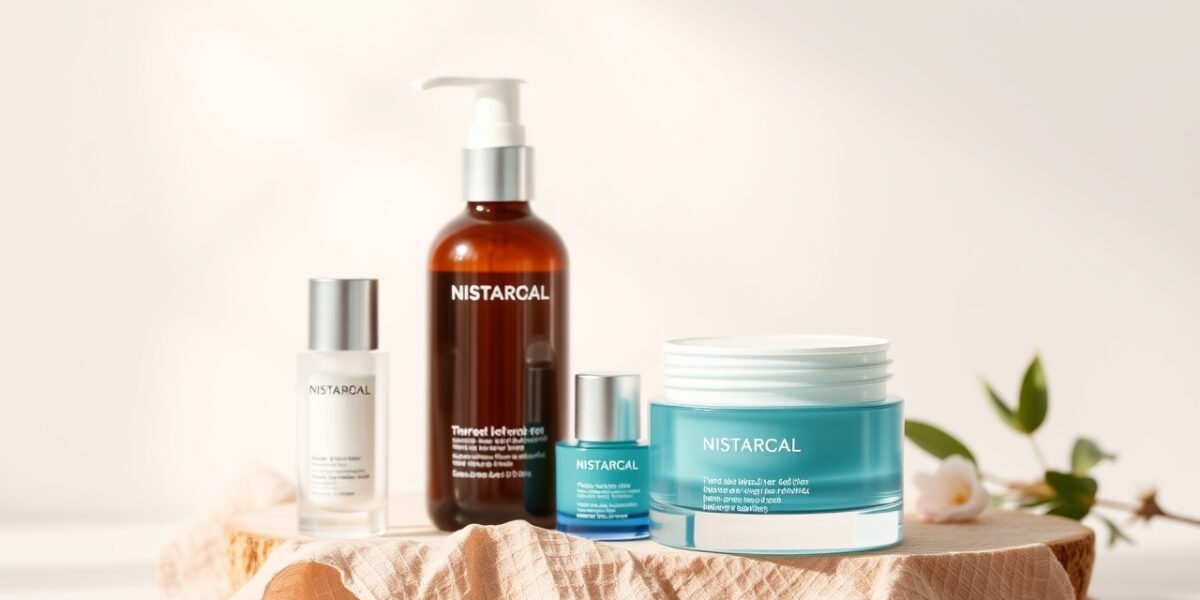
best night cream for anti aging can transform your nighttime routine into a powerful anti‑aging ritual. When you apply the right cream before bed, you give your skin the chance to repair, renew, and restore itself while you sleep. In this guide, we’ll walk through the science behind nighttime skin care, the key ingredients that make a cream truly effective, and how to choose a formula that matches your skin type and concerns.
best night cream for anti aging
The term “best night cream for anti aging” is often used as shorthand for a product that delivers visible improvements in fine lines, elasticity, and overall texture. However, the best solution varies from person to person. Factors such as skin type, sensitivity, environmental exposure, and lifestyle all influence which formulation will work best for you.
Why Nighttime Matters
During sleep, the body’s natural repair mechanisms kick into high gear. Collagen synthesis increases, cell turnover speeds up, and the skin’s barrier function is strengthened. By targeting your skin with potent ingredients at this time, you allow the molecules to penetrate more deeply and work in concert with your body’s own processes.


Key Ingredients to Look For
- Retinol – A derivative of vitamin A, retinol is the gold standard for stimulating collagen production and accelerating cell turnover. It also helps to smooth fine lines and improve pigmentation. Because retinol can be irritating, it’s typically found in lower concentrations (0.1%–0.5%) in night creams, especially for beginners. Retinol works best when paired with soothing agents.
- Peptides – Short chains of amino acids that signal the skin to produce more collagen and elastin. Peptide‑rich creams can help firm and lift the skin over time.
- Hyaluronic Acid – A humectant that attracts and holds water, giving skin a plump, hydrated appearance. It’s essential for counteracting the drying effects of retinol and other actives.
- Niacinamide – Also known as vitamin B3, niacinamide improves barrier function, reduces redness, and evens skin tone.
- Antioxidants (vitamin C, E, green tea, resveratrol) – These molecules neutralize free radicals that accelerate aging. Antioxidants also help protect the skin from environmental damage.
- Ceramides – Lipids that reinforce the skin’s barrier, keeping moisture in and irritants out.
Choosing the Right Formula for Your Skin Type
The best night cream for anti aging will feel lightweight yet nourishing on normal and oily skin, and rich enough to hydrate dry or mature skin. Sensitives need fragrance‑free, hypoallergenic options to avoid irritation.
Normal/Oily Skin
Look for a gel‑based or lightweight cream that contains niacinamide and hyaluronic acid. Avoid heavy oils or silicones that can clog pores.
Dry/Mature Skin
Opt for a richer cream with ceramides, peptides, and a higher concentration of retinol (up to 0.5%). A slightly thicker texture helps lock in moisture overnight.
Sensitive Skin
Choose fragrance‑free products with calming ingredients like aloe vera or chamomile. Retinol should be introduced gradually, starting at 0.1% and increasing as tolerated.
How to Apply Your Night Cream
Application technique is as important as the ingredients. Follow these steps for maximum benefit:
- Start with a clean face. Use a gentle cleanser and pat dry.
- Apply a toner if you use one, allowing it to absorb.
- Use a pea‑sized amount of cream. Gently massage in upward, circular motions.
- Don’t forget the neck and décolletage – these areas show signs of aging quickly.
- Allow the cream to absorb for 2–3 minutes before applying any additional products.
When to Use Retinol?!
Retinol night cream is a powerful anti‑aging tool, but it’s not for everyone. Here are some guidelines:
- Start with 1–2 nights a week if you’re new to retinol.
- Gradually increase frequency to 4–5 nights as your skin adapts.
- Always pair with a moisturizer or serum containing humectants to mitigate dryness.
- Use sunscreen during the day, as retinol can increase photosensitivity.
Common Mistakes to Avoid
- Skipping moisturizer: Retinol can be drying; a hydrating layer helps maintain the skin barrier.
- Applying too much: A pea‑sized amount is enough; excess can lead to irritation.
- Using it during the day: Retinol should be reserved for nighttime to prevent photosensitivity.
- Ignoring sunscreen: Even with a night cream, you need daytime protection.
How to Layer With Other Nighttime Products
If you use multiple serums or treatments, order matters:
- Lightest to heaviest: Toner → Antioxidant serum → Retinol or peptide cream → Moisturizer.
- When using a retinol night cream, apply it after antioxidant serums but before heavier moisturizers.
- For a firming cream, you can layer it over a base moisturizer, especially if it contains peptides or niacinamide.
Choosing a Firming Cream for Added Support
Firming creams often contain peptides, caffeine, and botanical extracts that improve elasticity. They can be used in place of or alongside a retinol night cream. Look for a texture that feels firm yet flexible.
Common Questions About Night Creams
- What is the difference between a night cream and a moisturizer?
- Can I use a retinol night cream if I have rosacea?
- How long does it take to see results?
- Is it safe to use a night cream with a chemical exfoliant?
- Do I need a separate night cream for my neck?
How to Store Your Night Cream
Keep your cream in a cool, dry place away from direct sunlight. If the product contains retinol or vitamin C, store it in the refrigerator for longer shelf life.
Advanced Nighttime Rituals
For those who want to elevate their routine, consider adding these steps:
- Double Cleansing: Start with an oil‑based cleanser to dissolve makeup and sunscreen, then follow up with a water‑based cleanser to remove any residue. This ensures a clean canvas for your night cream.
- Targeted Serums: After toning, apply a serum with a high concentration of antioxidants or a peptide blend. Allow it to absorb fully before moving to the cream.
- Hydrating Mask: Once or twice a week, use a sheet or overnight mask that contains hyaluronic acid or ceramides. This boosts moisture and barrier repair.
- Facial Massage: Use your fingertips or a jade roller to massage the cream into the skin. Gentle upward strokes improve circulation and help the product penetrate deeper.
Ingredient Deep Dive: Retinoids vs Retinol
While many consumers equate all retinoids with retinol, there are subtle differences that affect potency and tolerance:
- Retinol is the most common form found in retail products. It requires conversion by the skin to retinoic acid, which can reduce irritation but also slows the onset of results.
- Retinaldehyde (retinal) is one step closer to the active form and delivers faster results with slightly less irritation than retinol.
- Retinoic Acid (Tretinoin) is prescription‑level and the most potent. It’s effective but can be very irritating, so it’s usually reserved for professional use.
- Retinyl Palmitate is the least potent and often used in lower‑strength formulas for sensitive skin.
When choosing a retinoid, consider your skin’s tolerance and the level of improvement you desire. A gradual build‑up is essential to avoid redness and peeling.
Personalizing Your Routine: Skincare for Different Age Groups
- 20s: Focus on prevention. Use a lightweight retinol or retinal serum at 0.05%–0.1% and pair with antioxidant protection. Hydration is key; choose a non‑comedogenic moisturizer with hyaluronic acid.
- 30s: Fine lines begin to appear. A moderate‑strength retinol (0.1%–0.25%) combined with peptides and a nighttime firming cream can help maintain elasticity.
- 40s: Loss of collagen accelerates. Look for a higher‑strength retinol or a dual‑active formula that includes both retinoid and peptide. Add a rich ceramide base to lock in moisture.
- 50s+: Mature skin needs deep repair. Prescription‑strength tretinoin or a high‑concentration retinol (0.5%) can be effective, but always consult a dermatologist. Complement with a luxurious night cream that contains peptides, ceramides, and antioxidants.
Common Myths Debunked
- Myth 1: Retinol is only for oily skin. In fact, retinol can be adapted for dry or mature skin with proper moisturization.
- Myth 2: More active ingredients always mean better results. Overloading the skin can cause irritation. Balance actives with soothing ingredients.
- Myth 3: Night creams are unnecessary if you have a daytime moisturizer. Nighttime is when the skin repairs itself; a dedicated night cream delivers higher concentrations of actives that the skin can process without sun exposure.
Top 5 Night Creams for Different Concerns
- Retinol‑Rich Formula: A 0.25% retinol cream with hyaluronic acid and niacinamide for fine lines and texture.
- Peptide‑Powered Firming Cream: Contains Matrixyl 3000 and caffeine for lifting and tightening.
- Hydrating Ceramide Night Balm: Rich in ceramides, shea butter, and panthenol for dry, mature skin.
- Antioxidant‑Loaded Night Serum: High concentration of vitamin C, vitamin E, and green tea extract for oxidative stress protection.
- Sensitive‑Skin Formula: Fragrance‑free, with aloe vera, chamomile, and a low‑strength retinol (0.1%).
Frequently Asked Questions (Expanded)
- What makes a night cream truly effective for anti‑aging? An effective night cream combines proven actives—retinol or other retinoids, peptides, hyaluronic acid, antioxidants, and barrier‑supporting ceramides—within a stable base that hydrates and protects the skin.
- How does an anti‑aging moisturizer differ from a regular moisturizer? Anti‑aging moisturizers contain ingredients that target aging signs, such as collagen‑boosting peptides, antioxidant protection, and barrier‑repairing ceramides, beyond basic hydration.
- Should I use a separate night cream specifically for wrinkles? Many night creams target wrinkles by combining retinol, peptides, and hyaluronic acid. A multi‑active formula can address multiple concerns, so a single product often suffices.
- How often can I use a retinol night cream without irritation? Start with 1–2 nights per week, gradually increasing to 4–5 nights as your skin builds tolerance. Pair with a hydrating base to reduce irritation.
- Can a firming cream replace a retinol night cream? A firming cream can complement a retinol cream but typically lacks the collagen‑boosting power of retinol. For best results, use them together or rotate based on your skin’s needs.
- Is it safe to use a night cream with a chemical exfoliant? Yes, but avoid using both on the same night. If you prefer, apply the chemical exfoliant in the morning and use the night cream afterward.
- Do I need a separate night cream for my neck? The neck area is thinner and more prone to wrinkles. A lightweight, peptide‑rich night cream can be applied to the neck and décolletage for added support.
- Can I use retinol if I have rosacea? Retinol can irritate rosacea-prone skin. Opt for a low‑strength formula and consider consulting a dermatologist for personalized advice.
- How long does it take to see results? Visible improvements typically appear after 4–6 weeks of consistent use, though deeper changes may take 3–6 months.
- Should I store my night cream in the fridge? For products containing retinol or vitamin C, refrigeration can extend shelf life and reduce oxidation.
Final Thoughts
The best night cream for anti aging is the one that aligns with your skin’s needs, tolerances, and lifestyle. By focusing on proven ingredients, proper application, and consistency, you can give your skin the restorative boost it needs each night. Remember, the journey to youthful skin is gradual, but with the right routine, the results are worth the effort.
Leave a Reply