Salicylic Acid vs Benzoyl Peroxide is a common debate among acne sufferers looking for the most effective treatment. Both are proven ingredients, yet they operate in distinct ways that can influence your choice based on skin type, severity, and personal tolerance.
1. A Brief History and Development
Salicylic acid, first isolated from willow bark in the 19th century, gained popularity in dermatology for its gentle exfoliating properties. It was later refined into a stable, water‑soluble form suitable for topical use. Benzoyl peroxide, meanwhile, emerged in the 1970s as a potent antibacterial agent, rapidly gaining traction for its ability to reduce the bacterial load that fuels inflammatory acne.
2. How Each Ingredient Works on a Cellular Level
Salicylic Acid (BHA)
- Lipid Solubility: Allows it to penetrate the sebaceous glands and dissolve excess sebum.
- Keratinolytic Action: Breaks down the protein keratin that forms the matrix of dead skin cells, unclogging pores.
- Anti‑Inflammatory Effect: Inhibits prostaglandin production, reducing redness and swelling.
Benzoyl Peroxide (BPO)
- Oxidizing Agent: Releases free radicals that destroy Propionibacterium acnes (now Cutibacterium acnes) on the skin surface and within pores.
- Sebum Reduction: Induces mild comedolytic effect by drying out excess oil.
- Antimicrobial Spectrum: Effective against a broad range of bacteria, including antibiotic‑resistant strains.
3. Choosing the Right Concentration
Both ingredients come in various strengths. Understanding the appropriate concentration for your skin type is key to maximizing benefits while minimizing irritation.


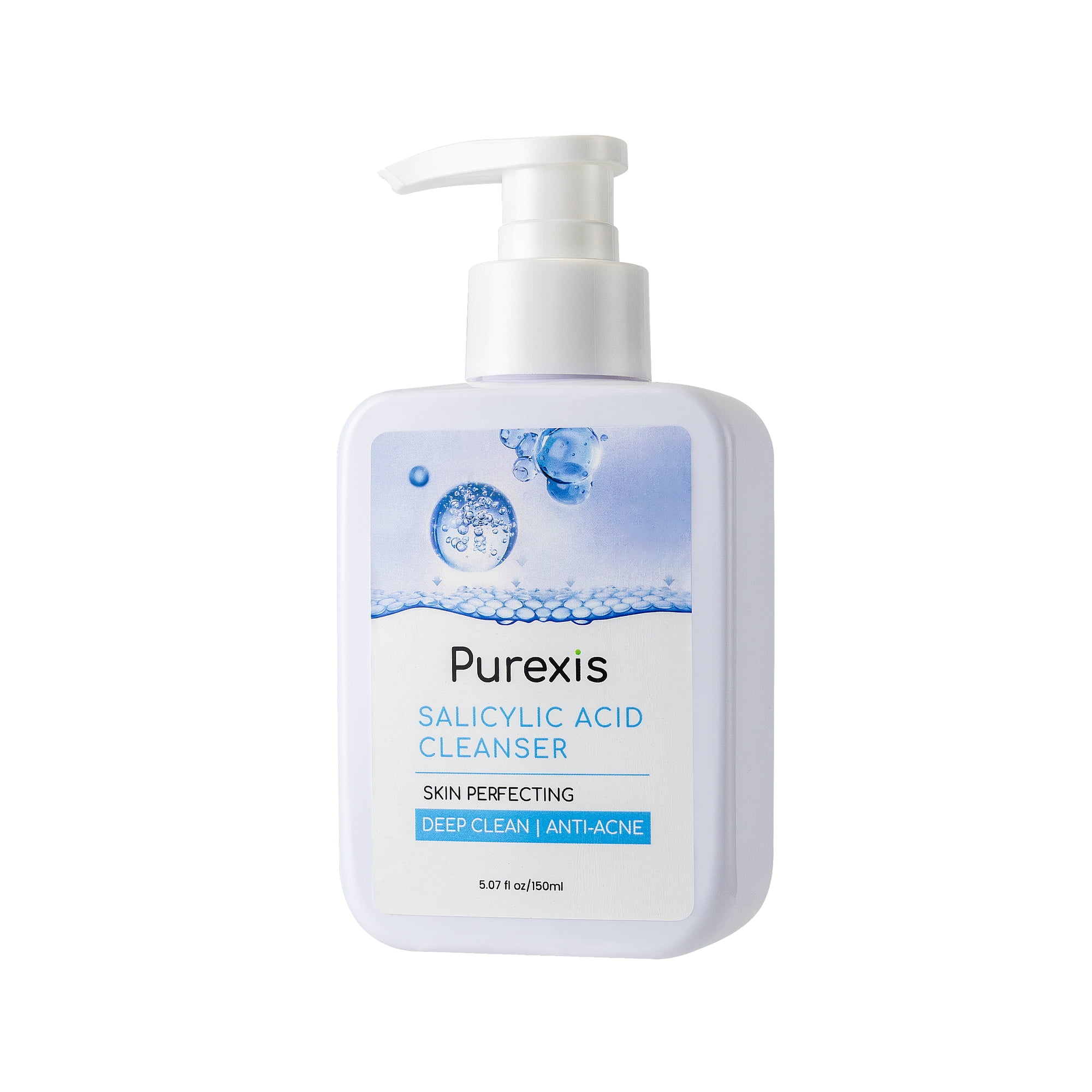
Salicylic Acid Concentrations
- 0.5–1%: Ideal for daily use on normal to oily skin.
- 2–4%: Typically found in over‑the‑counter cleansers and spot treatments; suitable for moderate to severe comedonal acne.
- 5–10%: Prescription‑strength; used for stubborn cystic acne under dermatological supervision.
Benzoyl Peroxide Concentrations
- 2.5%: Gentle, suitable for sensitive or dry skin.
- 5%: Common for moderate inflammatory acne.
- 10%: Reserved for severe inflammatory acne; often used in combination with other treatments.
4. Application Timing and Routine Integration
How you apply these ingredients can significantly impact their effectiveness and your comfort level.
Morning Routine
- Cleanse: Use a gentle foaming cleanser.
- Apply Salicylic Acid: If you have oily or blackhead‑prone skin, a 1% toner or serum works well.
- Moisturize: Use a lightweight, non‑comedogenic moisturizer.
- Sun Protection: SPF 30+ is essential; both ingredients increase photosensitivity.
Evening Routine
- Cleanse: Remove makeup and sunscreen.
- Apply Benzoyl Peroxide: Use a pea‑size amount on active lesions or a 2.5% gel for daily use.
- Moisturize: Opt for a richer, barrier‑supporting cream if you experience dryness.
Alternate Days or Dual Use
For those with combination skin, you can alternate between salicylic acid in the morning and benzoyl peroxide at night, or vice versa. If you opt for a dual routine, apply them 30 minutes apart to reduce the risk of over‑exfoliation.
5. Pairing with Additional Ingredients
Combining salicylic acid or benzoyl peroxide with complementary ingredients can enhance results.
- Niacinamide: Reduces redness and strengthens the skin barrier; ideal after BPO to soothe irritation.
- Retinoids: Accelerate cell turnover; use with caution on sensitive skin.
- Hyaluronic Acid: Adds hydration; essential when using BHA or BPO to counteract dryness.
- Azelaic Acid: Offers antibacterial and anti‑inflammatory benefits; can be used as a backup if BPO causes excessive irritation.
6. Common Myths Debunked
- Myth 1: Salicylic Acid is only for blackheads. While effective against comedones, it also reduces inflammation and can improve mild cystic acne.
- Myth 2: Benzoyl Peroxide is always harsh. At lower concentrations (2.5–5%), many users find it tolerable, especially with proper moisturization.
- Myth 3: You can use both ingredients at the same time for faster results. Over‑exposure can compromise the skin barrier, leading to flaking, redness, and paradoxical breakouts.
- Myth 4: High‑concentration BPO is better for everyone. It can cause severe dryness and is often unnecessary; start low and titrate as needed.
- Myth 5: Once you start, you can stop whenever you want. Abrupt cessation can trigger rebound inflammation; taper off gradually.
7. Case Studies and Real‑World Outcomes
Case 1: 18‑Year‑Old with Oily, Comedonal Acne
- Routine: 1% salicylic acid toner in the morning, 2.5% benzoyl peroxide gel at night.
- Outcome: Within 6 weeks, 80% reduction in blackheads and 60% reduction in inflammatory lesions.
- Notes: Moisturizer with ceramides prevented dryness.
Case 2: 24‑Year‑Old with Sensitive, Inflammatory Acne
- Routine: 0.5% salicylic acid cleanser in the morning, 2.5% benzoyl peroxide spot treatment at night.
- Outcome: 70% reduction in redness after 4 weeks.
- Notes: Added 1% niacinamide serum to soothe irritation.
8. Potential Side Effects and How to Mitigate Them
- Dryness & Peeling: Occurs with both ingredients; counteract with hyaluronic acid‑rich moisturizers.
- Redness & Burning: Common with benzoyl peroxide; start with 2.5% and increase gradually.
- Bleaching: BPO can bleach clothing and hair; apply to clean skin and avoid contact with fabrics.
- Photosensitivity: Both increase sun sensitivity; use broad‑spectrum SPF 30+ daily.
9. When to Seek Professional Guidance
Consider a dermatologist if:
- Acne persists despite 8–12 weeks of consistent use.
- You experience severe irritation or allergic reactions.
- You have deep cystic or nodular acne requiring prescription therapy.
- You wish to combine these ingredients with retinoids or oral medications.
10. Frequently Asked Questions (Expanded)
Q1: What is the main difference between salicylic acid and benzoyl peroxide?
Salicylic acid primarily exfoliates and unclogs pores, while benzoyl peroxide targets the bacteria that cause inflammation. Their mechanisms complement each other but are distinct.
Q2: Can I use them together on the same day?
Yes, but space them out by at least 30 minutes or use one in the morning and the other at night. Over‑exposure can irritate the skin.
Q3: Which is safer for sensitive skin?
Salicylic acid at low concentrations (0.5–1%) is generally gentler. Benzoyl peroxide should start at 2.5% and be used sparingly.
Q4: How long does it take to see noticeable results?
With consistent use, salicylic acid may show improvement in 4–6 weeks, while benzoyl peroxide can reduce inflammation within 2–4 weeks. Patience and adherence are key.
Q5: Are there long‑term risks associated with these ingredients?
When used as directed, both are safe. Overuse can lead to barrier disruption, dryness, and paradoxical breakouts. Balance with moisturizers and sunscreen to protect the skin.
For more detailed guides, visit our acne resources page.
For an authoritative overview, see the Wikipedia article on Benzoyl Peroxide.
Leave a Reply