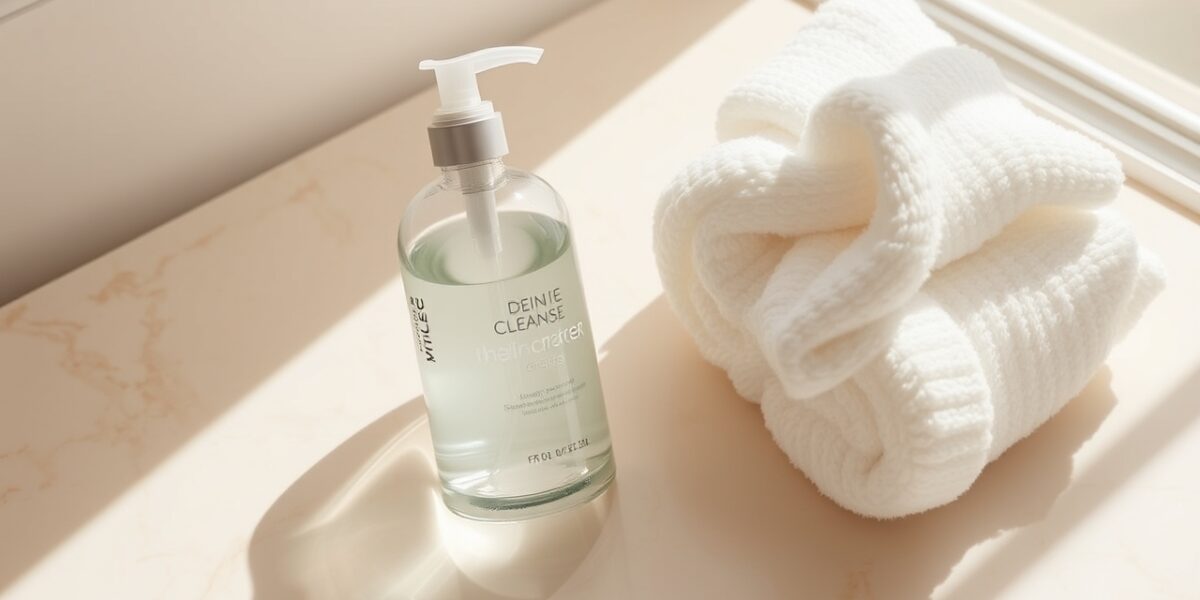
Learning how to use a salicylic acid cleanser correctly is the difference between waking up with a clear complexion and waking up with a compromised skin barrier. I have seen so many people rush into using Beta Hydroxy Acids (BHAs) because they want fast results for breakouts, only to find their skin peeling or feeling tight. The trick isn’t just in the product you buy, but in the technique and the timing of the application.
What Exactly is a Salicylic Acid Cleanser?
Before we get into the steps, we need to understand what is happening on a chemical level. Salicylic acid is a oil-soluble BHA. Unlike Alpha Hydroxy Acids (AHAs) which work on the surface of the skin, BHAs can penetrate through the sebum (oil) and go deep into the pores. This makes them incredibly effective for treating blackheads, whiteheads, and cystic acne.
When you use a cleanser formulated with this ingredient, you are essentially performing a “flash exfoliation.” Because the product is rinsed off, it is generally gentler than a leave-on toner or serum, making it an excellent entry point for those with sensitive skin who still struggle with congestion.


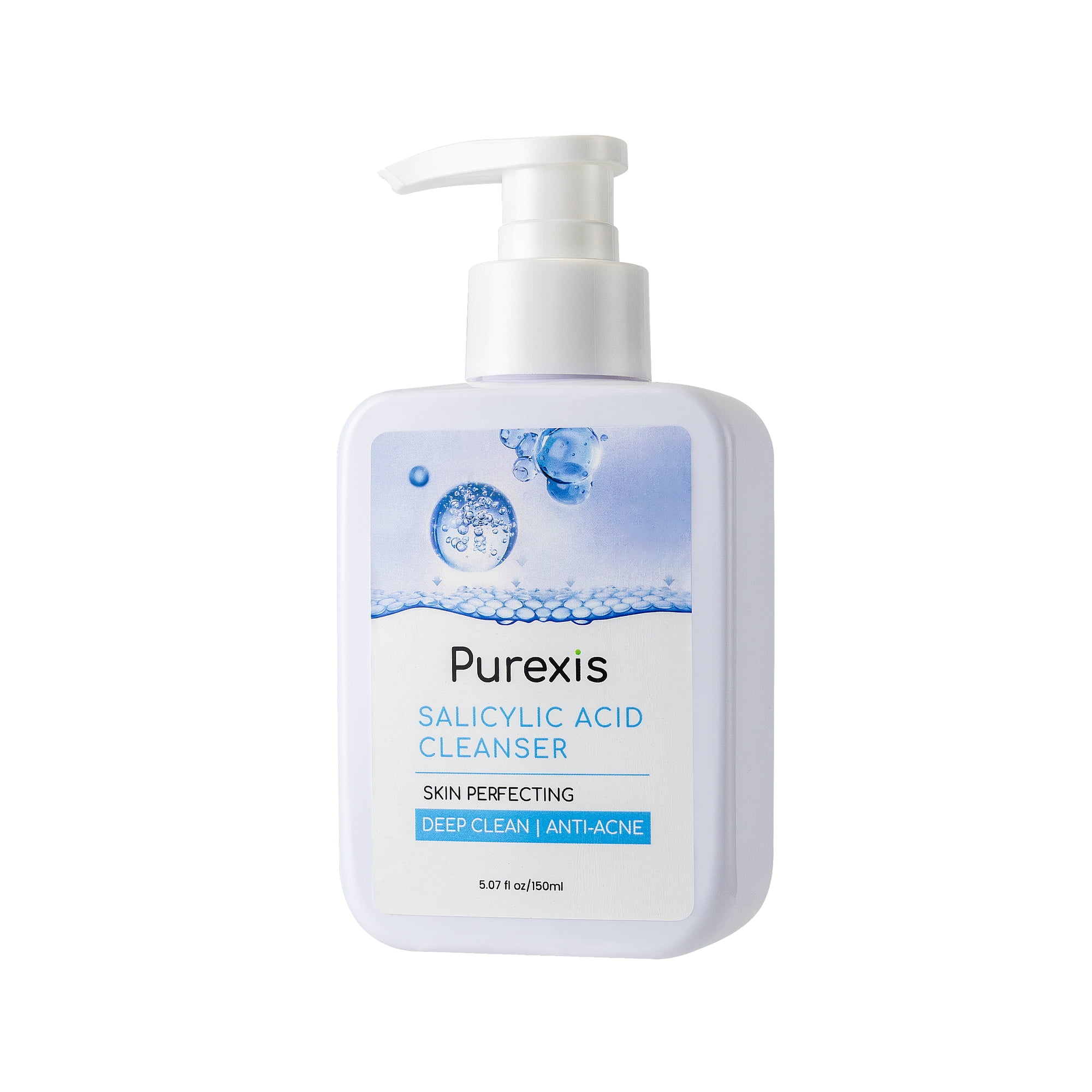
Step-by-Step: How to Use a Salicylic Acid Cleanser
To get the most out of your product without causing irritation, follow this specific sequence. Most people make the mistake of scrubbing too hard or rinsing too quickly, which prevents the acid from actually doing its job.
1. The Pre-Cleanse (Optional but Recommended)
If you are wearing heavy makeup or waterproof sunscreen, do not start with your BHA cleanser. Salicylic acid struggles to penetrate through thick layers of silicone or wax. I recommend using a micellar water or a lightweight cleansing oil first. This ensures the active ingredients in your cleanser can actually reach your pores rather than just sitting on top of your foundation.
2. Application Technique
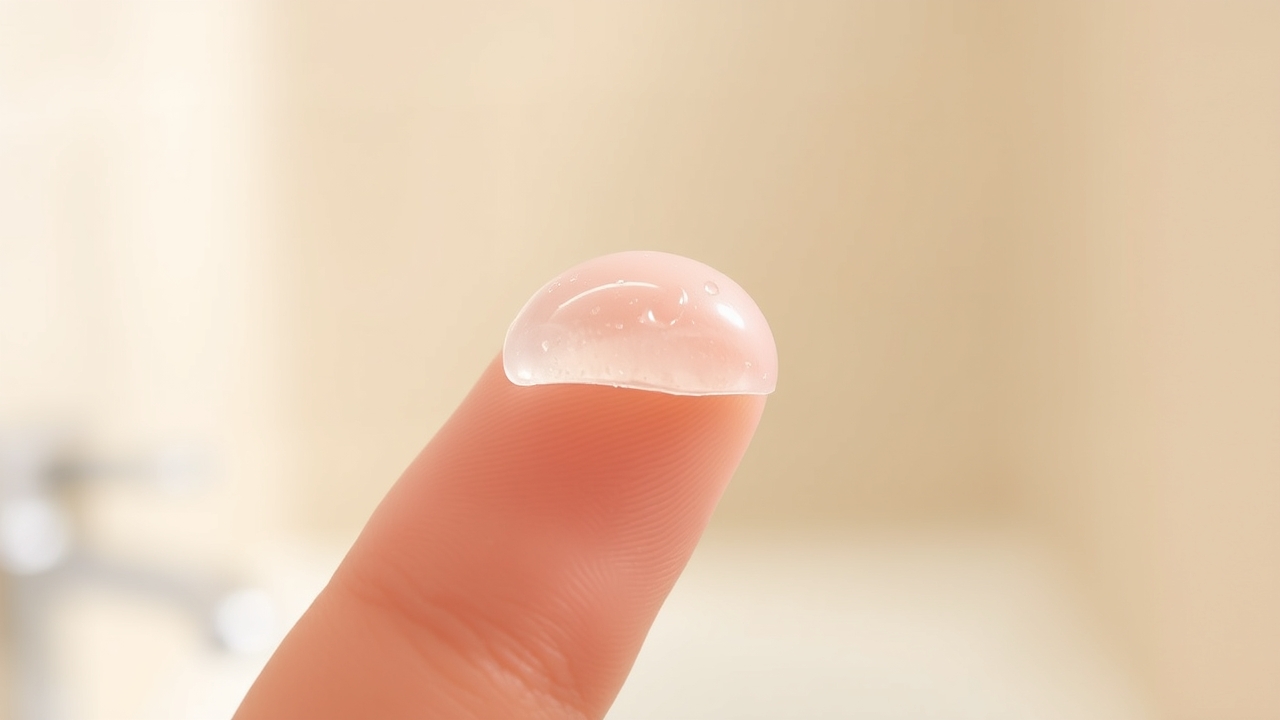
Wet your face with lukewarm water. Avoid hot water, as it can strip your natural oils and make the acid feel more irritating. Dispense a dime-sized amount of the cleanser into your palms and rub them together to create a light lather.
Massage the cleanser into your skin using gentle, circular motions. Focus specifically on your “T-zone”—the forehead, nose, and chin—where oil production is usually highest. Avoid the delicate skin directly around your eyes and the corners of your nostrils, as these areas are prone to cracking.
3. The 60-Second Rule
This is the most important part of how to use a salicylic acid cleanser. If you apply the soap and rinse it off immediately, the BHA doesn’t have time to penetrate the oil in your pores. I suggest massaging the cleanser for a full 60 seconds. This allows the acid to break down the debris and dissolve the “glue” holding dead skin cells together.
4. Rinsing and Drying
Rinse thoroughly with lukewarm water. Ensure no residue is left behind, especially around the hairline. Pat your skin dry with a clean, soft towel. Never rub your face dry, as the chemical exfoliation makes your skin slightly more vulnerable to physical friction.
Developing Your BHA Cleanser Routine
Integrating a chemical exfoliant requires a strategy. You cannot simply swap your gentle cleanser for a BHA one and expect perfection overnight. You need a structured skincare routine that balances exfoliation with hydration.
The Morning Routine
Many people ask about salicylic acid morning or night. In the morning, your goal is to protect your skin from the environment. If you have very oily skin, using a BHA cleanser in the morning can help control shine throughout the day. However, if you have dry or combination skin, a gentle cream cleanser in the morning is usually better.
- Cleanse (BHA or Gentle)
- Hydrating Toner or Serum
- Lightweight Moisturizer
- Broad-Spectrum SPF (Non-negotiable)
The Evening Routine
Nighttime is when the heavy lifting happens. Using your BHA cleanser in the evening removes the day’s pollutants and prepares the skin for repair. This is the ideal time for most people to use their active cleanser.
- Oil Cleanser/Micellar Water
- Salicylic Acid Cleanser
- Treatment (e.g., Niacinamide or Hyaluronic Acid)
- Night Cream or Barrier Balm
How Often Should You Use Salicylic Acid?
The question of how often salicylic acid should be used depends entirely on your skin’s tolerance. Over-exfoliation is a common issue that leads to a shiny, plastic-like appearance of the skin, increased redness, and breakouts (paradoxically caused by a broken barrier).
For Beginners
Start slow. Use the cleanser once every three days. This allows you to monitor for any adverse reactions. If your skin feels fine after two weeks, increase it to every other night.
For Oily/Acne-Prone Skin
Once your skin is acclimated, you may be able to use a BHA cleanser once daily. Some people with very resilient, oily skin use it twice a day, but I rarely recommend this unless directed by a professional, as it can trigger reactive seborrhea (where the skin produces more oil to compensate for dryness).
For Dry or Sensitive Skin
Limit use to 2-3 times per week. You might also consider “short contact therapy,” where you leave the cleanser on for only 30 seconds instead of 60 to minimize irritation.
Essential BHA Tips for Maximum Results
To ensure you aren’t sabotaging your progress, keep these bha tips in mind. Chemical exfoliation is a powerful tool, but it requires a supporting cast of other ingredients.
Avoid the “Active Overload”
One of the biggest mistakes I see is using a salicylic acid cleanser followed by a glycolic acid toner and then a retinol serum. This is a recipe for a chemical burn. If you are using a BHA cleanser, avoid using other strong acids in the same session. If you use retinol, I suggest using the BHA cleanser in the morning and retinol at night, or alternating nights entirely.
Prioritize Hydration
Salicylic acid can be drying. To counter this, look for ingredients that soothe and plump the skin. Hyaluronic acid, glycerin, and ceramides are excellent partners for BHAs. A healthy skin barrier is what allows the acid to work effectively without causing inflammation.
The Importance of Sun Protection
While BHAs are not as photosensitizing as AHAs (like glycolic acid), any form of exfoliation removes the top layer of dead skin cells, making your fresh skin more susceptible to UV damage. If you use a BHA cleanser, you must wear sunscreen daily. Failure to do so can lead to post-inflammatory hyperpigmentation (PIH), making your acne scars darker and harder to fade.
Troubleshooting Common Issues
Even if you follow the steps on how to use a salicylic acid cleanser, your skin might react in unexpected ways. Here is how to handle the most common scenarios.
The “Purging” Phase
You might notice a sudden increase in breakouts after the first week. This is often “purging.” Because salicylic acid speeds up cell turnover and clears out pores, it pushes existing clogs to the surface faster than they would have emerged on their own. Purging usually happens in areas where you normally break out and should resolve within 4-6 weeks. If you break out in new areas or experience itching and burning, that is a reaction, not a purge, and you should stop use immediately.
Excessive Dryness or Flaking
If you notice skin peeling around the nose or mouth, you are likely over-using the product. Switch back to a gentle cleanser for a few days and focus on barrier repair. Once the flaking stops, reintroduce the BHA cleanser less frequently.
Lack of Results
If you’ve used the cleanser for two months and see no change, you may need a leave-on product. Cleansers are the weakest form of delivery because they are rinsed away. For stubborn congestion, a BHA liquid exfoliant applied after cleansing may be necessary. You can learn more about the chemistry of these acids on Wikipedia.
Comparing Salicylic Acid to Other Exfoliants
It helps to know why you are choosing a BHA over an AHA or a physical scrub. Physical scrubs can create micro-tears in the skin, especially if you have active cystic acne, which can spread bacteria. Chemical exfoliants are more uniform and controlled.
AHAs (like Lactic or Glycolic acid) are water-soluble. They are great for surface texture and brightening but cannot get inside the pore. This is why the BHA cleanser is the gold standard for acne; it treats the root cause (the plug of oil and skin) rather than just the surface symptom.
Summary Checklist for Success
- Double Cleanse: Remove makeup first.
- Wait Time: Massage for 60 seconds.
- Frequency: Start 2-3 times a week; build up slowly.
- Balance: Use a rich moisturizer and a high-SPF sunscreen.
- Patience: Give your skin 6 weeks to purge and stabilize.
Frequently Asked Questions
How to use a salicylic acid cleanser for the first time?
For your first time, perform a patch test on your jawline to ensure you don’t have an allergic reaction. When you are ready for a full application, use it once every three days at night. Massage it gently into the skin for 60 seconds and follow up with a basic, fragrance-free moisturizer to prevent dryness.
Can I use a BHA cleanser every day?
Yes, provided your skin can tolerate it. Oily skin types often thrive with daily use, while those with combination or dry skin may find that every other day is the sweet spot. If your skin feels tight, itchy, or looks overly shiny, reduce the frequency immediately.
Is it better to use salicylic acid in the morning or at night?
It can be used both, but night is generally preferred. This is because the skin undergoes its most intense repair process while you sleep, and you can follow the exfoliation with heavier hydrating creams that might be too greasy for daytime wear.
Can I use a BHA cleanser with Vitamin C?
It is generally best to separate them. Vitamin C (L-ascorbic acid) is highly acidic. Using it alongside a BHA cleanser can be too aggressive for the skin barrier. I recommend using Vitamin C in the morning for its antioxidant benefits and your BHA cleanser in the evening.
Will a salicylic acid cleanser dry out my skin?
It may, as it removes excess oil. However, this is why the post-cleansing step is so critical. By using a hydrating serum and a good moisturizer, you can enjoy the pore-clearing benefits of salicylic acid without the unwanted dryness.
Leave a Reply