When the pharmacy aisle feels more like a chemical lab than a storefront, it’s easy to get lost in the jargon. One shelf is lined with foamy cleansers, another with creamy spot treatments, each promising to banish breakouts. The question that often pops up is salicylic acid vs benzoyl peroxide—which one should you pick to tackle your skin’s woes? The answer isn’t a one‑size‑fits‑all; it depends on the type of acne, your skin’s temperament, and how you layer the actives.
What Are These Ingredients, Really?
Before you can decide, it helps to understand the mechanics behind each ingredient. Think of them as two different tools in a dermatologist’s kit: one exfoliates, the other disinfects.
Salicylic Acid: The Oil‑Soluble Exfoliant
Salicylic acid is a beta‑hydroxy acid (BHA) that dissolves in oil rather than water. This trait lets it slip deep into clogged pores, softening the keratin “glue” that traps dead skin cells and excess sebum. Once inside, it loosens the debris, allowing it to be shed naturally. The result is a clearer pore lining and a reduction in blackheads and whiteheads.


Benzoyl Peroxide: The Oxygenating Antimicrobial
Benzoyl peroxide is an organic peroxide that releases oxygen when it contacts the skin. Cutibacterium acnes, the bacteria that thrive in low‑oxygen, oil‑rich environments, are killed by the oxygen burst. By eliminating the bacterial culprit, benzoyl peroxide tackles inflammation, redness, and the pus‑filled cysts that often accompany breakouts.
Key Differences at a Glance
- Primary Action: Salicylic acid clears pores; benzoyl peroxide kills bacteria.
- Acne Focus: BHA excels at non‑inflammatory acne (blackheads, whiteheads); peroxide shines on inflammatory lesions (red bumps, pustules).
- Skin Feel: BHA feels like a gentle scrub; peroxide can be drying and may leave a white film.
- Bleaching: BHA is safe on fabrics; peroxide is notorious for bleaching towels and pillowcases.
Choosing the Right Ingredient for Your Breakouts
The decision hinges on what your skin is currently fighting. Here’s a practical breakdown:
When Salicylic Acid Wins
- Congestion dominates: Persistent blackheads on the nose, stubborn whiteheads on the chin, or a dull, oil‑laden complexion.
- Oily or combination skin: The oil‑soluble nature of BHA makes it a natural ally for sebum‑rich areas.
- Prevention: If you’re prone to breakouts but want to keep pores clear, a BHA cleanser or toner can reduce common triggers.
When Benzoyl Peroxide Is the Better Choice
- Red, painful inflammation: Pustules, cysts, or acne that feels like a throbbing sore.
- Active infection: When the skin’s bacteria are in overdrive, peroxide’s antimicrobial action is essential.
- Spot treatment: A 2.5% benzoyl peroxide spot can be applied directly to a single blemish for rapid relief.
How Skin Type Shapes Your Routine
Every skin type interacts differently with actives. Below are tailored strategies:
Oily & Acne‑Prone
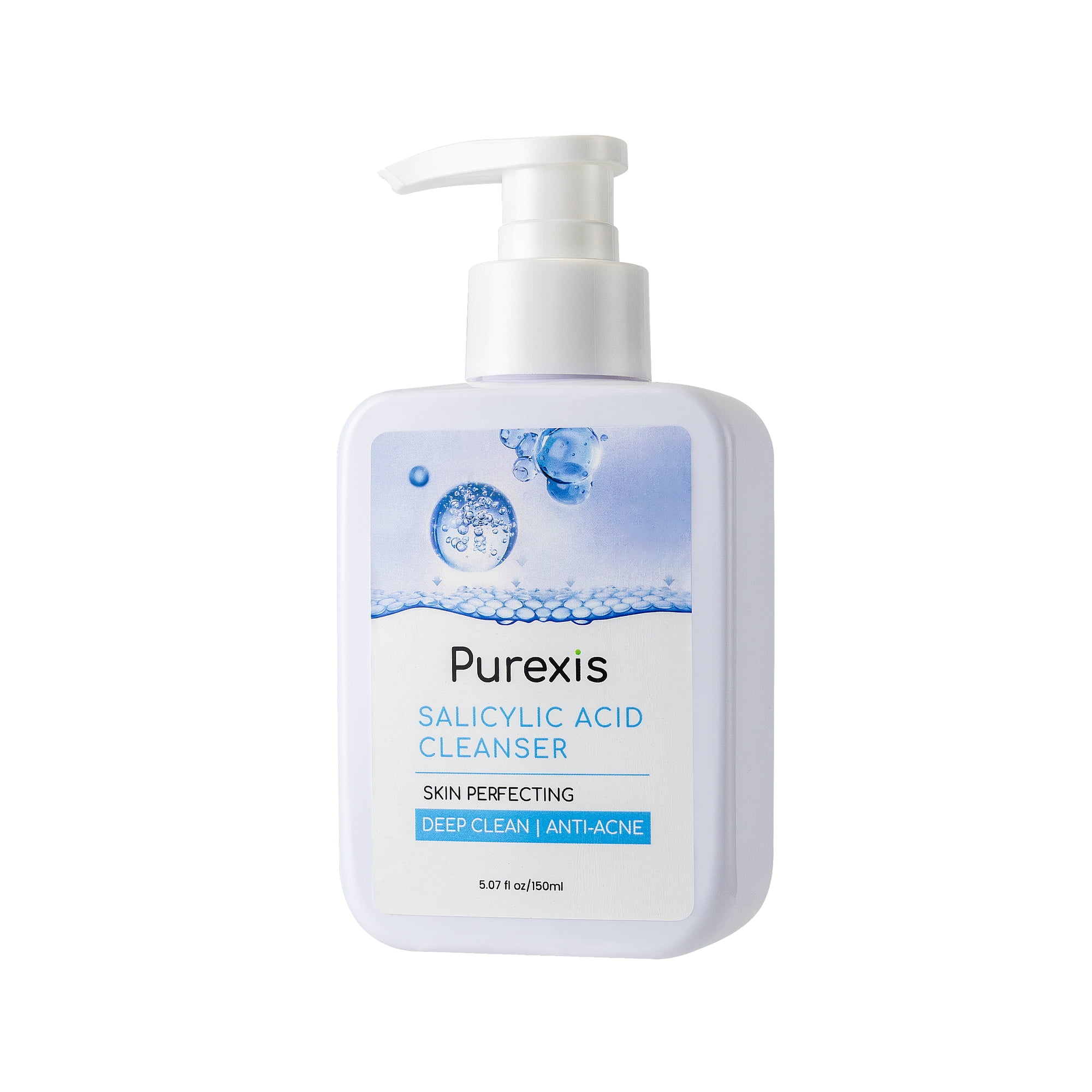
These skin types generally tolerate both actives, but BHA is often the first line of defense. A 2% salicylic acid cleanser (e.g., Paula’s Choice 2% BHA Liquid Exfoliant) applied twice a week can reduce sebum production without over‑exfoliating. If inflammatory flare‑ups occur, a 2.5% benzoyl peroxide spot (e.g., The Ordinary 2.5% Benzoyl Peroxide) can be cycled on affected areas.
Dry & Sensitive
Dry skin can feel the sting of both actives. Start with a low‑strength BHA wash (0.5% or 1%) and monitor tolerance. For peroxide, a wash‑off formulation (e.g., Clean & Clear Persa‑Clear 10% Benzoyl Peroxide Wash) is gentler than a leave‑on cream. Pair actives with a soothing moisturizer containing ceramides or hyaluronic acid to lock in hydration.
Combination
Map your skin: use BHA on the T‑zone to keep pores clear, and a lightweight moisturizer on the cheeks. If a cyst appears on the jawline, a single benzoyl peroxide spot can target the inflammation without drying the rest of the face.
How to Use These Ingredients Safely
Both salicylic acid and benzoyl peroxide are potent. Over‑use can strip the barrier and trigger rebound acne. Follow the “low and slow” rule:
Start Low, Increase Gradually
- Begin with 0.5% BHA or 2.5% peroxide.
- Apply every other night for 2–3 weeks.
- Watch for peeling, stinging, or extreme redness; if any occur, reduce frequency.
Hydration Is Your Ally
After peeling or drying, a non‑comedogenic moisturizer with ceramides, niacinamide, or glycerin can restore the barrier. If you notice increased oil production after using BHA, the skin’s compensatory response, the moisturizer will keep it in check.
Sun Protection Is Non‑Negotiable
Both actives can make the skin more photosensitive. Apply a broad‑spectrum SPF 30 or higher every morning, even on cloudy days. Reapply every 2 hours if you’re outdoors. For a deeper dive into sunscreen science, the Wikipedia page on sunscreen offers a comprehensive overview.
Can You Use Both? Layering Tips
Dermatologists often recommend a dual‑active approach, but timing is everything. Directly layering BHA and peroxide can cause a chemical burn.
Alternating Days
- Monday: 2% salicylic acid cleanser.
- Tuesday: 2.5% benzoyl peroxide spot.
- Wednesday: Hydration only.
- Thursday: Repeat cycle.
Morning/Night Split
- Morning: BHA cleanser to prep the skin.
- Night: Benzoyl peroxide spot to target overnight bacteria.
- Avoid combining with retinol or AHAs on the same night to prevent irritation.
Common Pitfalls and How to Avoid Them
Over‑Cleansing
Using a BHA wash followed by a peroxide cream can overload the skin. If you choose a BHA cleanser, keep your leave‑on products soothing—think aloe or niacinamide‑rich serums.
The Purge Myth
When you start a BHA, you might notice a temporary flare—this is the “purge.” The exfoliant is pushing trapped cells to the surface. It’s a sign of progress, not a warning. Peroxide, on the other hand, typically causes dryness but not a purge.
Higher Isn’t Always Better
Many people assume a 10% benzoyl peroxide cream will work faster. Studies show that 2.5% is often just as effective while sparing the skin from excess irritation. The same logic applies to BHA: a 2% solution is usually sufficient for most users.
Historical Snapshot
Salicylic acid was first isolated from willow bark in the 19th century and has been a staple in acne therapy ever since. Benzoyl peroxide, discovered in 1900, entered dermatology in the 1930s as a powerful antibacterial agent. Their parallel histories underscore how science has evolved from simple plant extracts to sophisticated oxygen‑based antimicrobials.
When to Seek Professional Help
If you’re using actives for more than 8–12 weeks without noticeable improvement, or if you experience severe irritation, contact a dermatologist. They can prescribe stronger formulations or suggest alternative treatments like topical retinoids, oral antibiotics, or hormonal therapy.
Quick Comparison Table
- Salicylic Acid: Best for blackheads, whiteheads, oily skin, and preventing future clogs. Works via exfoliation.
- Benzoyl Peroxide: Best for red pimples, pustules, cystic acne, and killing bacteria. Works via oxygenation.
Final Takeaway
Choosing between salicylic acid vs benzoyl peroxide isn’t about finding a single champion; it’s about matching the right tool to the right problem. If your skin feels congested and oily, lean toward BHA. If you’re battling inflamed, pus‑filled lesions, peroxide is your ally. And if you’re comfortable, a staggered routine that employs both can give you the best of both worlds—clean pores and a bacteria‑free environment.
Remember: consistency beats intensity. Start slow, monitor how your skin reacts, and adjust as needed. With the right approach, both salicylic acid and benzoyl peroxide can help you achieve clearer, healthier skin.
Frequently Asked Questions
Which is better: salicylic acid vs benzoyl peroxide for cystic acne?
For deep, painful cystic acne, benzoyl peroxide is generally more effective because it targets the bacteria and inflammation inside the cyst. Salicylic acid can serve as a preventative measure to stop pores from clogging in the first place, potentially reducing cyst frequency over time.
Can I use salicylic acid and benzoyl peroxide in the same routine?
Yes, but avoid applying them directly on top of each other. Alternate by day or by time of day—BHA in the morning, peroxide at night—to protect the barrier and reduce irritation.
Does salicylic acid bleach clothes?
No, salicylic acid does not bleach fabrics. Benzoyl peroxide does, so use white towels and pillowcases when you’re applying peroxide products.
How long does it take to see results with these ingredients?
Benzoyl peroxide often shows improvement in redness within a few days, while salicylic acid may take 4–6 weeks of consistent use to noticeably reduce blackheads and congestion.
Can I use these ingredients if I have sensitive skin?
Yes, but choose lower concentrations and wash‑off formulations. For example, a 0.5% BHA cleanser or a 2.5% benzoyl peroxide spot can be gentler on sensitive skin.
Leave a Reply