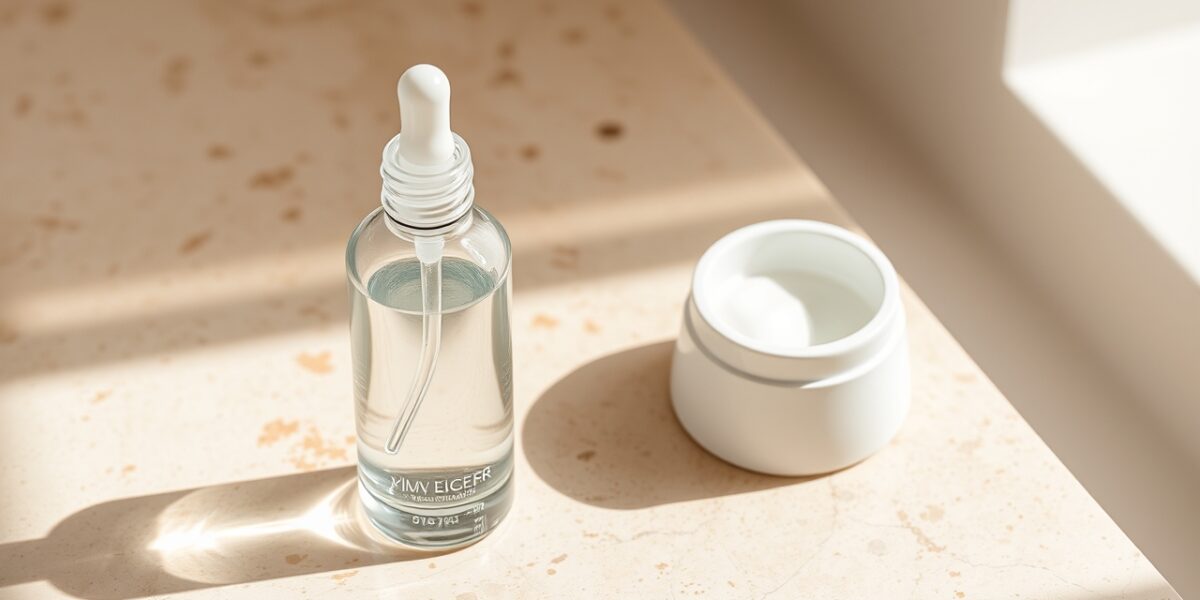
Retinol is the gold‑standard for smoothing fine lines and evening skin tone, yet it’s often the culprit behind the dreaded “retinol burn.” For those of us with sensitive skin, the promise of anti‑aging benefits can feel like a distant dream. The key isn’t to abandon retinoids entirely; it’s to re‑engineer the way we introduce them into our routine.
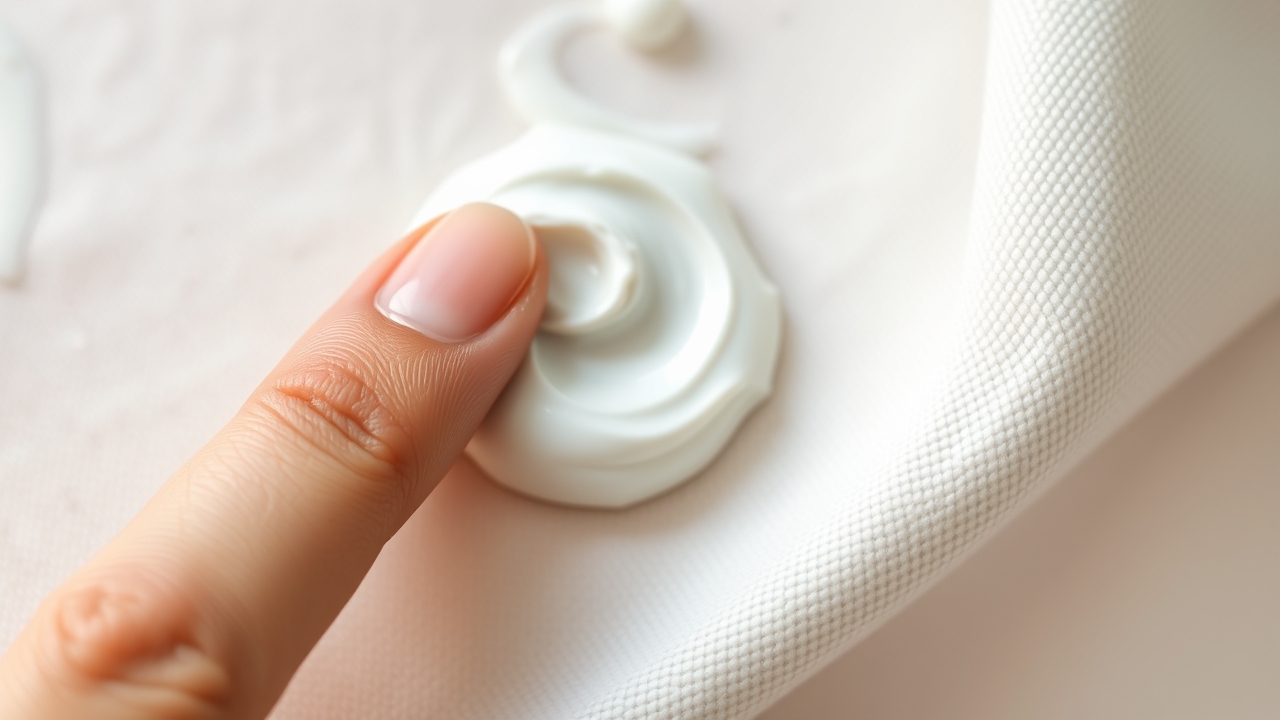
Understanding the Retinoid Family
Vitamin A derivatives come in a spectrum of potency. At the top of the ladder sits tretinoin (retinoic acid), a prescription powerhouse that works immediately. Below that are over‑the‑counter forms such as retinol, retinaldehyde, and the milder esters retinyl palmitate and retinyl acetate. The difference lies in how many steps the skin must perform to convert the molecule into the active form that stimulates collagen.
Retinol, for example, must first become retinaldehyde, then retinoic acid. Each conversion step acts as a natural buffer, reducing the intensity of the reaction and making it friendlier to compromised barriers.


Retinyl Palmitate and Retinyl Acetate
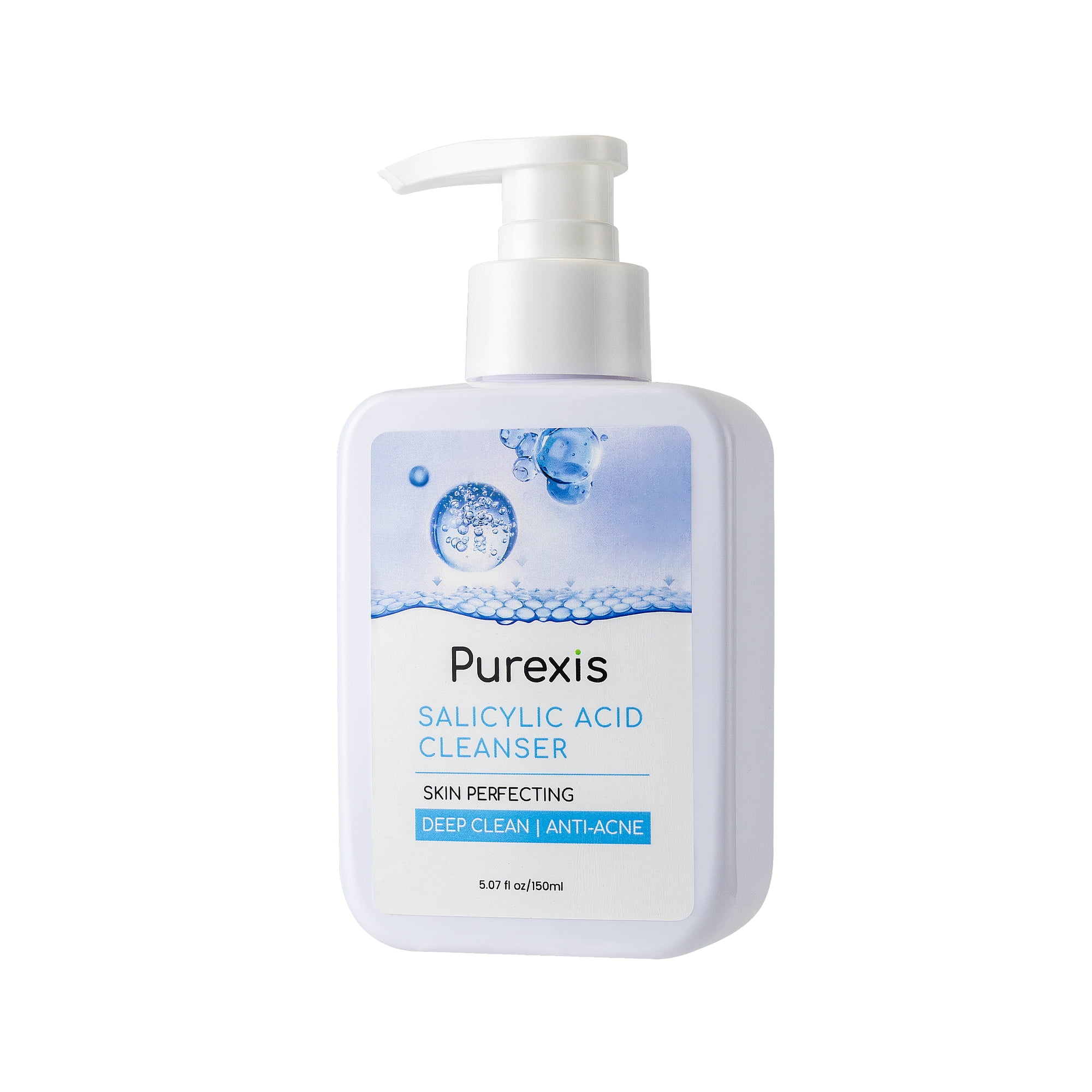
For skin that flares at the slightest touch, starting with a retinyl ester can be a lifesaver. These esters are so gentle that you might not notice any change for a few months, but they dramatically lower the risk of irritation. Think of them as a “soft‑landing” version of retinol.
Retinaldehyde (Retinal)
Retinal is one step closer to retinoic acid than retinol, yet it often feels less aggressive because it’s usually blended into soothing, antioxidant‑rich bases. It’s a solid middle ground for those who’ve tried standard retinol without success but aren’t ready for prescription strength.
The Golden Rules of Retinol Without Irritation
Applying a retinoid is not the same as slathering on a moisturizer. The skin reacts to the active’s chemical structure, not to the product’s texture. To keep irritation at bay, treat the introduction as a gradual acclimation rather than a one‑off experiment.
The “Low and Slow” Approach
Begin with the lowest concentration you can find—0.1% or 0.25%. These levels are powerful enough to trigger cellular turnover but gentle enough to avoid a full‑blown reaction. A practical rollout looks like this:
- Weeks 1–2: Apply once a week on a clean, dry face.
- Weeks 3–4: Increase to twice a week, spacing the nights by at least 48 hours.
- Weeks 5–6: If no redness or stinging occurs, move to every other night.
Pay close attention to the skin’s language. Tightness, a sting when you touch a moisturizer, or a dull, shiny sheen are red flags that the barrier is under duress. Pause the retinoid and give the skin a break.
The Sandwich Method
This technique is a game‑changer for reactive complexions. Instead of laying the active on bare skin, you create a protective layer on both sides:
- Apply a thin, fragrance‑free moisturizer to the entire face.
- Drop a pea‑sized amount of retinol in the center of the cheeks.
- Finish with another light layer of the same moisturizer.
The outer moisturizer slows the diffusion of the active, allowing the skin to process it more gently while still delivering the collagen‑boosting benefits.
Building a Sensitive Anti‑Aging Routine
Retinoids work best when the rest of your routine supports the barrier. Avoid combining retinol with exfoliating acids on the same night; the double‑whammy can lead to a chemical burn.
Morning Routine: Protection
Retinoids heighten photosensitivity, so a robust sun defense is non‑negotiable. A simple, effective morning looks like this:
- Gentle, non‑foaming cleanser.
- Hydrating serum—think hyaluronic acid or a calming niacinamide blend.
- Broad‑spectrum SPF 30+—the shield against UV‑induced irritation.
Evening Routine: Recovery
Nighttime is when the skin repairs itself. A restorative cream rich in ceramides, fatty acids, and soothing botanical extracts can seal the gaps that retinol may temporarily open. For deeper insight into barrier care, visit Healthy Skin World.
Common Pitfalls to Avoid
Many users abandon retinoids after a flare, mistaking a normal adjustment for a permanent mismatch. Distinguishing between a purge and a true reaction is crucial.
The Purge vs. The Breakout
A purge is a short‑term acceleration of cell turnover that pushes existing congestion to the surface. It often shows as tiny whiteheads in typical breakout zones and usually resolves within 4–6 weeks. A true reaction, however, presents as widespread redness, itching, or bumps in areas that were previously clear. This indicates that the concentration or frequency is too aggressive.
Over‑Cleansing
When peeling begins, the instinct is to scrub away the flaking. Resist the urge. Gentle cleansing with a soft washcloth or a mild, sulfate‑free cleanser, followed by generous moisturizing, allows the skin to shed naturally without stripping essential lipids.
Alternative Ingredients for the Ultra‑Sensitive
If even the lowest‑strength retinol feels like a gamble, there are botanical and peptide alternatives that deliver comparable anti‑aging benefits with a kinder profile.
Bakuchiol
Often dubbed “the natural retinol,” bakuchiol is a plant‑derived compound that activates similar signaling pathways as retinoids. It improves elasticity, reduces hyperpigmentation, and—most importantly—does not trigger photosensitivity, making it safe for daytime use.
Peptides
Short chains of amino acids act as messengers, signaling fibroblasts to ramp up collagen production. Peptides are virtually non‑irritating and pair well with a gentle retinoid once the skin has acclimated. Look for peptides like palmitoyl pentapeptide‑4 or matrixyl for maximum impact.
Step‑by‑Step Guide to Your First Month
Below is a practical calendar for someone just starting with a mild, OTC retinol. Adjust the schedule based on how your skin responds.
Week 1: The Introduction
– Day 1 (Monday): Cleanse, moisturize, SPF (day). Night: Cleanse, moisturize.
– Day 3 (Wednesday): Same as Day 1, plus a pea‑sized retinol applied via the sandwich method at night.
– Rest of the week: No actives; focus on barrier support.
Week 2: Observation
– Mirror the pattern from Week 1. If no redness or stinging, proceed to Week 3.
Week 3: Increasing Frequency
– Tuesday: Retinol night.
– Friday: Retinol night.
– Other nights: Hydration and barrier repair only.
Week 4: The Stability Phase
– Monday, Thursday, Saturday: Retinol nights.
– Monitor for delayed irritation (often appears 48 hours post‑application).
Advanced Tips for Long‑Term Success
Once the skin is comfortable, the focus shifts from survival to optimization. Below are strategies to keep the benefits while preserving barrier integrity.
The “Skin Cycling” Method
A four‑night cycle can keep the skin from over‑exertion:
- Night 1: Mild exfoliation (e.g., 5‑% PHA or 3‑% lactic acid).
- Night 2: Retinoid.
- Night 3: Hydration only.
- Night 4: Hydration only.
Two nights of pure recovery after each active give the barrier time to rebuild.
Adjusting for Seasons
Weather changes the skin’s needs. In humid summers, a three‑night‑a‑week schedule is often tolerable. In dry, cold winters, drop the frequency to once a week and consider adding a richer occlusive balm at night.
Summary of the Gentle Approach
Retinol doesn’t have to be a battle. By starting low, using the sandwich method, and reinforcing the barrier with ceramides and humectants, you can unlock anti‑aging benefits without the usual redness or peeling. Think of it as a marathon: the slower, steadier pace at the beginning leads to more consistent, lasting results.
Frequently Asked Questions
How do I know if a retinol for sensitive skin is working?
Retinoids are subtle in the short term. You’ll notice a subtle lift in texture after 4–6 weeks, and deeper improvements in fine lines and hyperpigmentation after 3–6 months. The absence of irritation is itself a sign that the product is working harmoniously with your skin.
Can I use a gentle retinol every night?
Even a mild formula can accumulate on a sensitive barrier. A frequency of 2–4 nights per week balances anti‑aging benefits with barrier health. If you feel any tightness or stinging, step back.
What should I do if my skin starts peeling?
Pause all actives. Switch to a fragrance‑free, bland moisturizer and a gentle cleanser. Avoid scrubs and acids. Once the peeling subsides and the skin no longer reacts to a simple moisturizer, reintroduce the retinoid at a lower frequency or with a thicker buffer layer.
Is it safe to use retinol for sensitive skin during pregnancy?
Both prescription and OTC retinoids are generally discouraged during pregnancy and breastfeeding. Opt for safer alternatives like bakuchiol or a vitamin C serum, and always consult a healthcare provider before making changes.
Does the order of products matter for sensitive skin?
Yes. For reactive complexions, start with a moisturizer (the sandwich method) before applying the retinoid. This creates a barrier that slows absorption and reduces inflammation. In a standard routine, actives come first, but for sensitive skin the reverse order is often more effective.
Leave a Reply