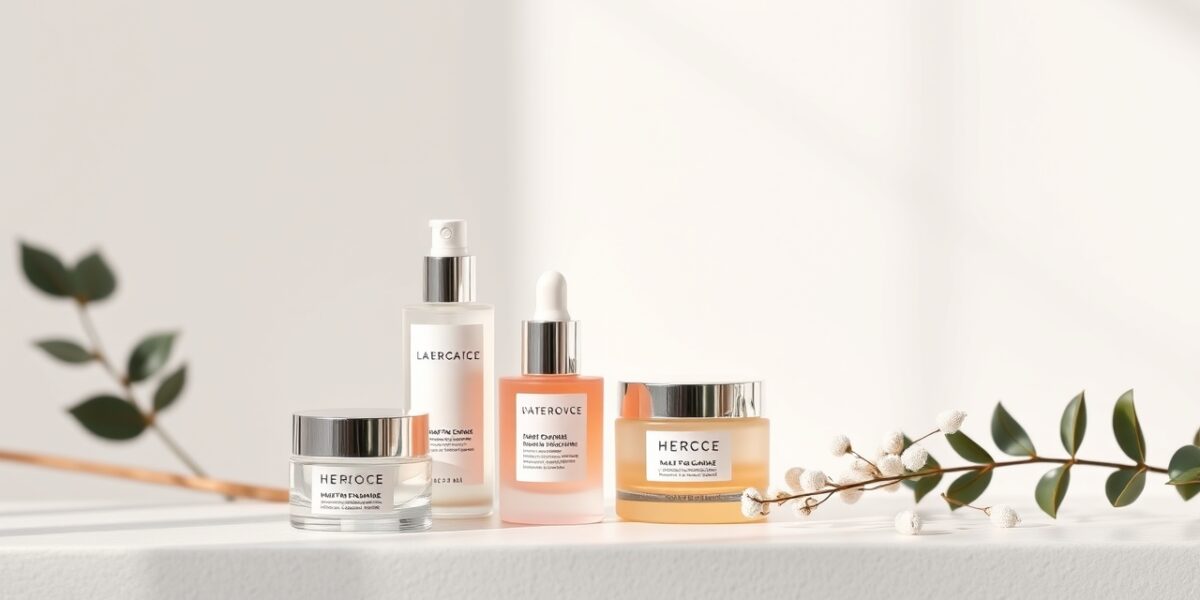
best night cream for anti aging is the secret weapon in your nightly routine. While daylight brings environmental stressors and UV exposure, the skin’s repair processes are most active during the night. A thoughtfully chosen night cream can support barrier restoration, collagen synthesis, and hydration, all of which may help reduce the visible signs of aging.
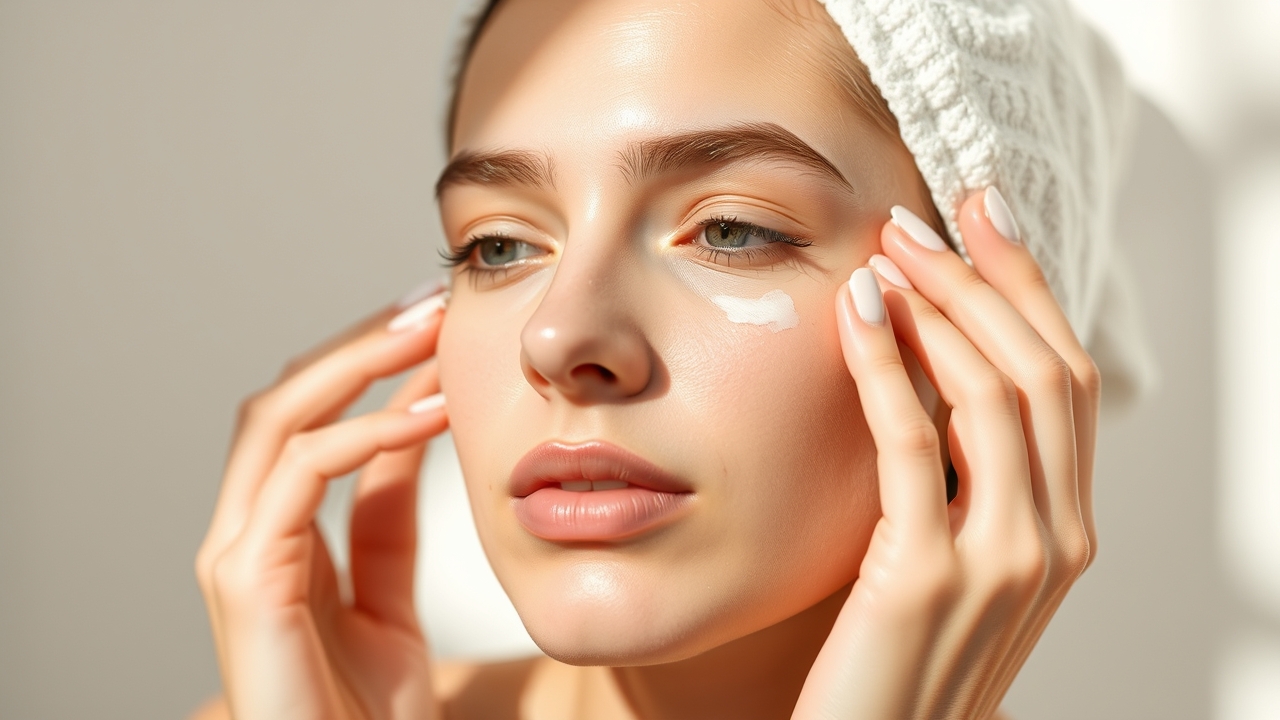
best night cream for anti aging
When searching for the best night cream for anti aging, it helps to understand what your skin actually needs. Age‑related changes—such as loss of elasticity, fine lines, and uneven tone—are largely driven by decreased cellular turnover, diminished collagen production, and reduced moisture retention. A top‑tier night cream can address each of these factors in a balanced way.
Key Features to Expect
- Rich emollients that replenish lipids and strengthen the skin barrier.
- Targeted actives that support collagen and elastin synthesis.
- Hydration boosters that lock moisture in for up to 24 hours.
- Minimal irritants to avoid disrupting the natural repair cycle.
Ingredients That May Help
While every formulation is unique, certain ingredients are consistently associated with anti aging benefits. Below is a guide to the most effective components you’ll find in the best night cream for anti aging.


Peptides
Short chains of amino acids that serve as signaling molecules for skin cells. Peptides can encourage fibroblasts to produce collagen, potentially improving firmness and reducing fine lines.
Hyaluronic Acid
Known for its extraordinary water‑binding capacity, hyaluronic acid can hold up to 1,000 times its weight in moisture. By maintaining hydration, it makes skin appear plumper and less prone to creasing.
Ceramides
Essential lipids that help rebuild the skin’s protective barrier. A weakened barrier can lead to dryness and increased sensitivity, which in turn can amplify the appearance of aging.
Niacinamide
Also called vitamin B3, niacinamide can improve skin tone, reduce redness, and support barrier function. Its antioxidant properties may also help neutralize free radicals that accelerate aging.
Retinol (Vitamin A)
Retinol is a well‑studied retinoid that promotes cell turnover and stimulates collagen production. Because of its potency, it’s often recommended for nighttime use. For more information about retinol, you can visit the Retinol page on Wikipedia.
Antioxidants (Vitamin C, E, Ferulic Acid)
These compounds help neutralize free radicals generated by UV exposure and pollution. While antioxidants are more commonly found in daytime products, a few stable forms can also benefit nighttime formulations.
How to Apply for Maximum Benefit
Even the best night cream for anti aging will fall short if it’s not applied correctly. Follow these steps to ensure optimal absorption and effectiveness.
1. Cleanse Thoroughly
A clean canvas allows active ingredients to penetrate more deeply. Use a gentle cleanser that removes makeup, sunscreen, and impurities without stripping natural oils.
2. Tone (Optional)
Applying a toner can help balance pH and prep the skin. Choose alcohol‑free options to avoid the skin barrier.
3. Apply the Cream in a L‑shaped Pattern
Lightly dabble a thin layer of the best night cream for anti aging across the entire face, neck, and décolleté area. The L‑shape pattern encourages even coverage without over‑applying.
4. Gently Massage the Cream into the Skin
Use upward strokes to enhance circulation and help the product’s active ingredients reach deeper layers of the epidermis.
5. Patience with a Light Night Routine
Nighttime is the skin’s prime repair hour. Keeping your routine simple—cleanse, tone, and apply—helps avoid irritation.
Lifestyle Factors That Support the Effectiveness of a Night Cream
Top‑tier night creams work best when coupled with healthy habits. Here are a few lifestyle tweaks that can amplify anti aging results.
- Sleep Position: Sleeping on your back reduces gravitational stress on the face, potentially minimizing wrinkle formation.
- Hydration: Drinking adequate water supports cellular function and skin elasticity.
- Nutrition: Diets rich in omega‑3 fatty acids, antioxidants, and protein provide building blocks for skin repair.
- Stress Management: Chronic stress can elevate cortisol, a hormone that may accelerate aging.
Common Myths About Night Creams Debunked
There are many misconceptions about nighttime skincare. Let’s clear up a few.
- “More is better.” Over‑applying a night cream can lead to clogged pores or a greasy feel, which can actually impair barrier function.
- “You need a separate retinol product.” Many high‑quality night creams already include retinol in a stable form, eliminating the need for a separate step.
- “A ‘night cream’ is the same as any moisturizer.” While all moisturizers hydrate, night creams are specifically formulated to support overnight repair processes.
Choosing the Right Formula for Your Skin Type
Not every night cream suits every complexion. Here’s how to match ingredients with your skin’s needs.
Dry or Dehydrated Skin
Look for high concentrations of humectants like hyaluronic acid and occlusives such as squalane or shea butter. Ceramide‑rich bases help rebuild the barrier and lock in moisture.
Oily or Acne‑Prone Skin
Opt for lightweight, non‑comedogenic formulations. Ingredients like niacinamide and peptides can soothe inflammation while still delivering anti‑aging benefits.
Combination Skin
Use a dual‑phase approach: a richer cream on dry zones and a lighter gel on oily areas. Some brands offer “two‑in‑one” products that balance texture across the face.
Sensitive Skin
Avoid fragrances, essential oils, and high concentrations of retinol. Choose products with soothing agents such as centella asiatica, aloe vera, and panthenol.
Step‑by‑Step Nighttime Routine with the Best Night Cream
Below is a practical routine that integrates the best night cream with other proven actives.
- Remove Makeup: Use an oil‑based remover or micellar water to dissolve sunscreen and cosmetics.
- Cleanse: A gentle foaming or cream cleanser cleanses without stripping.
- Apply a Serum (Optional): If you’re targeting specific concerns, apply a lightweight serum (e.g., vitamin C or niacinamide) before the cream.
- Night Cream: Apply the night cream as described earlier.
- Eye Cream: Use a separate, eye‑specific product to avoid Dupuytren’s or irritation.
- Optional: Overnight Mask: For extra hydration, layer a sheet mask or a thicker gel after the cream.
How to Layer with Other Actives
Layering can amplify results, but order matters. The general rule: lightest to heaviest, and avoid combining retinol with other strong actives like AHAs or BHA on the same night.
Retinol + Peptides
Peptides can be applied after retinol to reduce irritation and enhance collagen support.
AHAs + Night Cream
Use AHAs in the evening, but give the skin a day or two before reintroducing retinol to prevent over‑exposure.
Common Pitfalls and How to Avoid Them
- Using a Daytime Serum Overnight: Daytime formulas often contain antioxidants and SPF; they can degrade or cause irritation when left on overnight.
- Skipping the Night Cream: Even a simple moisturizer can provide a barrier‑protective effect, especially during dry months.
- Applying Too Much: A pea‑sized amount is usually enough; excess can clog pores.
- Using Old Products: Retinol degrades over time. Replace every 6–12 months.
Product Recommendations (2026 Models)
Below are three well‑reviewed night creams that embody the best ingredients and performance for anti‑aging. Prices and availability may vary.
- SkinRenew Retinol 0.3% Night Cream – Combines stabilized retinol, peptides, and ceramides for a balanced anti‑aging effect.
- HydraFirm Hyaluronic Night Serum‑Cream – A hybrid formula that delivers 1.5% hyaluronic acid and a lightweight peptide blend.
- BarrierGuard Ceramide Complex – Focuses on barrier repair with 5% ceramides, niacinamide, and squalane.
How to Store Your Night Cream
Proper storage preserves potency. Keep the bottle in a cool, dark place and avoid leaving it on a bathroom counter where heat can accelerate breakdown. If the product contains retinol, consider a dark‑sided tube to reduce light exposure.
When to Switch Products
Skin adapts to actives. If you notice increased dryness, redness, or a plateau in results, it’s time to reassess. A 3‑month cycle is a good rule of thumb before changing a core anti‑aging ingredient.
Advanced Tips: DIY Night Cream
For those who prefer a hands‑on approach, a simple DIY recipe can be effective. Mix 1 tablespoon of rosehip oil, 1 teaspoon of squalane, a few drops of peptide serum, and 1/2 teaspoon of ceramide‑rich cream. Apply as usual. Note: Always patch‑test and consult a dermatologist if you have sensitive or reactive skin.
Frequently Asked Questions
best night cream for anti aging: What makes it different from daytime moisturizers?
Night creams typically contain ingredients that stimulate cell turnover, such as retinol or peptides, and have richer emollient bases to support barrier repair during sleep.
Can I use a retinol night cream if I have sensitive skin?
Yes, but start with a lower concentration and apply less frequently. If irritation occurs, switch to a formulation with soothing ingredients like niacinamide.
How long does it take to see results from a night cream?
Visible improvements can begin within a few weeks, but full benefits usually appear after 2–3 months of consistent use.
Is it necessary to use a separate sunscreen during the day if I use a night cream?
Absolutely. Night creams do not provide UV protection. A broad‑spectrum sunscreen applied in the morning is essential to prevent further photo‑aging.
Should I use the same product for both moisturizing and anti aging?
It depends on your skin’s needs. A dual‑purpose product can be convenient, but specialized formulations may offer stronger benefits for specific concerns.
What if I want to use both retinol and AHAs?
Use AHAs on alternate nights or separate them by at least 48 hours. This reduces irritation while still delivering exfoliation and anti‑aging benefits.
How do I know if my night cream is too heavy for my skin?
Signs of heaviness include lingering greasiness, clogged pores, or breakouts. If you notice these, switch to a lighter, gel‑based formula.
Can I layer a sheet mask over my night cream?
Yes, applying a sheet mask after the night cream can lock in moisture. Just ensure the mask isn’t too occlusive for your skin type.
Will a night cream help with dark circles?
Ingredients like peptides, niacinamide, and hyaluronic acid can reduce puffiness and improve skin texture, but for stubborn dark circles, consider targeted eye creams with caffeine or vitamin K.
Is it safe to use a night cream with a whitening serum?
Yes, but avoid combining multiple brightening actives (e.g., high‑dose vitamin C, kojic acid, and retinol) on the same night to prevent irritation.
For more in‑depth guidance on nighttime skincare, visit Healthy Skin World.
Leave a Reply