Introduction
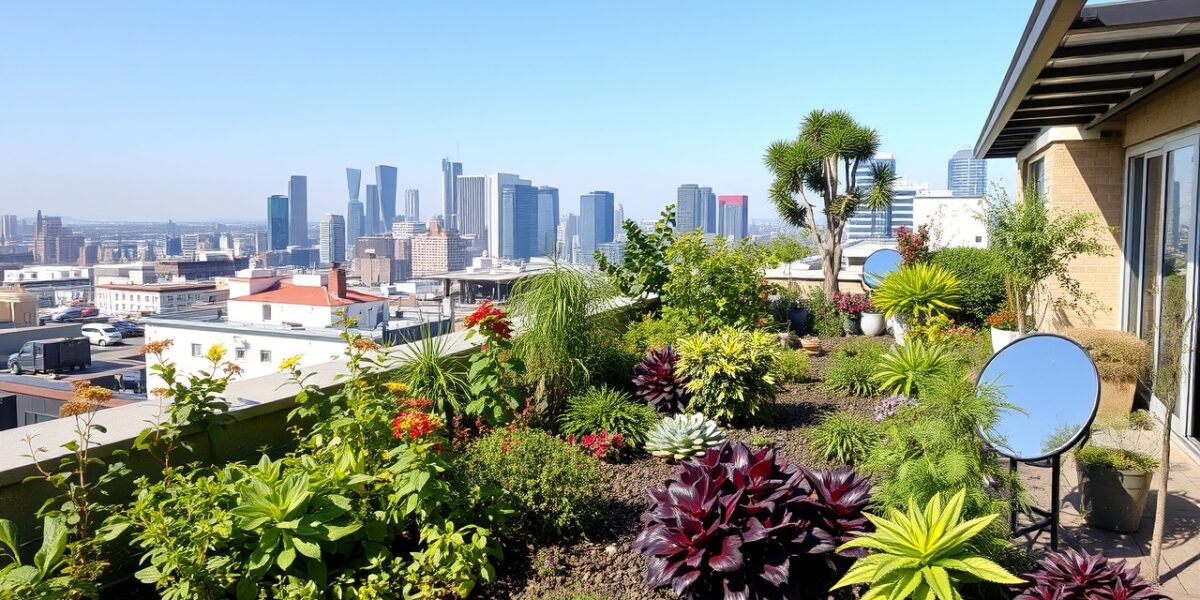
Urban gardening has become a vital component in the quest for sustainable city living. In densely populated areas where natural green space is scarce, residents are turning rooftops, balconies, and vacant lots into productive, vibrant ecosystems. These green oases provide fresh produce, improve air quality, reduce the urban heat island effect, and foster community connections. The movement is driven by a blend of environmental necessity, economic opportunity, and a growing desire for self-sufficiency. Understanding the principles behind urban gardening allows city dwellers to create thriving gardens that benefit both themselves and the broader urban ecosystem.
Why Urban Gardening Matters
There are several compelling reasons why urban gardening is not just a trend but a critical component of modern sustainability:
- Food Security: Growing food locally reduces dependence on long supply chains, ensuring fresher produce and lower transportation emissions.
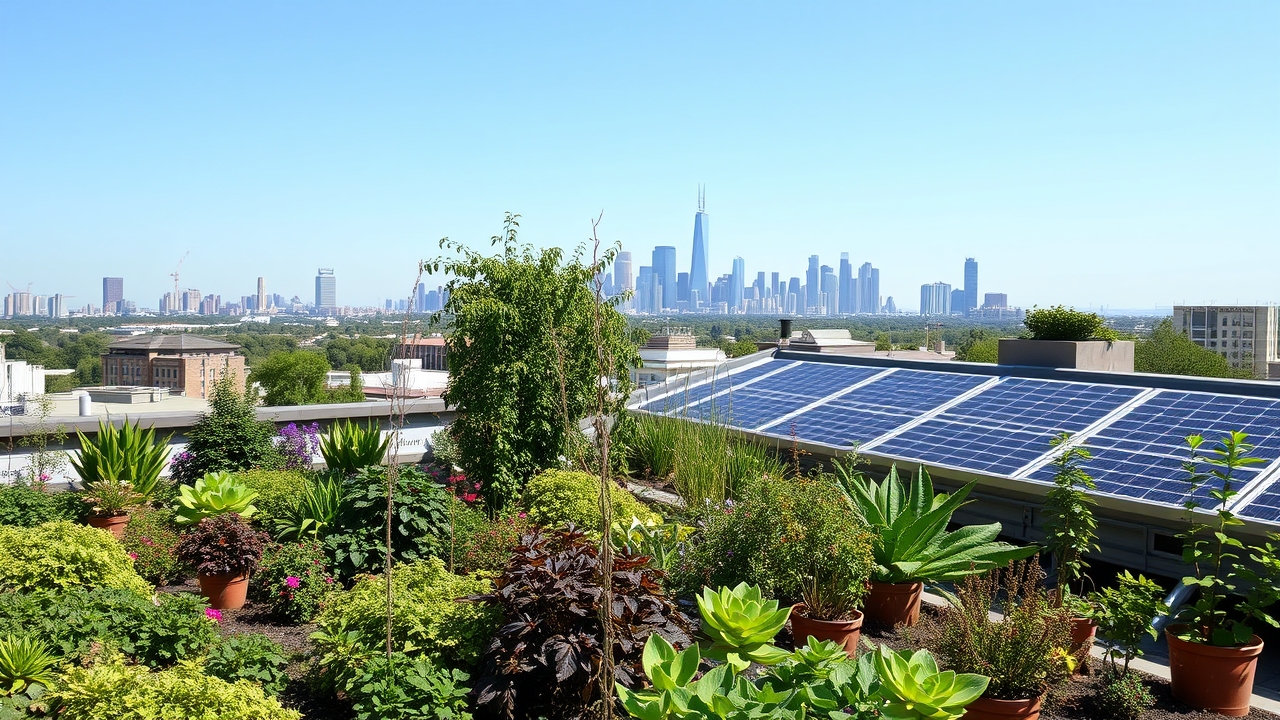
- Climate Mitigation: Plants absorb carbon dioxide, while green roofs and walls help insulate buildings, lowering energy demands for heating and cooling.
- Biodiversity: Urban gardens create habitats for pollinators, birds, and beneficial insects, counteracting habitat loss.
- Community Building: Shared gardening spaces encourage social interaction, knowledge exchange, and collective stewardship.
- Economic Benefits: Homegrown produce cuts grocery bills, while community gardens can generate income through workshops, CSA programs, and local markets.
Planning Your Urban Garden
Successful urban gardening begins with thoughtful planning. Consider the following key factors before planting:



- Space Assessment: Measure your available area, noting dimensions, orientation, and any shading patterns. South-facing balconies receive more sun, ideal for heat-loving plants, while north-facing spaces may suit leafy greens and herbs.
- Structural Load Capacity: Verify that rooftops or balcony decks can support the weight of soil, containers, and irrigation systems. Consult building codes or a structural engineer if necessary.
- Sunlight Exposure: Most vegetables and flowering plants require 6–8 hours of direct sunlight. Use a sun chart or a simple app to track light patterns over a week.
- Water Access: Proximity to a water source simplifies irrigation. Consider installing a rain barrel or greywater system to reduce water consumption.
- Ventilation and Drainage: Ensure adequate airflow to prevent mold and root rot. Use pots with drainage holes and consider a drip irrigation system to keep soil moist without overwatering.
Choosing the Right Plants
Plant selection is critical for maximizing yield while maintaining ecological balance. The following categories and specific examples work well in most urban settings:
- Herbs: Basil, mint, oregano, rosemary, and thyme thrive in containers and provide culinary and aromatic benefits.
- Leafy Greens: Lettuce, spinach, arugula, kale, and Swiss chard grow quickly and require minimal space.
- Root Crops:
- Carrots, radishes, and beets can be grown in deeper containers or raised beds.
- Fruit Vegetables: Cherry tomatoes, peppers, and cucumbers perform well in pots with sturdy support.
- Perennials: Strawberries, blueberries, and dwarf fruit trees add long-term productivity.
- Pollinator-Friendly Flowers: Marigolds, nasturtiums, and sunflowers attract bees, butterflies, and beneficial insects.
When selecting plants, consider local climate, seasonal variations, and your own culinary preferences. Companion planting—growing complementary species together—can deter pests, improve soil fertility, and increase overall yield.
Soil and Compost Management
Urban gardens often rely on container soil or raised beds, making soil health a priority. High-quality potting mix, compost, and organic amendments form the foundation of a productive garden:
- Potting Mix: Choose a lightweight, well-draining blend with a balanced ratio of peat, vermiculite, and perlite. Avoid heavy garden loam that can become compacted in containers.
- Compost: Homemade compost from kitchen scraps, yard waste, and coffee grounds adds nutrients and improves structure. Use a worm bin or a compost tumbler to accelerate decomposition.
- Organic Fertilizers: Slow-release granules or liquid fish emulsion provide steady nutrition. Adjust feeding schedules based on plant growth stages.
- Soil Testing: Periodic pH and nutrient testing ensures optimal conditions. Most vegetables prefer a pH between 6.0 and 7.0.
Rotating crops and incorporating legumes—plants that fix atmospheric nitrogen—helps maintain soil fertility without synthetic chemicals.
Water Management Strategies
Water conservation is essential in urban settings where resources may be limited. Implement the following techniques to reduce waste:
- Drip Irrigation: Delivers water directly to the root zone, minimizing evaporation and runoff.
- Mulching: Organic mulch retains moisture, suppresses weeds, and adds organic matter as it decomposes.
- Rainwater Harvesting: Collect rain from rooftops into barrels or cisterns. Filter and use the water for irrigation.
- Greywater Use: Recycle water from sinks, showers, and laundry (after filtering) for garden irrigation, following local regulations.
- Smart Sensors: Soil moisture probes can trigger irrigation only when needed, preventing overwatering.
Timing irrigation during early morning or late evening reduces evaporation losses, especially in hot climates.
Pest Management Without Chemicals
Urban gardens are susceptible to pests such as aphids, slugs, and fungal diseases. Adopt integrated pest management (IPM) principles to keep infestations under control:
- Biological Controls: Release ladybugs, predatory beetles, or nematodes that prey on common pests.
- Neem Oil: A natural insecticide that disrupts feeding and reproduction of many pests.
- Physical Barriers: Row covers, netting, and sticky traps keep pests away from plants.
- Companion Planting: Plant marigolds near tomatoes to repel nematodes; basil near peppers deters flies.
- Regular Monitoring: Inspect plants weekly for early signs of damage. Prompt action prevents spread.
Encourage beneficial insects by planting a diverse array of flowers, providing nectar and pollen sources throughout the growing season.
Community and Social Impact
Beyond individual benefits, urban gardens foster social cohesion and cultural exchange. Community gardens serve as:
- Educational Hubs: Workshops on composting, seed saving, and sustainable practices empower residents.
- Food Justice Initiatives: Providing fresh produce to underserved neighborhoods combats food deserts.
- Therapeutic Spaces: Gardening offers mental health benefits, reducing stress and promoting mindfulness.
- Economic Opportunities: Local farmers markets, food co‑ops, and CSA programs create jobs and stimulate local economies.
Collaborative projects—such as shared irrigation systems or seed banks—strengthen neighborhood bonds and share resources efficiently.
Success Stories from Around the World
Numerous cities have embraced urban gardening with remarkable outcomes:
- Singapore: Known as the “Garden City,” Singapore integrates vertical farms, rooftop gardens, and green roofs to produce 30% of its vegetable supply.
- New York City: The city’s 200+ community gardens provide fresh produce to over 1.5 million residents, while also offering educational programs and job training.
- Barcelona: The “Barcelona Green Roof” initiative has reclaimed over 200,000 square meters of rooftops, reducing energy consumption and improving stormwater management.
- Mexico City: Rooftop gardens on high-rise buildings have become a vital source of fresh produce for local markets, mitigating the city’s food supply challenges.
These examples illustrate that with vision, policy support, and community engagement, urban gardening can transform city landscapes and improve quality of life.
Getting Started: A Step-by-Step Guide
For those ready to take the plunge, follow this concise roadmap:
- Assess Your Space: Measure dimensions, check load limits, and evaluate sunlight.
- Design Your Layout: Map container positions, water lines, and pathways.
- Choose Containers: Use lightweight pots, hanging baskets, or repurposed barrels.
- Prepare Soil: Mix high-quality potting mix with compost.
- Plant Seeds or Seedlings: Follow planting depth guidelines and consider companion planting.
- Set Up Irrigation: Install drip lines or soaker hoses; add mulch.
- Monitor Growth: Check moisture, pH, and pest presence weekly.
- Harvest Regularly: Pick produce at peak ripeness to encourage continued production.
- Share Knowledge: Document successes and challenges; invite neighbors to learn.
- Celebrate Milestones: Host a garden tour or potluck to showcase your harvest.
Remember, the journey of urban gardening is iterative. Adjust your methods based on observations, and embrace the learning curve.
Conclusion
Urban gardening is more than an aesthetic choice; it is a practical, scalable approach to sustainability that addresses food security, climate resilience, biodiversity, and community wellbeing. By carefully planning space, selecting appropriate plants, managing soil and water responsibly, and fostering social connections, city dwellers can transform concrete jungles into thriving green ecosystems. Whether you have a balcony, a rooftop, or a vacant lot, the tools and knowledge are within reach. Start small, stay curious, and watch as your garden—and your community—grow together.
For further reading, see related references on Wikipedia.
Leave a Reply