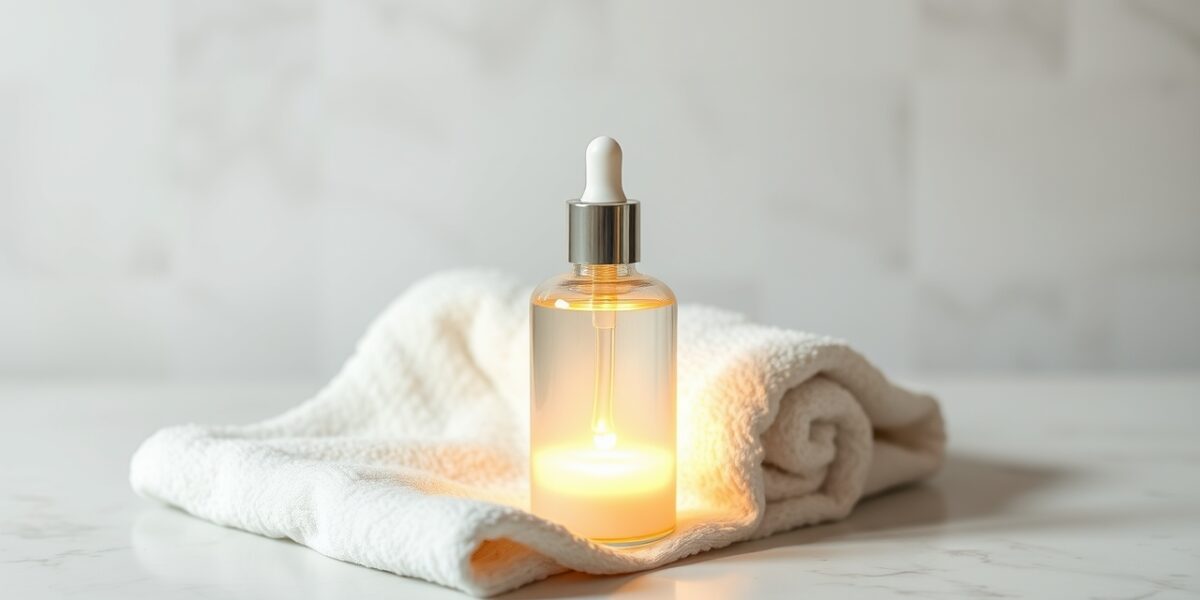
best serum for uneven skin tone is something I have been researching for years, especially after noticing how subtle differences in product choice can shift my skin’s overall appearance. When I first struggled with patches of dullness and uneven pigmentation, I realized that the right serum could be the missing link between a basic cleanser and a full‑blown anti‑agingакс. In this guide, I’ll walk you through everything you need to know about selecting, using, and maintaining a serum that targets uneven skin tone.
Choosing the best serum for uneven skin tone
Before diving into specific ingredients, it’s helpful to understand what a serum actually is. หลังจากอ่านประโยคทางวิชาการ, you can find a concise definition on Wikipedia: serum definition explains that a serum is a lightweight, water‑based product that delivers high concentrations of active ingredients directly to the skin. Because they’re not packed with heavy emollients, serums act quickly and can be layered under moisturizers.
- Check the concentration: Look for a percentage of active ingredient that’s high enough to see results, but not so high that it irritates.
- Consider the pH: A slightly acidic pH (around 4.5‑5.5) helps the skin absorb active molecules more efficiently.
- Look for a stable formulation: Ingredients like vitamin C and niacinamide are powerful but can oxidize if the bottle isn’t sealed properly.
When you@お腹เลือก serum, keep in mind that the best serum for uneven skin tone will often combine brightening agents with soothing components to prevent irritation.


What makes a brightening serum effective?
Brightening serums work primarily through two mechanisms: pigment inhibition and antioxidant protection. Below are the key ingredients that most effective products use.
Vitamin C (L‑ascorbic acid)
Vitamin C is a potent antioxidant that also inhibits melanin production. It’s often found in concentrations between 10‑20% in high‑quality serums. Because it’s water‑soluble, it’s ideal for addressing uneven skin tone without heavy occlusion.
Niacinamide (vitamin B3)
Niacinamide is a versatile ingredient that reduces inflammation, strengthens the skin barrier, and lightens hyperpigmentation. Typical concentrations range from 5‑10%.
Alpha Arbutin
Derived from bearberry leaves, alpha arbutin inhibits the enzyme tyrosinase, which is involved in melanin production. It’s less irritating than hydroquinone and suitable for sensitive skin.
Licorice Extract
Licorice root contains glabridin, which blocks the conversion of tyrosine to melanin. It’s often paired with niacinamide for a synergistic effect.
Azelaic Acid
Azelaic acid is a dicarboxylic acid that reduces inflammation and inhibits melanin synthesis. It’s especially useful for those with rosacea or acne‑related hyperpigmentation.
How to apply a serum for best results
The application technique can make or break the effectiveness of your serum. Here’s a step‑by‑step routine that I follow daily.
- Cleanse – Begin with a gentle DHA‑free cleanser to avoid removing the serum’s active layer.
- Toner – Apply an alcohol‑free toner to balance pH and prep the skin.
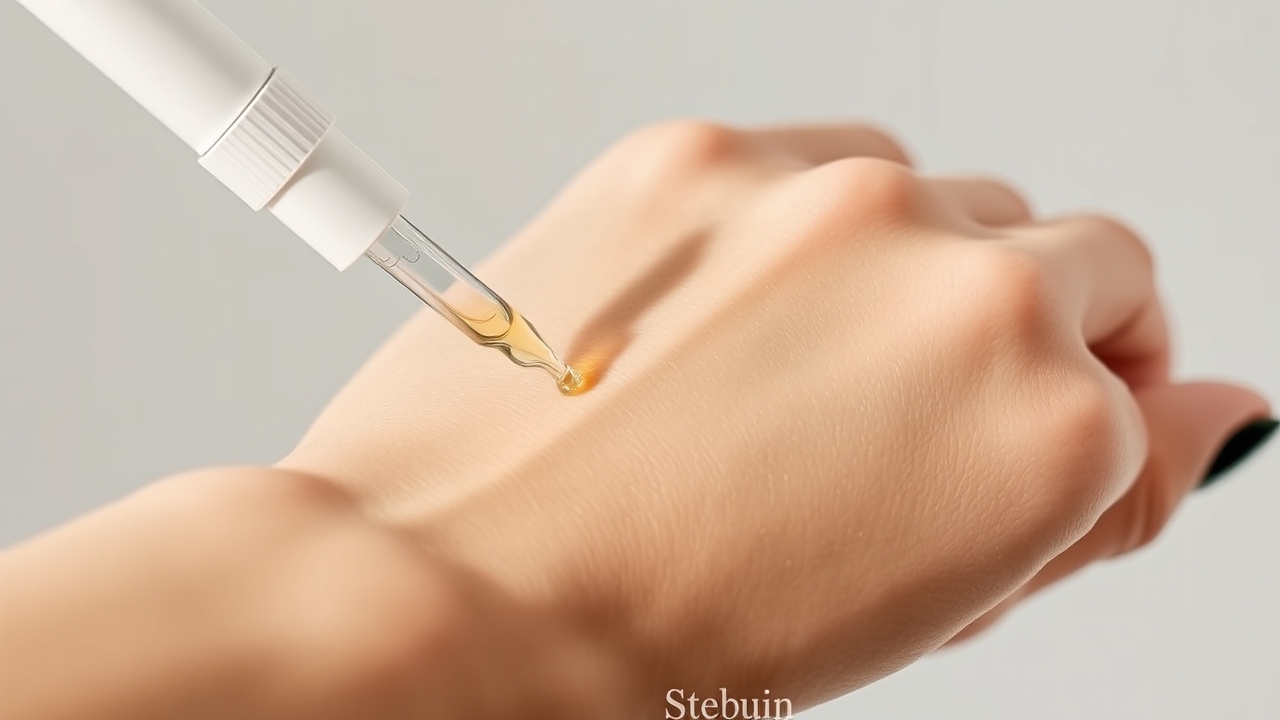
- Apply serum – Dispense 2‑3 drops onto the fingertips, then gently pat onto the face, focusing on areas of uneven tone.
- Wait 30‑60 seconds – Let the serum absorb before moving to the next step.
- Moisturize – Use a lightweight, non‑comedogenic moisturizer to lock in the serum.
- Sun protection – Finish with a broad‑spectrum SPF 30+ during the day; serum can enhance UV sensitivity.
When layering multiple actives, always apply the most water‑based product first, followed by oil‑based ingredients. This prevents the serum from being “pushed” out and ensures deeper penetration.
How long does it take to see results?
Patience is key. Most users notice subtle changes within 4‑6 weeks, while more pronounced brightening typically appears after 8‑12 weeks of consistent use. If you’re new to active ingredients, start with a lower concentration and gradually increase as your skin adapts.
Common pitfalls to avoid
- Using multiple brightening agents at once can cause irritation. Stick to one primary brightening ingredient per routine.
- Applying serum to damp skin can dilute its concentration. Allow the skin to dry fully before application.
- Skipping sunscreen will reverse the benefits of the serum, as UV exposure promotes melanin production.
- Ignoring the skin’s barrier health. A compromised barrier can lead to redness and breakouts, masking the serum’s benefits.
Long‑term care for a lasting glow
Once you’ve achieved a more even tone, maintaining it requires a balanced routine. Here are some long‑term strategies I recommend:
- Rotate actives – Use a brightening serum 3‑4 times a week, alternating with a hydrating serum on other nights.
- Incorporate exfoliation – Chemical exfoliants like AHAs (glycolic acid) or BHAs (salicylic acid) help shed dead cells and allow the serum to penetrate more deeply. Limit to 2‑3 times per week.
- Use a barrier repair moisturizer – Products containing ceramides, niacinamide, or hyaluronic acid help preserve the skin’s protective layer.
- Adopt a healthy lifestyle – Adequate sleep, hydration, and a balanced diet rich in antioxidants support skin health from within.
When to consult a dermatologist
While most individuals can safely use brightening serums, certain conditions warrant professional advice. If you experience persistent redness, itching, or a rash, stop use immediately and seek a dermatologist. Likewise, if you have severe melasma or a history of skin cancer, a professional assessment is essential before starting any new active regimen.
FAQs
- best serum for uneven skin tone: how quickly can I expect visible results?
- Visible changes often appear after 4‑6 weeks of consistent use, with deeper improvement around 8‑12 weeks. Patience and consistency are key.
- Can I use a brightening serum if I have sensitive skin?
- Yes, but choose formulations with lower concentrations of active ingredients and include soothing agents like niacinamide or centella asiatica. Patch test first.
- Is it safe to combine a brightening serum with a retinol product?
- It can be safe if you alternate usage (e.g., serum in the morning, retinol at night) and monitor for irritation. If irritation occurs, reduce frequency.
- Do I need a separate moisturizer after applying a brightening serum?
- Yes, a lightweight, non‑comedogenic moisturizer seals in the serum’s
Leave a Reply