What Is Retinol?
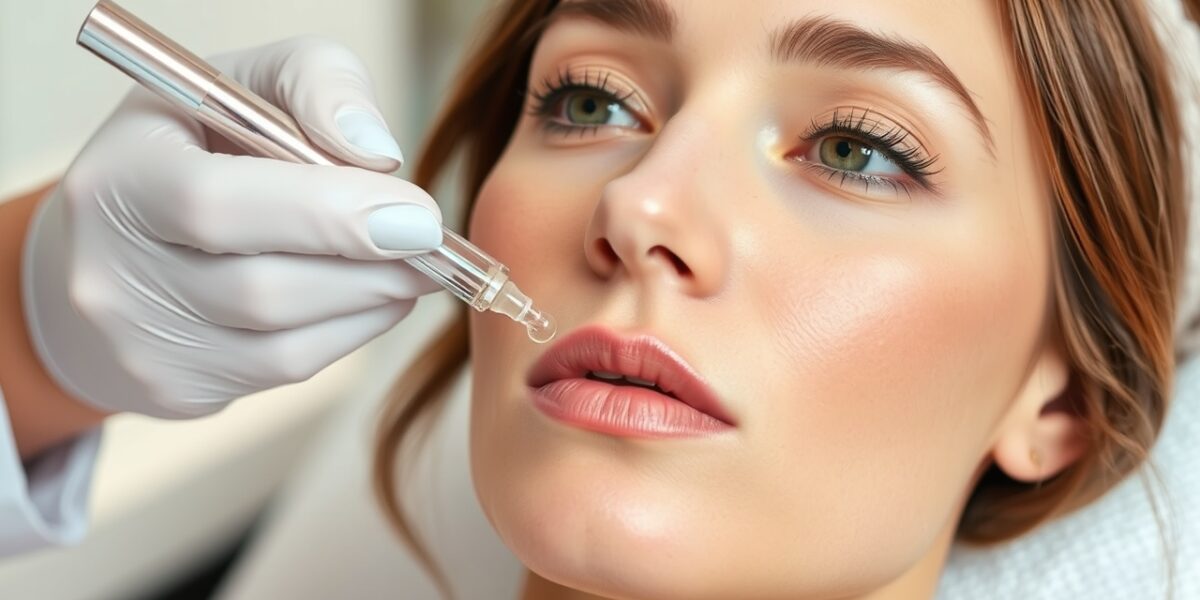
Retinol is a type of retinoid, a family of compounds derived from vitamin A. Unlike the vitamin itself, retinol is a fat‑soluble molecule that can penetrate the skin’s outer layers and influence cellular behavior. It is the most commonly used retinoid in over‑the‑counter skincare products, offering a balance between efficacy and tolerability.
The Science Behind Retinol’s Action
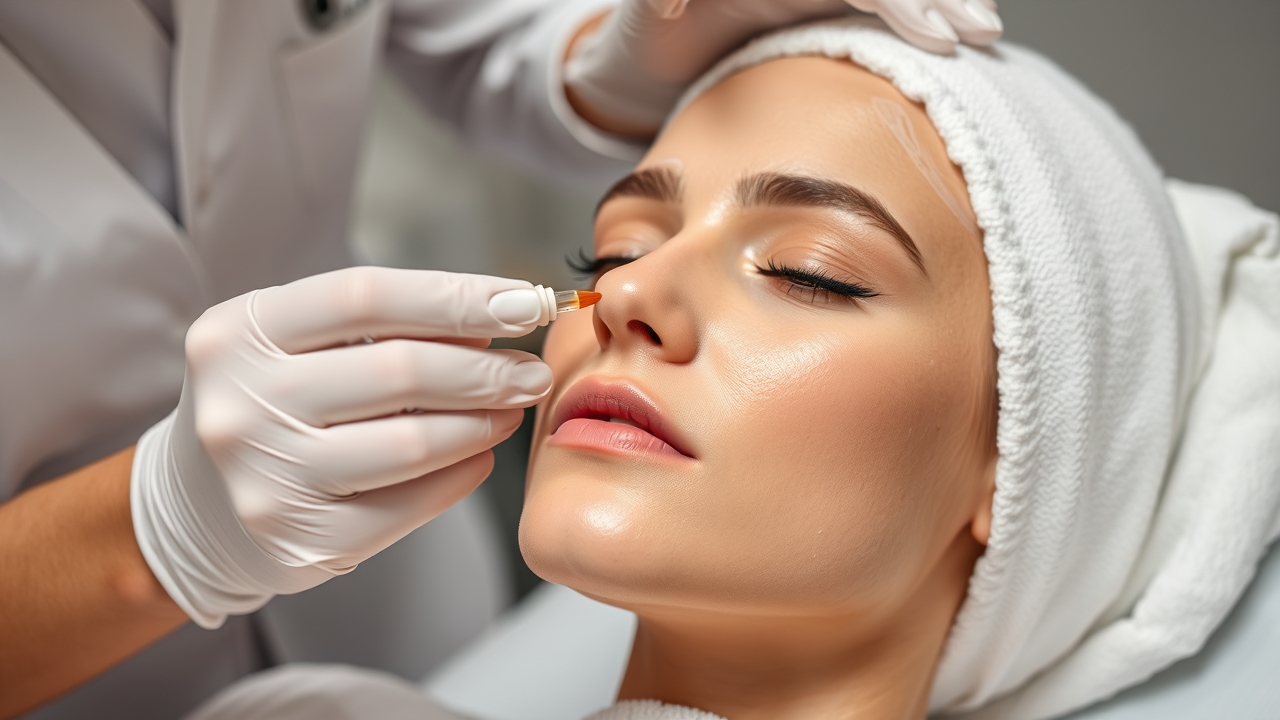
When you apply retinol to the skin, it undergoes a series of chemical transformations. First, enzymes in the epidermis convert retinol into retinaldehyde, and then into retinoic acid, the active form that interacts with nuclear receptors. These receptors—retinoic acid receptors (RAR) and retinoid X receptors (RXR)—bind to specific DNA sequences and regulate the transcription of genes involved in cell proliferation, differentiation, and apoptosis.
Because retinoic acid can modulate gene expression, it has a profound effect on the skin’s structural proteins, such as collagen and elastin, and on the turnover of keratinocytes. This leads to several observable benefits:


- Increased collagen production, which improves firmness and reduces fine lines.
- Enhanced elastin synthesis, improving skin elasticity.
- Accelerated turnover of the outermost skin cells, leading to a smoother, more radiant complexion.
- Regulation of melanin production, which can help fade hyperpigmentation.
Key Benefits of Retinol for Skin
1. Anti‑Aging Effects
One of the most celebrated uses of retinol is its ability to combat the visible signs of aging. By stimulating collagen and elastin production, retinol helps to reduce the appearance of fine lines, wrinkles, and sagging skin. Clinical studies have shown that regular use of a 0.5% retinol serum can decrease wrinkle depth by up to 30% over six months.
2. Acne Treatment
Retinol’s ability to increase cell turnover makes it effective at unclogging pores and reducing inflammation. It helps to prevent the formation of comedones and can reduce the frequency of breakouts in mild to moderate acne. Additionally, retinol’s anti‑inflammatory properties soothe irritated skin, making it a valuable component of acne‑focused regimens.
3. Hyperpigmentation Correction
By modulating melanin synthesis and accelerating the removal of pigmented cells, retinol can fade dark spots, sun spots, and melasma. When combined with vitamin C or niacinamide, the results can be even more pronounced, providing a brighter, more even skin tone.
4. Improved Skin Texture and Tone
Retinol’s influence on keratinocyte turnover leads to a smoother surface and a more uniform texture. Over time, skin feels softer, and pores appear less pronounced. The overall radiance of the complexion is enhanced, giving a healthy glow.
How to Incorporate Retinol Into Your Routine
While retinol is powerful, it can also be irritating if not used correctly. Below is a step‑by‑step guide to help you integrate retinol safely and effectively.
Step 1: Start Low and Slow
Begin with a product containing 0.25% retinol or lower. Apply it once or twice a week, gradually increasing frequency as your skin builds tolerance. This approach minimizes dryness, redness, and peeling.
Step 2: Apply at Night
Retinol can increase photosensitivity, so it’s best used in the evening. Cleanse your skin, apply a pea‑size amount, and follow with a moisturizer to help lock in hydration.
Step 3: Use a Barrier Cream
Barrier creams or heavy moisturizers can reduce irritation. If you experience flaking, consider layering a richer moisturizer over the retinol or using a separate “retinol‑free” night cream on alternate nights.
Step 4: Pair With Sunscreen During the Day
Because retinol thins the outer skin layer, it heightens the risk of sunburn. Use a broad‑spectrum SPF 30 or higher every morning, and reapply every two hours if you’re outdoors.
Step 5: Combine With Complementary Ingredients
Retinol works well with antioxidants like vitamin C, peptides, and niacinamide. However, avoid combining retinol with other potent actives such as alpha‑hydroxy acids (AHAs) or benzoyl peroxide on the same night, as this can cause excessive irritation.
Potential Side Effects and How to Mitigate Them
Common Irritations
Redness, dryness, flaking, and mild burning are normal when first using retinol. These symptoms usually subside after a few weeks of consistent use.
Pregnancy and Breastfeeding
High‑dose retinoids are contraindicated during pregnancy and breastfeeding due to potential teratogenic effects. Over‑the‑counter retinol products are generally considered safe in low concentrations, but it’s best to consult a healthcare provider.
Skin Sensitivity
If you have extremely sensitive skin, consider using a retinol derivative such as retinaldehyde or bakuchiol, which can offer similar benefits with less irritation.
Choosing the Right Retinol Product
When selecting a retinol product, consider the following factors:
- Concentration: Start with 0.25% and work up to 0.5% or 1% if needed.
- Formulation: Look for products that include humectants (glycerin, hyaluronic acid) and emollients (squalane, ceramides) to support skin barrier function.
- Packaging: Retinol is light‑sensitive; choose airtight, opaque containers to preserve potency.
- Brand reputation: Opt for brands with transparent ingredient lists and third‑party testing.
Frequently Asked Questions
Q: How long does it take to see results?
Visible improvements typically appear after 6–12 weeks of consistent use. However, deeper benefits like collagen boost may take up to 6 months.
Q: Can I use retinol with other actives?
Yes, but use them on alternate nights or in separate products to avoid irritation. For example, pair retinol with a moisturizer containing peptides or antioxidants.
Q: Is retinol safe for all skin types?
Retinol is generally safe for all skin types when used appropriately. Oily and acne‑prone skin often benefit most, but sensitive skin can use lower concentrations or gentler derivatives.
Q: What should I do if I experience severe irritation?
Stop using retinol immediately, apply a soothing moisturizer, and consult a dermatologist. In some cases, a short break of 2–4 weeks may be necessary before reintroducing the product at a lower concentration.
Conclusion
Retinol remains one of the most scientifically validated ingredients for anti‑aging, acne treatment, and hyperpigmentation correction. Its ability to modulate gene expression and stimulate collagen production makes it a powerful tool for achieving smoother, firmer, and more radiant skin. By starting low, applying it at night, and protecting your skin with sunscreen, you can harness its benefits while minimizing side effects. Whether you’re a skincare novice or a seasoned enthusiast, incorporating retinol into your routine can be a game‑changer for long‑term skin health.
For further reading, see related references on Wikipedia.
Leave a Reply