When your skin shows uneven patches, redness, or a dull undertone, the first line of defense is a serum specifically engineered to target those concerns. A well‑crafted serum can lift shadows, soften discoloration, and restore a natural glow—all while respecting the skin’s barrier. The goal is simple: create a smooth, luminous canvas that feels harmonious from the inside out.
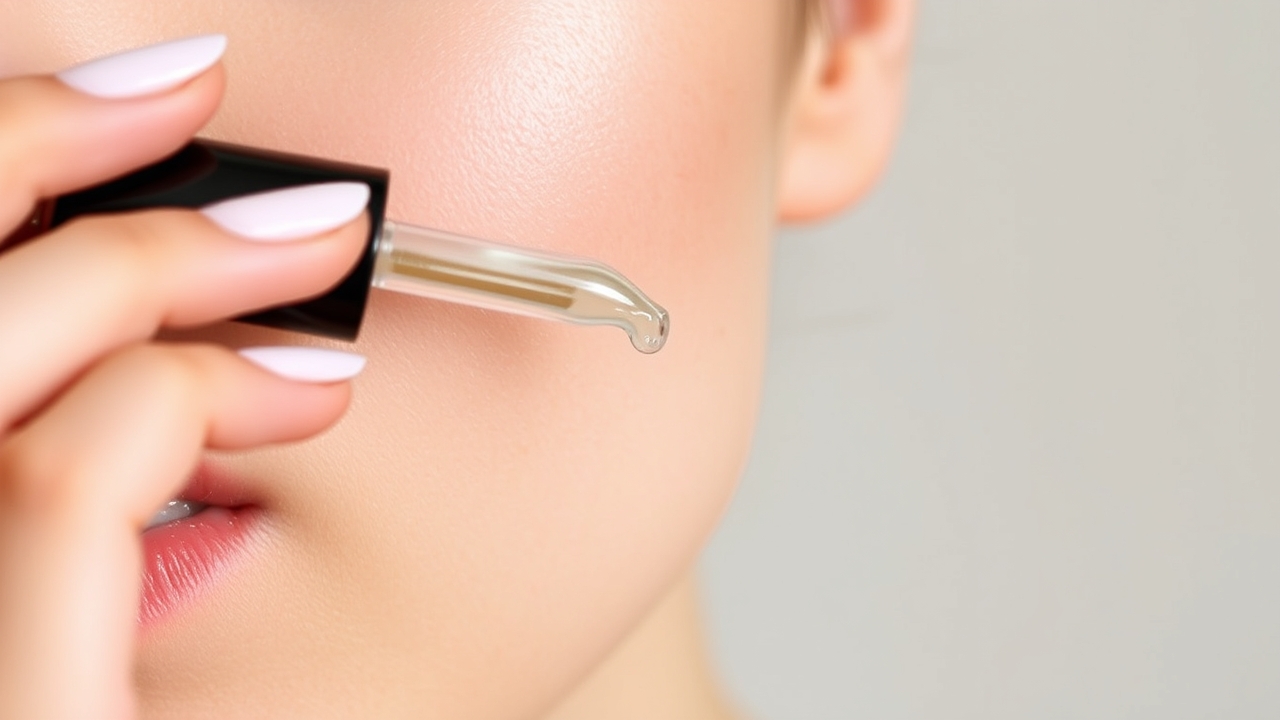
Key Ingredients in the Best Serum for Uneven Skin Tone
Ingredient lists are your roadmap. Look for a balanced blend that tackles pigment, texture, and hydration without compromising the skin’s natural defenses. Below are the actives that consistently deliver results when used responsibly.
- Vitamin C (L‑ascorbic acid) – A potent antioxidant that neutralises free radicals, brightens, and reduces melanin synthesis. Because it’s most stable at a low pH, look for a formulation that protects it—often with a stabilising blend of ferulic acid and vitamin E.
- Niacinamide (Vitamin B3) – A multitasker that dampens melanin production, improves barrier function, and reduces inflammation. It’s ideal for sensitive skin because it’s gentle yet effective.
- Alpha‑Arbutin – A plantecd derived inhibitor of tyrosinase, the enzyme that drives melanin production. It’s a milder alternative to hydroquinone and works well in concentrations of 2–5 %.
- Tranexamic Acid – A synthetic peptide that blocks the formation of pro‑pigment molecules. Clinical studies show it can lighten post‑inflammatory hyperpigmentation by up to 30 % after 12 weeks.
- Hyaluronic Acid – A humectant that draws water into the epidermis, smoothing fine lines and reducing the appearance of uneven tone by plumping the skin.
- Licorice Root Extract – Contains glabridin, a natural inhibitor of melanogenesis. It also offers anti‑inflammatory benefits, making it a great choice for redness‑prone skin.
While any single active can be powerful, the best serum for uneven skin tone typically balances potency with tolerability. A multi‑active formula—often combining niacinamide, tranexamic acid, and a low‑concentration vitamin C—provides a synergistic effect without overwhelming the skin.


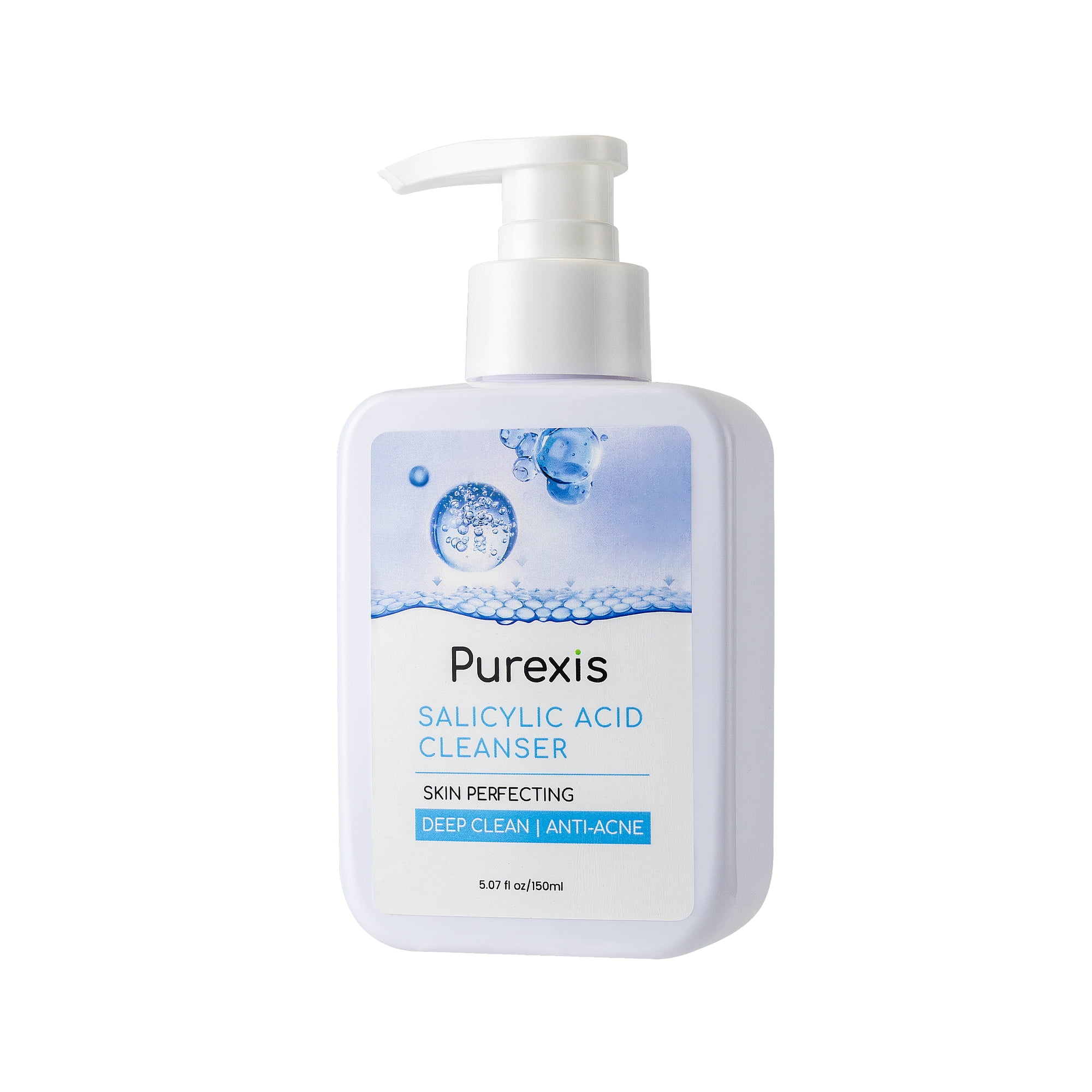
Brightening Serum: The First Step to a Radiant Complexion
A brightening serum is designed to lift dullness and restore a natural glow. It’s usually lightweight, allowing it to be layered under heavier moisturisers or sunscreens without feeling heavy.
- Choose a lightweight formula that contains hyaluronic acid for a subtle boost of moisture.
- Look for antioxidants like vitamin E or ferulic acid to complement vitamin C and protect the actives from oxidation.
- Apply a thin, even layer over freshly cleansed skin, and let it absorb for 30–60 seconds before moving on to the next step.
Because brightening serums are formulated to be gentle, they’re a safe choice for sensitive or reactive skin types.
Even‑Tone Serum: Targeting Discoloration from Every Angle
Even‑tone serums combine multiple actives to tackle hyperpigmentation, redness, and texture irregularities. They can be used as a mid‑routine step or as a dedicated spot treatment.
- Niacinamide paired with tranexamic acid is a popular duo for reducing post‑inflammatory marks.
- Alpha‑arbutin can be combined with kojic acid for a deeper anti‑pigment effect, especially in darker skin tones.
- When using multiple actives, start with the thinnest formula and layer up to the thickest—this prevents pilling and maximises absorption.
Consistent use of an even‑tone serum helps the skin’s natural production cycle shift toward a more balanced appearance over time.
Dark‑Spot Serum: Focused Treatment for Stubborn Patches
Dark‑spot serums are typically more concentrated, often containing higher percentages of actives such as hydroquinone (in regulated markets), azelaic acid, or kojic acid. They’re intended for targeted application on visible hyperpigmentation.
- Use a pea‑sized amount and gently pat the affected area.
- Allow the serum to dry completely before layering other products.
- Because these serums can be potent, patch‑test on the inner forearm before full use.
When applied consistently, a dark‑spot serum can fade stubborn patches over weeks of use.
Glow Serum: The Final Touch to a Luminous Look
A glow serum is often richer, containing ingredients like glycerin, panthenol, or ceramides that lock in moisture and give a subtle sheen. It’s ideal for evening routines or for adding a radiant finish before makeup.
- Apply a thin layer after your moisturiser.
- Let it sit for a minute before applying makeup.
- Because glow serums are hydrating, they work well in dry climates or during winter months.
When paired with a sunscreen during the day, a glow serum helps maintain a healthy, even complexion.
Building a Routine Around the Best Serum for Uneven Skin Tone
Below is a simple, five‑step routine that maximises each serum’s benefits without overwhelming the skin.
- Cleansing – Use a gentle, sulfate‑free cleanser that removes makeup and impurities without stripping the barrier.
- Toning (optional) – A hydrating toner can prep the skin for serum absorption and balance pH.
- Apply the best serum for uneven skin tone – Pat the serum onto the face, focusing on areas with discoloration. A pea‑sized amount is sufficient for most people.
- Moisturiser – Seal in the serum with a lightweight or richer moisturiser, depending on your skin type.
- Sun Protection – Finish with a broad‑spectrum SPF 30+ every morning. Choose the best sunscreen for sensitive skin to protect against UV‑induced pigmentation.
At night, you can add an additional brightening or glow serum after the moisturiser to aid overnight repair.
When to Rotate or Layer Serums
It’s tempting to layer multiple serums, but the trick is to avoid pilling and irritation while still reaping the benefits of each active. A simple rule of thumb is to apply in order from thinnest to thickest consistency.
- Start with a hydrating serum (e.g., hyaluronic acid) to open pores for better absorption.
- Follow with your chosen best serum for uneven skin tone (e.g., a niacinamide‑based formula).
- Finish with a richer serum (e.g., a glow serum with ceramides).
For those who prefer a single product, look for a multi‑active serum that includes brightening, even‑tone, and glow ingredients. This simplifies the routine and reduces the risk of over‑stimulation.
Common Mistakes to Avoid
- Using too many actives at once – This can lead to redness, dryness, or irritation.
- Skipping sunscreen – UV exposure can worsen pigmentation and counteract the benefits of the serum.
- Over‑exfoliating – Frequent chemical exfoliation can thin the skin barrier, making it more susceptible to uneven tone.
- Ignoring patch tests – Even “gentle” serums can cause reactions in sensitive skin.
Choosing the Right Formula for Your Skin Type
Skin type is a major determinant in serum selection. Below are quick guidelines for common skin types:
- Oily/Acne‑Prone – Look for lightweight, non‑comedogenic formulas, possibly with salicylic acid or tea tree oil as a secondary active.
- Dry/Sensitive – Opt for hydrating serums with ceramides, panthenol, and minimal fragrance.
- Combination – Use a balanced serum that can address both oily and dry areas, or layer a lightweight serum on oily zones and a richer one on dry patches.
- Normal – You have flexibility; a multi‑active serum can address multiple concerns simultaneously.
How Long Until You Notice Results?
Patience is key. Most people see subtle improvements in texture and tone after 4–6 weeks of consistent use. Dark spots or hyperpigmentation may take 8–12 weeks to fade noticeably. Consistency, along with proper sun protection, is the best guarantee for visible improvement.
Safety Tips and What to Watch For
- Always perform a patch test on a small area before applying a new serum.
- Watch for signs of irritation such as burning, itching, or persistent redness.
- If you experience any adverse reaction, discontinue use and consult a dermatologist.
- Keep the serum in a cool, dark place to preserve actives’ stability.
Where to Learn More About Skin Color and Health
For a deeper understanding of skin tone and pigmentation, the skin tone article on Wikipedia offers a comprehensive overview of the science behind color variations.
FAQs
What makes a serum effective for uneven skin tone?
Effectiveness comes from a balanced mix of actives that target pigment, hydration, and barrier support. The serum should be lightweight, non‑comedogenic, and free of excessive fragrance or alcohol.
How often should I use a brightening serum?
Most brightening serums can be applied once or twice daily. Start with once daily to gauge tolerance, then increase if your skin remains comfortable.
Can I use a dormant‑spot serum while also using sunscreen?
Yes—apply the serum first, allow it to absorb, then follow with sunscreen. The sunscreen protects the skin from UV rays that can worsen pigmentation.
Is it safe to layer a glow serum with a niacinamide‑based even‑tone serum?
Layering is safe if the glow serum is thinner or has a lighter consistency. Apply the niacinamide serum first, then the glow serum to avoid pilling.
Will using a serum for uneven skin tone make my skin oily?
When chosen correctly, a serum should not increase oiliness. Many hydrating serums help balance the skin’s moisture levels, which can reduce excess sebum production.
For more personalized skincare advice, visit Healthy Skin World and explore our comprehensive guides and community discussions.
Leave a Reply