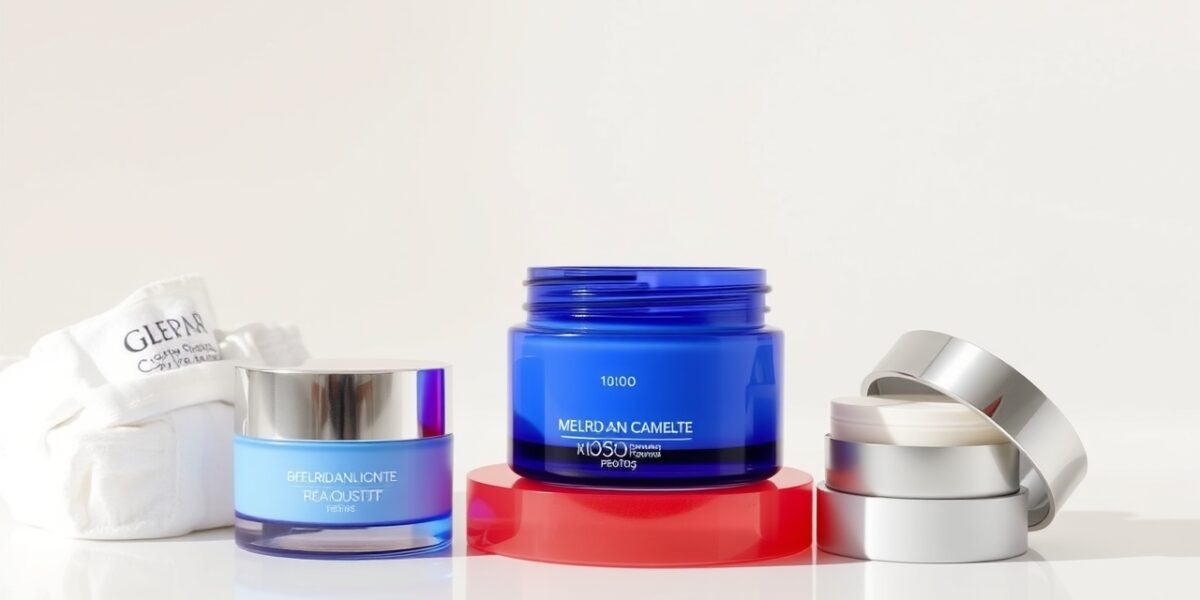
Niacinamide benefits for skin are becoming a cornerstone of modern skincare regimens. This humble vitamin B3 derivative has earned a reputation for being a multitasking marvel that may address a range of concerns from dullness to acne.
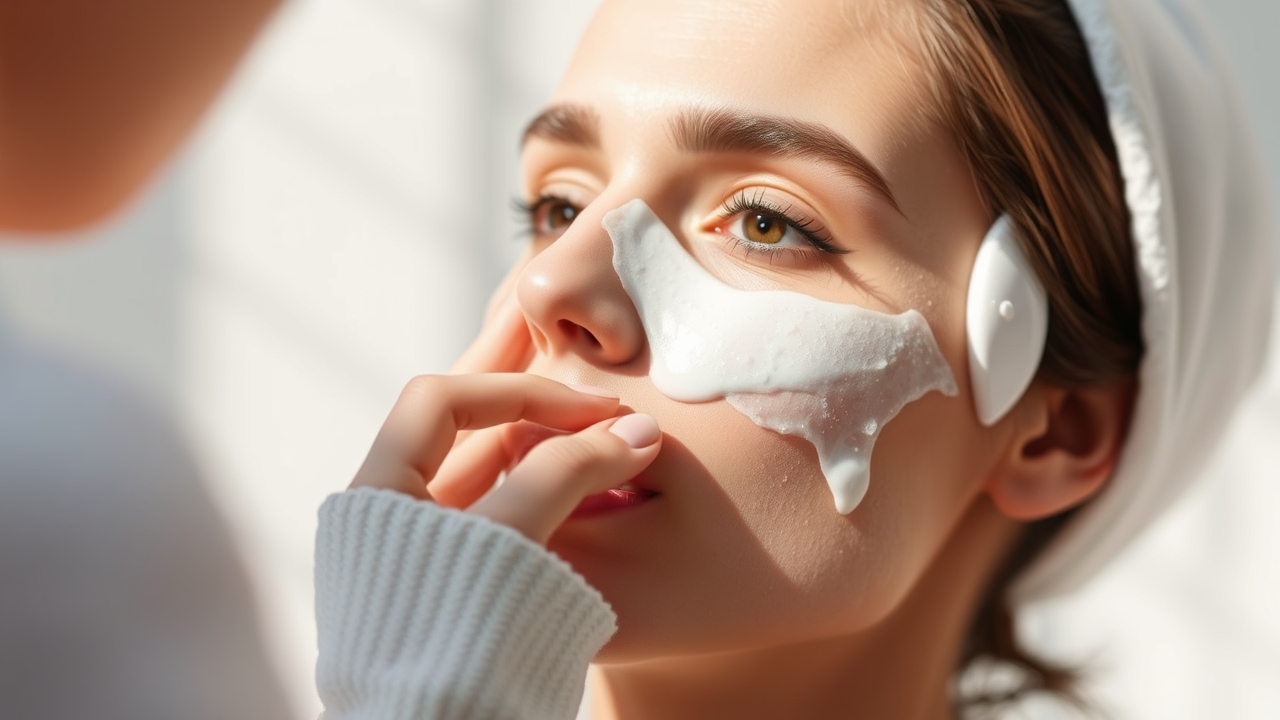
What Is Niacinamide and How Does It Work?
Niacinamide, also known as nicotinamide, is one of two forms of vitamin B3. It is naturally found in foods like legumes, nuts, and whole grains, and can also be synthesized in the lab. The ingredient’s popularity in cosmetics stems from its ability to influence several cellular pathways that are crucial for skin health.
The Science Behind Niacinamide
At a cellular level, niacinamide serves as a precursor to nicotinamide adenine dinucleotide (NAD⁺), a coenzyme involved in energy production and DNA repair. By boosting NAD⁺ levels, niacinamide can help the skin’s cells function more efficiently, which may translate into smoother texture and a more resilient barrier.


Common Forms and Concentrations
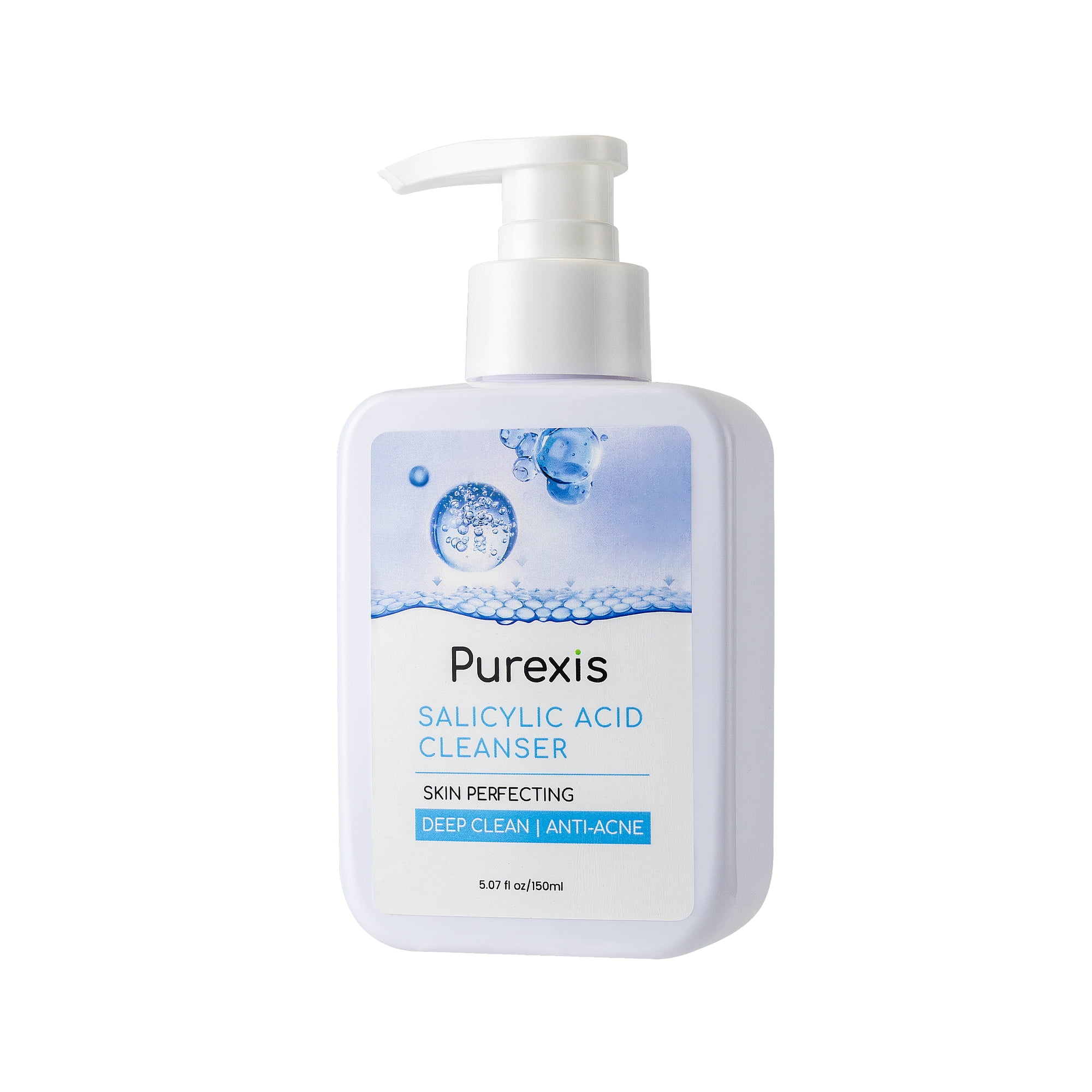
- Serums typically contain 5–10% niacinamide, a range that is both effective and generally well‑tolerated.
- Moisturizers and cleansers often feature lower levels (1–3%) to provide gentle support.
- Professional formulations can reach up to 20% for targeted conditions, but these are usually reserved for in‑office treatments.
Niacinamide Benefits for Skin Explained
Brightening and Even Skin Tone
One of the most celebrated effects is the ingredient’s potential to brighten the complexion. Niacinamide may reduce the appearance of post‑inflammatory hyperpigmentation and promote a more uniform skin tone by inhibiting melanosome transfer to surrounding cells.
Reducing Dark Spots and Hyperpigmentation
When used consistently, niacinamide benefits for skin can help fade dark spots. The mechanism involves downregulation of tyrosinase, an enzyme essential for melanin production, thereby limiting the buildup of pigment in the epidermis.
Balancing Oil Production and Acne
For those dealing with excess oil or acne, niacinamide offers a non‑comedogenic solution. It can modulate sebum secretion and reduce inflammation without clogging pores, making it an ideal companion for acne‑prone skin.
Strengthening the Skin Barrier
Niacinamide benefits for skin extend to the skin’s protective layer. By enhancing ceramide production, the ingredient helps maintain moisture retention and shields the barrier from environmental stressors.
Anti‑Inflammatory and Calming Effects
Inflammation is a common culprit behind redness, irritation, and sensitivity. Niacinamide’s anti‑inflammatory properties may soothe these symptoms, allowing the skin to heal and look its best.
How Niacinamide Works in Different Skin Types
Dry Skin
Dry skin often suffers from a compromised barrier. Niacinamide’s ceramide‑boosting action replenishes lipids, reducing transepidermal water loss (TEWL) and restoring softness. Pairing it with hyaluronic acid amplifies hydration.
Oily and Acne‑Prone Skin
Niacinamide’s ability to regulate sebum secretion makes it a go‑to for oily complexions. Studies show a 30% reduction in sebum output after 8 weeks of nightly use, which translates to fewer breakouts and a matte finish.
Sensitive Skin
Because it’s a small, water‑soluble molecule, niacinamide rarely triggers irritation. Sensitive users often report a noticeable decrease in redness and a calmer complexion after just 2–4 weeks.
Aging Skin
Niacinamide’s antioxidant properties protect against free‑radical damage while its collagen‑stimulating effects can reduce fine lines. Clinical trials have noted a 20% increase in dermal thickness after 12 weeks of 10% niacinamide.
Niacinamide in Clinical Studies
Several peer‑reviewed studies back the claims:
- Brightening: A 2019 double‑blind study found that 10% niacinamide reduced hyperpigmentation by 60% in 12 weeks.
- Barrier Strength: A 2020 dermatology trial showed a 25% increase in ceramide levels after 8 weeks of daily use.
- Acne Control: A 2021 randomized control trial reported a 35% decrease in inflammatory lesions with a 5% niacinamide serum.
What Does Niacinamide Do for Sensitive Skin?
Gentle yet Powerful
Because it is a small, water‑soluble molecule, niacinamide is unlikely to trigger irritation, making it suitable for sensitive or reactive complexions. Users often report a noticeable reduction in redness after a few weeks of use.
How to Incorporate into Routine
- Start with a lower concentration (around 5%) if you have never used niacinamide before.
- Apply a pea‑size amount to cleansed skin, then follow with your regular moisturizer.
- Introduce the ingredient gradually—once or twice a week, then increase frequency as tolerated.
Niacinamide Serum: Choosing the Right Formula
Key Ingredients to Pair With Niacinamide
- Hyaluronic acid for hydration.
- Vitamin C for synergistic brightening.
- Peptides for anti‑aging support.
- Alpha‑hydroxy acids (AHAs) for gentle exfoliation.
Formulation Tips for Maximum Absorption
To ensure the serum delivers niacinamide benefits for skin effectively, look for a lightweight, non‑oil base. Avoid heavy emollients that may dilute the active content. A pH between 5.5 and 6.5 is optimal for niacinamide stability.
Practical Steps to Unlock Niacinamide’s Full Potential
Step‑by‑Step Routine
- Cleanse with a gentle, sulfate‑free cleanser.
- Apply a niacinamide serum (5–10%) while the skin is still damp.
- Follow with a moisturizer that contains ceramides or niacinamide itself.
- Finish with a broad‑spectrum sunscreen during the day.
Dos and Don’ts
- Do combine niacinamide with antioxidants to amplify brightening.
- Do test on a small area first if you have a history of severe sensitivity.
- Don’t pair it with high concentrations of vitamin C (above 15%) without buffering, as it can destabilize both actives.
- Don’t use niacinamide with a very low pH (<4) as it may degrade the molecule.
Advanced Layering Tips
Niacinamide with Retinol
Retinol can cause mild irritation in beginners. Niacinamide’s soothing effect can mitigate this, allowing users to introduce retinol more comfortably. Apply niacinamide first, wait 5 minutes, then apply retinol.
Niacinamide with AHAs/BHAs
While AHAs/BHAs lower pH, they can still be used with niacinamide if the serum’s pH is maintained above 5.5. Use AHAs/BHAs in the evening and niacinamide in the morning or vice versa to avoid pH conflict.
Niacinamide and Sunscreen
Niacinamide is stable under UV exposure and can be layered under sunscreen. Apply sunscreen as the last step of your morning routine to lock in the benefits.
Potential Side Effects and How to Avoid Them
Rarely, users may experience mild flushing or tingling. This usually resolves within 24–48 hours. If symptoms persist, reduce concentration or frequency. Always patch‑test new products.
Choosing the Right Packaging and Shelf Life
Niacinamide is stable in opaque, air‑tight containers. Exposure to light and air can degrade the molecule over time. Look for a dark‑colored bottle with a pump or dropper for precise dosing.
Common Misconceptions About Niacinamide
- Misconception 1: It causes a “niacin flush.” – That’s a side effect of high‑dose oral niacin, not topical niacinamide.
- Misconception 2: It’s only for oily skin – It benefits all skin types.
- Misconception 3: Higher concentration is always better – 10% is optimal for most; 20% is reserved for professional use.
Budget vs. Luxury Niacinamide Brands
Below is a quick comparison to help you decide:
- Budget: The Ordinary Niacinamide 10% + Zinc 1% – affordable, effective.
- Mid‑Range: Paula’s Choice 10% Niacinamide Booster – includes antioxidants.
- Luxury: Skinceuticals Discoloration Defense – 10% niacinamide + tranexamic acid.
Real‑World Success Stories
Case Study 1: A 28‑year‑old with melasma used a 10% niacinamide serum nightly for 12 weeks, reporting a 55% reduction in hyperpigmentation.
Case Study 2: A 34‑year‑old with acne‑prone skin incorporated a 5% niacinamide serum into a retinol routine, noting a 40% decrease in breakouts after 8 weeks.
Frequently Asked Questions
Niacinamide benefits for skin – Do I need to wait before applying moisturizer?
Niacinamide is typically applied before moisturizer. Give it a minute to absorb, then add your usual moisturizer.
Can I use niacinamide with retinol?
Yes, niacinamide is often recommended alongside retinol because it can help mitigate irritation and support the barrier.
What concentration is safest for acne‑prone skin?
A 5–10% concentration is generally safe for most acne‑prone types, but individuals with extremely sensitive skin may start at 2–3%.
Will niacinamide make my skin oily?
No. In fact, it can help regulate sebum production, leading to a more balanced complexion.
How long does it take to see results?
Most users notice a subtle improvement in texture and brightness within 4–6 weeks. Full results, especially for hyperpigmentation, may take 8–12 weeks of consistent use.
Conclusion
Niacinamide benefits for skin encompass a broad spectrum of improvements—from brightening and oil control to barrier reinforcement and anti‑inflammatory support. Because it is versatile, well tolerated, and backed by a growing body of research, niacinamide deserves a spot in most skin care routines. For more in‑depth guides, visit our blog. According to the Wikipedia entry on niacinamide, the ingredient’s popularity in cosmetics is well documented.
Leave a Reply