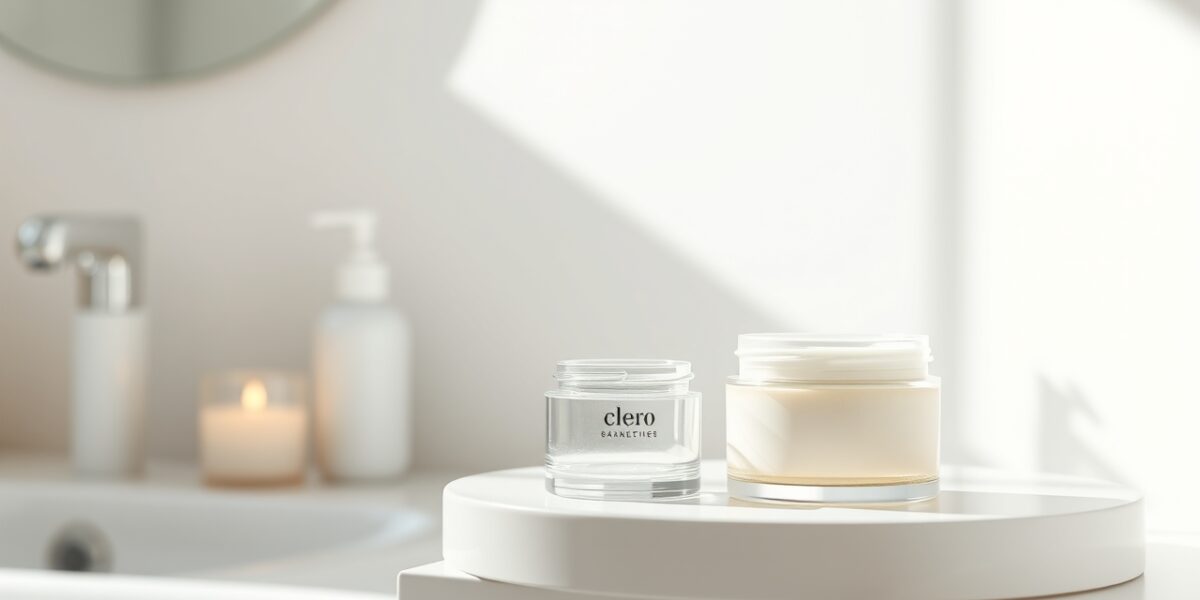
Can you use retinol and niacinamide together? Many skincare enthusiasts wonder if these powerful actives can coexist in one routine. The short answer is yes—when applied thoughtfully, they can complement each other and enhance overall skin health.
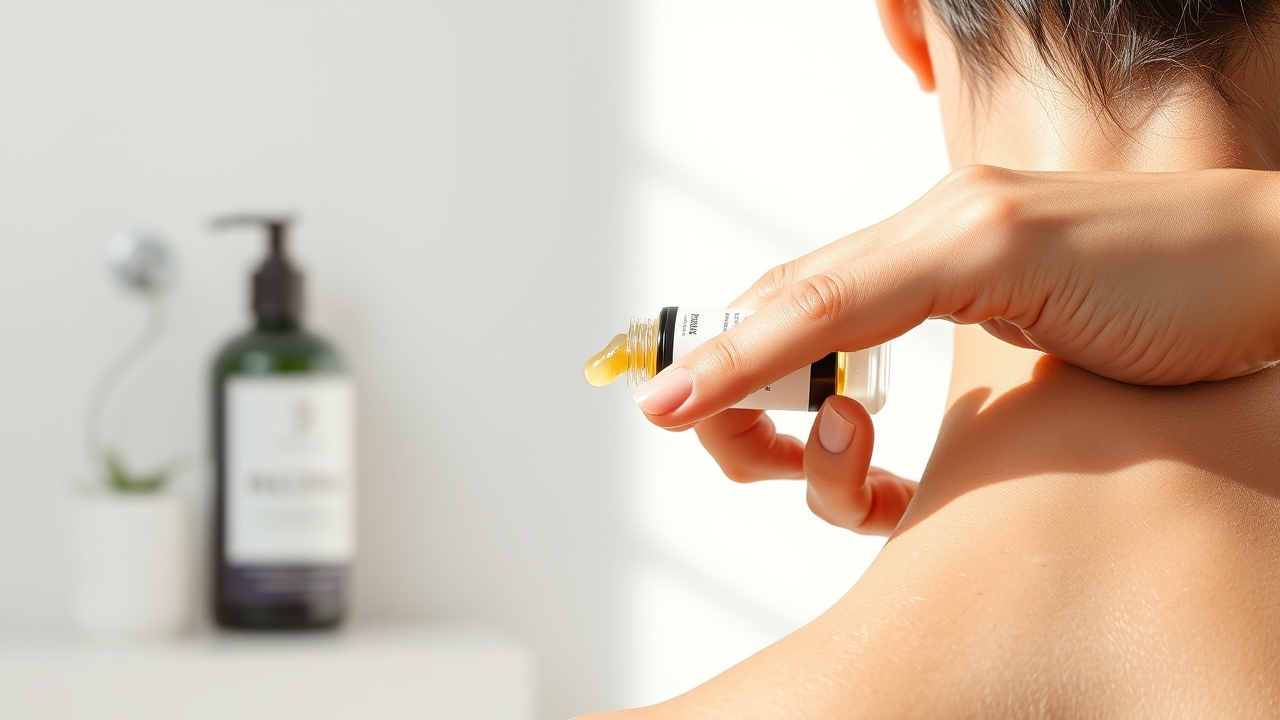
Can You Use Retinol and Niacinamide Together?
Both retinol and niacinamide are celebrated for their versatile benefits. Retinol, a vitamin A derivative, encourages cell turnover and collagen production, while niacinamide (vitamin B3) helps regulate oil, strengthen the barrier, and reduce redness. Together, they can address multiple concerns: fine lines, uneven tone, and congestion.
Understanding How They Work
- Retinol: Stimulates fibroblasts, boosts collagen, and accelerates keratinocyte turnover, which can improve texture and firmness.
- Niacinamide: Modulates sebum secretion, enhances ceramide synthesis, and has anti‑inflammatory properties that soothe irritated skin.
Because their mechanisms target different layers of the epidermis, layering can create a synergistic effect. However, the key is timing and concentration.


Scientific Perspective
According to the Wikipedia entry on retinol, it is a well‑studied retinoid that improves photodamage and signs of aging. Niacinamide, meanwhile, has been shown in several dermatology studies to fortify the skin barrier and reduce hyperpigmentation. These findings support the idea that the two can be combined without neutralizing each other.
How to Combine Safely
Below is a step‑by‑step routine that balances potency with gentleness.
- Cleanse: Use a mild, non‑foaming cleanser to remove makeup and impurities.
- Toner (optional): Apply a hydrating toner that contains hyaluronic acid.
- Niacinamide Serum: Apply a 5–10% niacinamide serum first. This allows the skin to benefit from its soothing properties before introducing retinol.
- Retinol: Wait 30–60 seconds, then apply a pea‑sized amount of retinol. Start with 0.25% if you are new to retinoids.
- Moisturizer: Finish with a fragrance‑free moisturizer to lock in hydration.
- Sun Protection (AM): Use a broad‑spectrum SPF 30+ during the day.
Follow this routine 2–3 times per week, gradually increasing frequency as tolerance builds.
Layering Order Explained
Why start with niacinamide? Niacinamide’s anti‑inflammatory action can reduce the likelihood of irritation that sometimes accompanies retinol. Applying retinol after ensures it penetrates the deeper layers without being diluted by other actives.
Frequency and Tolerance
Everyone’s skin reacts differently. If you notice redness, peeling, or excessive dryness, cut back to once a week or try using the actives on alternate nights. A patch test on the jawline can help gauge sensitivity.
Common Mistakes to Avoid
- Using a high‑strength retinol (1%+) while also applying other potent actives like AHAs or BHAs in the same routine.
- Skipping moisturizer, which can exacerbate dryness.
- Applying sunscreen only in the morning—retinol increases photosensitivity, so SPF is essential.
Signs Your Skin Is Adapting
- Gradual brightening and smoother texture.
- Reduced appearance of fine lines.
- Less redness and a calmer complexion.
Debunking Myths
One myth is that niacinamide “cancels” the effects of retinol. In reality, the two act in separate pathways and can even enhance each other’s benefits when used correctly.
Putting It Into Your Routine
Here’s a sample evening schedule:
- Night 1: Cleanse → Niacinamide → Retinol → Moisturizer
- Night 2: Cleanse → Moisturizer (no actives)
- Night 3: Cleanse → Niacinamide → Retinol → Moisturizer
- Night 4: Cleanse → Moisturizer (no actives)
Repeat the cycle, increasing retinol strength to 0.5% after 4 weeks if tolerated.
When to Skip Retinol
During pregnancy, indica‑based anti‑inflammatory conditions, or when using prescription retinoids, it’s best to consult a dermatologist before adding over‑the‑counter retinol.
Why It Works for All Skin Types
Because niacinamide is soothing and retinol is potent, this pairing caters to oily, dry, and combination skins. The key is tailoring concentration and frequency to individual tolerance.
Internal Resources
For deeper dives into how to personalize your regimen, visit our guide on Healthy Skin World.
Frequently Asked Questions
- Can you use retinol and niacinamide together? Yes, applying niacinamide first and retinol after can reduce irritation and boost overall skin health.
- How often can I use retinol with niacinamide? Start once or twice a week and gradually increase as tolerance builds.
- Do they work the same way for all skin concerns? Retinol targets aging and texture, while niacinamide addresses oil control and barrier repair; together they cover a broad spectrum.
- What if I experience redness? Reduce frequency, apply a richer moisturizer, or use a lower retinol concentration.
- Can I use them in the morning? It’s safer to use them at night; in the morning, focus on sunscreen and lightweight moisturizers.
Choosing the Right Retinol Strength
Retinol comes in a range of concentrations, typically from 0.025% to 1%. New users should start at the lowest end to allow the skin to acclimate. Dermatologists often recommend:
- 0.025%–0.05% for beginners or sensitive skin.
- 0.1%–0.25% for those who have tolerated lower strengths.
- 0.5%–1% for experienced users or when targeting stubborn fine lines.
Remember, the goal isn’t to use the strongest product; it’s to find a balance that delivers results without excessive irritation.
Niacinamide Concentrations That Work
Most niacinamide serums range from 2% to 10%. Concentrations above 10% can sometimes cause mild stinging. For most people, a 5%–10% serum is effective for reducing redness, controlling oil, and evening tone.
Product Examples
- Niacinamide 10% Serum – A lightweight formula that blends quickly and is suitable for oily or acne-prone skin.
- Niacinamide 5% Moisturizer – Ideal for dry or mature skin, offering hydration alongside barrier support.
- Niacinamide + Zinc 5% Serum – Combines oil control with soothing benefits for combination skin.
Combining with Other Actives
While retinol and niacinamide can coexist, adding other potent actives requires caution. Here’s how to integrate them safely:
Acidic Exfoliants (AHAs/BHAs)
- Use acids on alternate nights to avoid over‑exfoliation.
- If you prefer a double‑active routine, apply the acid first, wait 30 minutes, then apply niacinamide and retinol in the evening.
- Always follow with a barrier‑supporting moisturizer.
Vitamin C
- Vitamin C is most effective in a pH below 3.5. Retinol can raise the pH, reducing C‑vitamin efficacy.
- Apply vitamin C in the morning, and reserve retinol for the night.
- If you want to use both at night, apply vitamin C first, wait 10 minutes, then apply retinol.
Peptides and Hyaluronic Acid
- Peptides work best in a neutral pH and can be layered under or over retinol.
- Hyaluronic acid is a humectant that can be applied before niacinamide to boost hydration.
- These ingredients are generally compatible with both actives and can help mitigate dryness.
Night vs. Day: When to Use Each Active
Retinol’s photosensitivity makes it a nighttime staple. Niacinamide, however, is stable in daylight and can be used both morning and night. Here’s a simple split:
- Morning
Leave a Reply