
Skincare routine for fine lines can feel overwhelming, but a simple, consistent approach may make a noticeable difference. Below, I break down each step and explain why it matters.

Understanding Fine Lines
Fine lines are the subtle creases that appear around the eyes, mouth, and forehead. They often appear as early as the early 20s and become more pronounced with age. While genetics play a role, lifestyle factors such as sun exposure, dehydration, and sleep deprivation accelerate their development. Knowing the triggers helps you choose the right routine.
The Core of a Simple Routine
A basic yet effective skincare routine for fine lines typically follows the “ABCDE” structure: A for Cleanser, B for Exfoliate, C for Toner, D for Treatment, and E for Moisturizer. Adding a broad‑spectrum SPF in the morning completes the cycle.


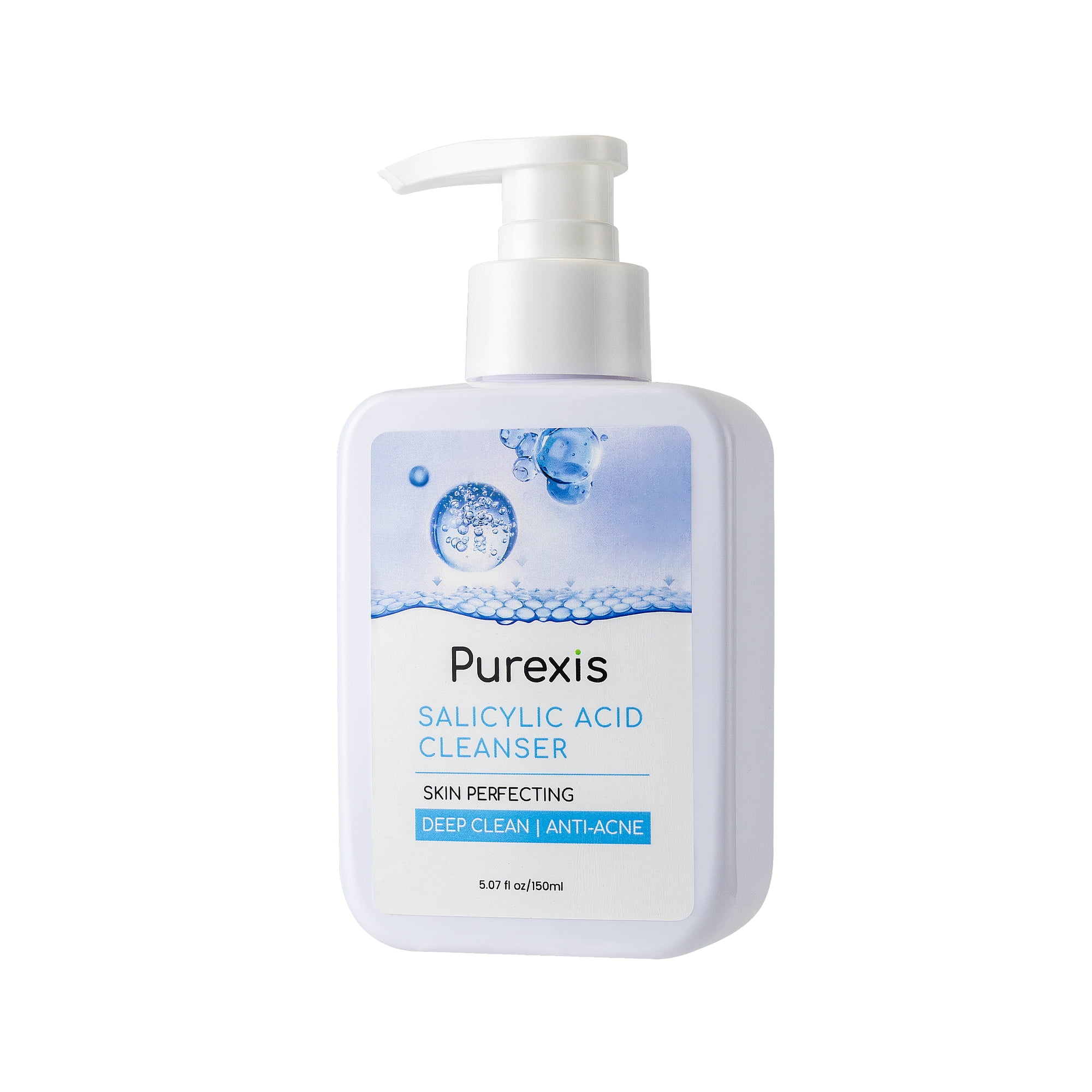
1. Cleanser
Use a gentle foaming or gel cleanser that removes surface grime without stripping natural oils. A mild cleanser keeps the skin barrier intact, which is essential for a firming routine.
2. Exfoliate
Incorporate a chemical exfoliant, such as a low‑concentration alpha‑hydroxy acid (AHA) or beta‑hydroxy acid (BHA), 2–3 times a week. This step removes dead cells, encourages cell turnover, and helps reduce the look of fine lines.
3. Tone
A hydrating toner helps restore pH balance and pre‑prepares the skin for the following treatment products. Look for alcohol‑free formulas with soothing ingredients.
4. Treatment
Apply a serum or eye cream containing ingredients that support collagen production and skin elasticity. Retinol, peptides, vitamin C, hyaluronic acid, and niacinamide are popular choices.
5. Moisturizer
A rich moisturizer seals in hydration and supports the skin’s repair processes. Select a formula that suits your skin type and contains supportive ingredients for fine lines.
6. Sun Protection
Finish with a broad‑spectrum SPF 30 or higher every morning. UV exposure is a major culprit in premature aging and the formation of new fine lines.
Step‑by‑Step Morning Routine
- Cleanse – 30‑second wash with lukewarm water.
- Tone – 15‑second spritz onto a cotton pad.
- Serum – 2–3 drops of a vitamin C or peptide serum.
- Eye Cream – gentle patting around the orbital bone.
- Moisturizer – a lightweight lotion or gel for daytime use.
- SPF – apply a generous layer and reapply every 2 hours if outdoors.
Step‑by‑Step Evening Routine
- Double Cleanse – first with an oil cleanser, then the gentle foaming cleanser.
- Exfoliate – 2–3 times a week, use a gentle AHA or BHA.
- Tone – same as morning.
- Treatment – apply a retinol or peptide serum.
- Eye Cream – apply more liberally than in the morning.
- Moisturizer – richer, overnight formula to support skin repair.
Key Ingredients to Target Fine Lines
Retinol
Retinol is a form of vitamin A that may boost collagen production and accelerate cell turnover. Start with a low concentration (0.25%) and gradually increase to avoid irritation.
Peptides
Peptides are short chains of amino acids that act as building blocks for collagen. They can help firm the skin and smooth fine lines over time.
Vitamin C
As a potent antioxidant, vitamin C may protect skin from oxidative stress and support collagen synthesis. Choose a stable formulation for maximum benefit.
Hyaluronic Acid
Hyaluronic acid attracts and retains moisture, giving the skin a plump appearance that reduces the visibility of fine lines.
Niacinamide
Niacinamide improves skin barrier function, reduces inflammation, and may lessen the look of fine lines when used consistently.
Lifestyle Factors That Influence Fine Lines
- Sleep – Aim for 7–9 hours per night to allow natural repair processes.
- Hydration – Drink at least 8 cups of water daily to keep skin supple.
- Nutrition – Incorporate foods rich in antioxidants, omega‑3 fatty acids, and vitamins A, C, and E.
- Stress Management – Practice mindfulness, yoga, or other calming activities to reduce cortisol spikes that can degrade collagen.
- Avoid Smoking – Smoking introduces free radicals that accelerate fine line formation.
Common Mistakes in a Skincare Routine for Fine Lines
- Over‑exfoliating – This can damage the barrier and trigger more fine lines.
- Skipping sunscreen – UV rays are the leading external factor for line development.
- Using harsh cleansers – These may strip essential oils and weaken the skin’s protective layer.
- Inconsistent application – Skipping nights or days leads to uneven results.
- Neglecting the eye area – The skin around the eyes is thinner and more prone to lines.
How to Build and Adapt Your Routine
Start with the core steps and add one new product at a time. Patch test each addition and observe how your skin reacts over 2–4 weeks. If irritation occurs, revert to the previous product before reintroducing.
For more guidance on selecting suitable formulations, visit Healthy Skin World.
Additional Tips for Smoother Aura
- Use a sheet mask once a week to give an instant hydration boost.
- Consider professional treatments like micro‑needling or radiofrequency in consultation with a dermatologist; these may accelerate collagen production.
- Maintain a consistent sleep schedule to support nighttime-slumber repair cycles.
- Keep your phone and pillowcase clean to avoid bacterial transfer that can irritate skin.
FAQ
- Skincare routine for fine lines: What is the most essential step? The cleanser and moisturizer form the foundation, but the treatment step with retinol or peptides often delivers the most visible change.
- Can I use retinol every night? Start with every other night, then gradually increase frequency as your skin tolerates it.
- How long before I see results? With consistent use, many people notice improvements after 4–6 weeks, though deeper lines may take longer.
- Should I use a separate eye cream? Yes, the skin around the eyes is thinner; a dedicated eye cream can address puffiness and fine lines more effectively.
- What if I have sensitive skin? Choose fragrance‑free products, start with lower concentrations of active ingredients, and consider consulting a dermatologist.
For a deeper dive into how collagen works in the skin, see Collagen on Wikipedia.
Leave a Reply