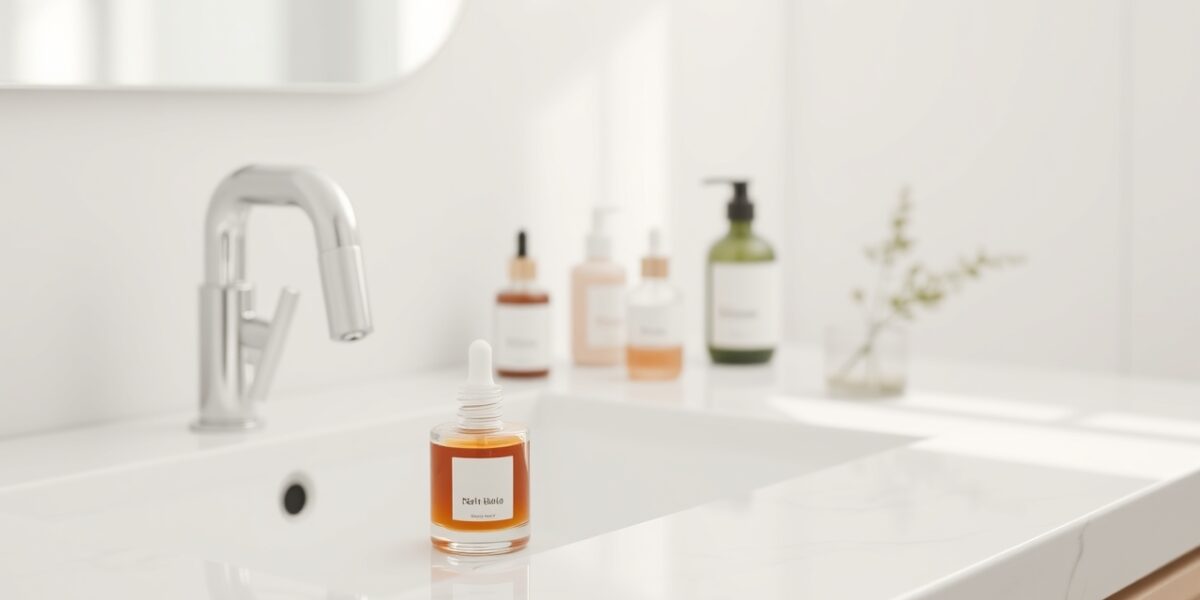
Can you use retinol and niacinamide together? The answer is yes, with a few key considerations. Both ingredients are powerhouses in modern skincare, but they act differently and can feel intimidating when mixed. This guide walks you through the science, the practical steps, and the safety tips so you can confidently layer them for clearer, smoother skin.
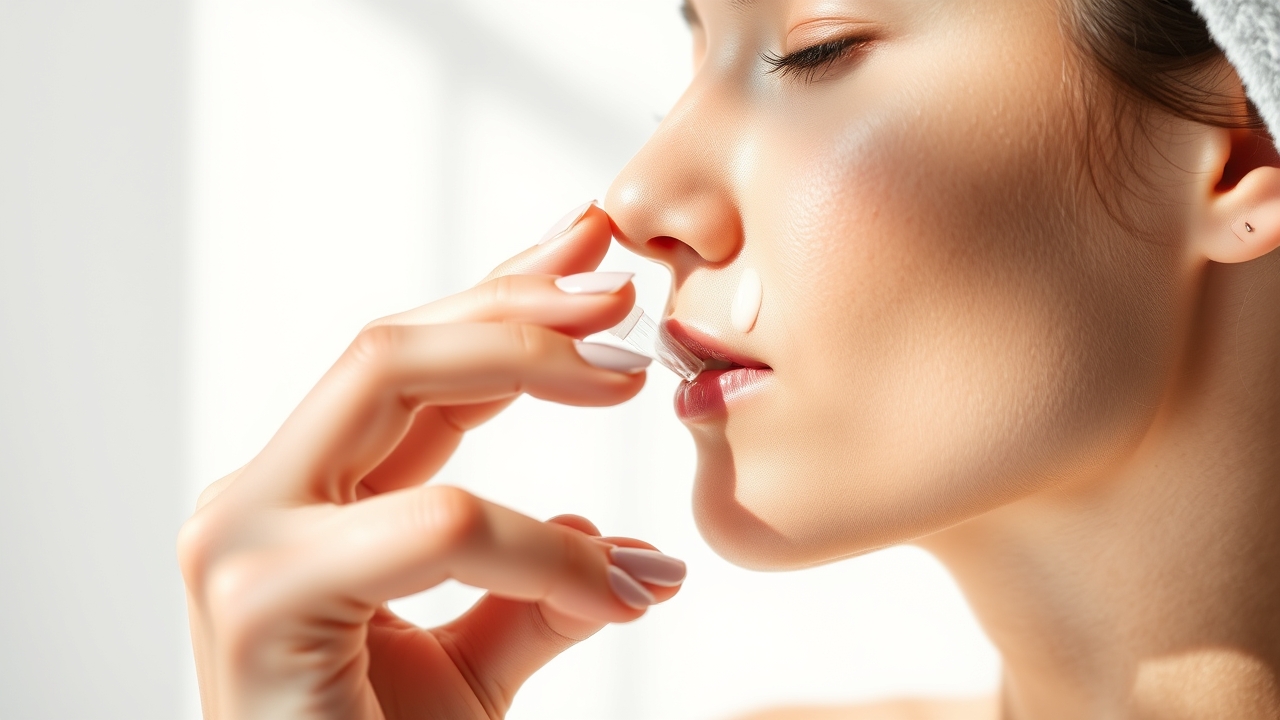
Can you use retinol and niacinamide together?
Retinol, a form of vitamin A, accelerates cell turnover, boosts collagen, and smooths fine lines. Niacinamide, or vitamin B3, soothes inflammation, tightens pores, and strengthens the skin barrier. Because they target distinct pathways, many dermatologists recommend combining them. However, the timing and order of application matter to prevent irritation and preserve efficacy.
Understanding the Ingredients
Retinol is a potent oxidizing agent that penetrates the epidermis and dermis, encouraging new, healthy cells. Its high demanda for active molecules can trigger redness or flaking if introduced too abruptly. Niacinamide is a mild, water‑soluble vitamin that works at the surface, calming the skin and regulating sebum production. When used together, the anti‑inflammatory properties of niacinamide can buffer the potential irritation from retinol.


Layering Actives: The Do’s and Don’ts
- Do: Apply the lighter, water‑based product first. Niacinamide serums are usually lightweight, so they should be the initial layer.
- Do: Wait 30‑60 seconds before adding the next layer to allow absorption.
- Do: Use a pea‑size amount of retinol; excess can overwhelm the skin.
- Don’t: Mix the two in the same bottle; keep them separate until application.
- Don’t: Over‑exfoliate with physical scrubs or acids on the same night as retinol.
Retinol Niacinamide Routine: A Step‑by‑Step Example
Below is a sample nighttime routine that balances efficacy and comfort. Adjust the timing based on your skin’s tolerance.
- Cleanse with a gentle, sulfate‑free cleanser.
- Pat dry and apply a thin layer of niacinamide serum. Let it absorb for 30 seconds.
- Follow with 2–3 drops scrutinized retinol serum. If you’re new, start with a lower concentration (0.1%–0.3%).
- Seal the actives with a lightweight moisturizer containing ceramides.
- Finish with a broad‑spectrum sunscreen during the day.
Mixing Skincare Ingredients: When It’s Safe
Skincare ingredients can be compatible or conflicting. The key is to look at pH, solubility, and mechanism. Niacinamide is stable at pH 5–7, while retinol also prefers a neutral to slightly acidic environment. Because they share a similar pH range, they can coexist without degrading each other. The main concern is irritation, which can be mitigated by proper layering and gradual introduction.
Common Concerns and How to Address Them
- Redness or Burning: If you experience this, reduce retinol frequency to once or twice a week and increase niacinamide usage to soothe.
- Flaking: Keep a hydrating moisturizer in the routine. A barrier cream can help.
- Pore Diminution: Niacinamide’s sebum‑regulating effect will gradually tighten pores, while retinol’s collagen boost will smooth the texture.
- Time Constraints: You can swap the order if you’re short on time—apply retinol first, wait, then add niacinamide. The benefits remain, though the soothing effect of niacinamide will be slightly delayed.
Scientific Insight: Retinol and Niacinamide Interaction
Research published in the Retinol article indicates that retinol’s oxidative action can be moderated by antioxidants. Niacinamide, while not a classic antioxidant, stabilizes the skin’s barrier and reduces oxidative stress markers. This synergy helps maintain cellular health without triggering excessive irritation.
When to Skip Niacinamide
If you have extremely sensitive skin or a history of allergic reactions to vitamin B3, you might skip niacinamide for a few weeks after starting retinol. Once the skin adapts, reintroduce niacinamide gradually.
Choosing the Right Concentrations
Retinol concentrations range from 0.1% to 1%. For beginners, start at 0.1% and work your way up. Niacinamide is typically 5%–10%; 5% is gentle and effective for most skin types. High concentrations can cause mild irritation, especially when layered with retinol.
Night vs. DayCycles
The best time to apply retinol is at night because it can increase photosensitivity. Niacinamide, however, can be used both day and night. If you prefer a simpler routine, apply niacinamide in the morning and retinol at night.
Hydration: The Secret to a Balanced Routine
Retinol can dry out the skin, so always follow up with a moisturizer containing humectants like glycerin or hyaluronic acid. A well‑hydrated barrier reduces the likelihood of redness and flaking.
Building a Retinol & Niacinamide Routine Over Time
Start with a low frequency: 2 nights per week. Monitor how your skin responds. If irritation subsides, increase to 4 nights. Keep niacinamide daily to maintain barrier support.
Common Questions About Retinol and Niacinamide
- Can I use them on acne-prone skin? Yes, but start slowly. Niacinamide helps reduce inflammation, while retinol can unclog pores.
- Will they interfere with each other’s benefits? No, when layered correctly, they complement each other.
- What if I notice increased sensitivity? Reduce retinol frequency or apply a barrier cream first.
- Can I use other actives like vitamin C with this routine? Morning vitamin C followed by sunscreen is ideal; avoid combining with retinol at night.
Final Thoughts: Embrace the Combination Wisely
Retinol and niacinamide together can transform your skin’s texture, tone, and resilience. The key is patience, gradual introduction, and listening to your skin’s signals. If you remain consistent and follow the layering guidelines, you’ll notice smoother, brighter, and more balanced skin over time jumpstart your journey to a healthier complexion.
Choosing the Right Formulations and Concentrations
Not all retinol and niacinamide products are created equal. Look for formulations that match your skin type and concerns.
Serum vs. Cream vs. Oil
Serums are lightweight, water‑based, and ideal for delivering high concentrations of actives. Creams add occlusive agents for extra moisture, while oils are best for very dry or mature skin. If you’re new to retinol, start with a serum to avoid overwhelming the skin.
pH and Stability
Both retinol and niacinamide thrive around pH 5–7. Products labeled “pH balanced” or “acid-free” are safer for sensitive skin. Avoid mixing retinol with highly acidic products like AHA serums on the same night to prevent pH disruption.
Common Mistakes and How to Avoid Them
Overloading the Skin
Using too many actives at once can lead to irritation. Stick to the two core actives—retinol and niacinamide—until you’re comfortable before adding more.
Skipping Moisturizer
A moisturizer acts as a buffer and hydrates the skin barrier. Skipping it can amplify redness and flaking.
Using Physical Exfoliants
Scrubs and micro‑abrasion can damage the barrier and amplify retinol’s effects. Reserve mechanical exfoliation for days when you’re not using retinol.
Integrating Other Actives Safely
Vitamin C
Vitamin C is most effective in the morning. Apply it before sunscreen and keep retinol for nighttime. If you prefer a single serum, choose a formulation that contains both C and niacinamide, but avoid adding retinol to the same bottle.
AHAs/BHAs
Alpha and beta hydroxy acids can increase cell turnover. Use them 2–3 times a week, but not on the same nights as retinol. Pair them with niacinamide on alternate days to soothe the skin.
Peptides
Peptides support collagen production. They can be layered under or over retinol, but always test for irritation. A peptide moisturizer can be a great buffer before retinol.
Personalizing Your Routine
Sensitive Skin
Start with 0.1% retinol and 5% niacinamide. Apply retinol every other night and keep the rest of the nights moisturized.
Acne‑Prone Skin
Niacinamide’s anti‑inflammatory properties help calm breakouts. Retinol can unclog pores but may cause initial breakouts—monitor and adjust frequency.
Hyperpigmentation
Niacinamide questo helps fade dark spots, while retinol speeds up cell turnover. Combine them with a brightening serum in the morning for best results.
Monitoring Progress and Adjusting
Skin Diary
Record how your skin reacts each night. Note redness, dryness, or improvement. A diary helps spot patterns and informs tweaks.
Patch Testing
Apply a small amount of retinol to your jawline or behind the ear. Wait 24 hours to confirm no adverse reaction before full application.
Frequency Tweaks
If you notice persistent irritation, reduce retinol to once a week. If your skin tolerates well, increase to 5–6 nights. Niacinamide can remain daily.
Case Study: 30‑Day Transformation
Jane, a 32‑year‑old with mild acne and uneven tone, started with 0.1% retinol and 5% niacinamide nightly. After 4 weeks, her pores were visibly smaller, fine lines were softened, and her breakouts decreased by 30%. She noted the routine was gentle, and her skin felt supple. By month two, she increased retinol to 0.3% and added a peptide moisturizer, seeing further brightening and resilience.
Final Thoughts
Consistency is Key
Results from retinol and niacinamide take time. Stick to the routine, even if you don’t see immediate changes.
Long‑Term Benefits
With regular use, expect smoother texture, reduced fine lines, clearer pores, and a more even tone. The duo also supports a stronger barrier, protecting against environmental stressors.
When to Seek Professional Advice
If you experience severe redness, blistering, or persistent breakouts, consult a dermatologist. A professional can recommend tailored concentrations or adjunctive treatments.
FAQ
- Can you use retinol and niacinamide together? Yes, you can use them together, but it’s best to apply niacinamide first, wait a minute, then add retinol. This order helps reduce irritation.
- What’s the best routine for combining retinol and niacinamide? Cleanse, apply niacinamide serum, wait 30‑60 seconds, then apply retinol serum, followed by a moisturizer and sunscreen.
- Can I use retinol and niacinamide during pregnancy? It’s advisable to consult a healthcare professional; some experts suggest avoiding retinol due to its potent nature.
- Will using retinol and niacinamide together cause more breakouts? Initially, you might see some breakouts as the skin adjusts. This is normal; continue the routine and give it time.
- How long before I see results from this combo? Visible improvements often appear after 4–6 weeks of consistent use.
- Can I layer other actives like vitamin C or AHAs with this routine? Morning vitamin C is fine, but avoid mixing it with retinol at night. Use AHAs/BHAs on alternate nights from retinol and pair them with niacinamide to soothe.
- What if my skin becomes irritated? Reduce retinol frequency, increase moisturizer usage, or add a barrier cream. If irritation persists, stop retinol and consult a dermatologist.
- Is it safe to use retinol and niacinamide on sensitive skin? Yes, but start with the lowest concentrations and gradually build tolerance. Use a gentle cleanser and a rich moisturizer.
- Can I use retinol and niacinamide on my face and body? Body skin is thicker; you can apply retinol on body areas like thighs or abdomen, but use a lower concentration and follow with a body moisturizer.
- Does the order of application matter? Applying niacinamide first allows it to calm the skin before retinol’s stronger action. However, if time is limited, applying retinol first and waiting before niacinamide still works, though the soothing breakup may be slightly delayed.
Leave a Reply