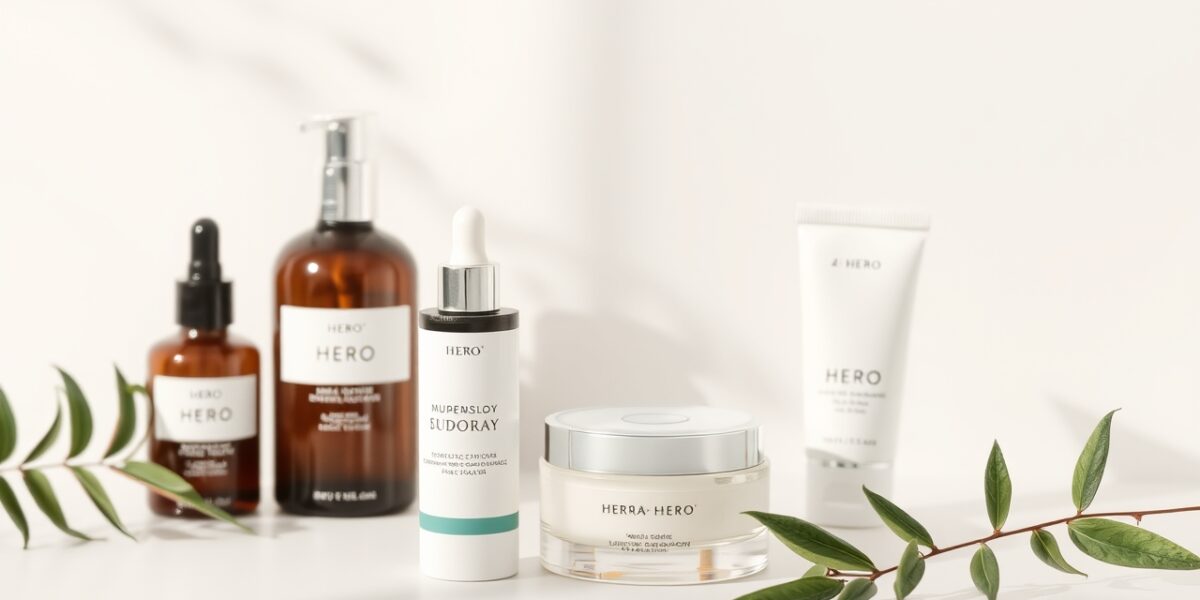
skincare routine for fine lines is more than just a series of products; it’s a lifestyle shift that respects your skin’s biology and supports its natural applicability. Below is a step‑by‑step guide that blends cleansing, hydration, and targeted treatments to reduce the look of fine lines and promote smoother skin.

Skincare Routine for Fine Lines: The Core Steps
Every effective regimen starts with a clear foundation. By paying attention to each stage group—cleansing, exfoliation, toning, serum, eye care, moisturizer, and sun protection—you create a balanced system that supports collagen, elastin, and moisture retention.
1. Gentle Cleansing
- Choose a fragrance‑free, sulfate‑free cleanser that removes surface impurities without stripping natural oils. Example: Cetaphil Gentle Skin Cleanser or La Roche‑Posay Toleriane Hydrating Gentle Cleanser.
- Warm water helps open pores; avoid hot water that can dehydrate and irritate the skin.
- Use a soft washcloth or your fingertips—no harsh scrubbing—to prevent micro‑trauma that can worsen fine lines.
- Pat your face dry with a clean towel; rubbing can create friction and accentuate lines.
2. Exfoliation: Chemical Over Physical
Physical scrubs can scratch the skin and aggravate lines. Instead, opt for a chemical exfoliant such as a low‑concentration alpha‑hydroxy acid (AHA) or beta‑hydroxy acid (BHA). These acids dissolve dead cells and promote cell turnover, which can reduce fine lines over time.


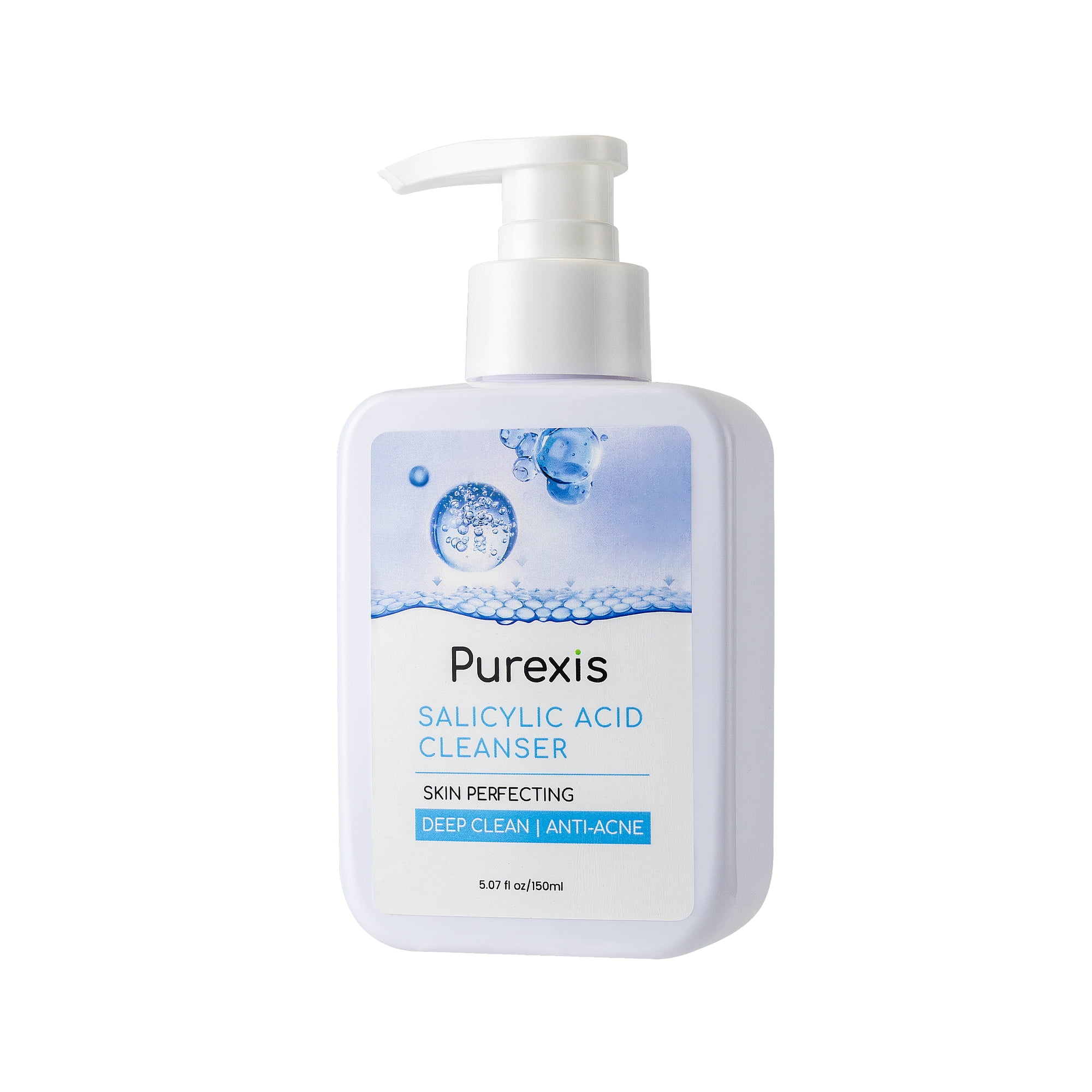
Use a chemical exfoliant 1–2 times a week, or as directed. If you’re new to acids, start with 5% AHA in the evening and monitor how your skin reacts.
For more detailed information on different exfoliating acids, see Chemical exfoliation.
3. Toning: Restore pH and Prep Skin
- Choose an alcohol‑free toner that contains soothing ingredients like aloe, chamomile, or niacinamide.
- Apply with a cotton pad or pat with fingertips to avoid over‑drying.
- Balancing the skin’s pH is essential for the next steps to work effectively.
4. Targeted Serums: The Anti‑Aging Routine
Serums are concentrated formulas that deliver active ingredients deep into the skin. For fine lines, look for products that contain:
- Peptides: short chains of amino acids that help signal collagen production. Example: The Ordinary “Buffet” or Olay Regenerist Micro‑Fine Peptide Serum.
- Vitamin C: an antioxidant that brightens and supports dermal matrix integrity. Example: Skinceuticals C E Ferulic or La Roche‑Posay Pure Vitamin C10.
- Hyaluronic acid: a humectant that attracts water, giving the skin a plumper appearance. Example: Neutrogena Hydro Boost Hydrating Serum.
Apply a pea‑size amount with gentle tapping motions. Let the serum absorb fully before moving to the next layer.
5. Eye Care: A Delicate Area
- Use a lightweight eye cream that contains peptides or caffeine to reduce puffiness and fine lines. Example: CeraVe Eye Repair Cream or The Ordinary Caffeine Solution 5%.
- Pat rather than rub to avoid pulling on the delicate skin.
- Consider a dedicated eye serum if you have pronounced crow’s feet.
6. Moisturizing: Seal and Strengthen
A good moisturizer locks in the benefits of the previous layers and fortifies the skin barrier. Look for ingredients such as ceramides, glycerin, or squalane. Apply in a circular upward motion to encourage circulation.
- For daytime, a lighter texture like a gel‑cream works well. Example: Clinique Moisture Surge 72H Auto‑Hydrator.
- For nighttime, a richer cream or ointment can provide deeper hydration. Example: CeraVe PM Facial Moisturizing Lotion.
7. Sun Protection: The Ultimate Anti‑Aging Tool
UV radiation is a major contributor to fine lines. Use a broad‑spectrum SPF 30 or higher daily, even on cloudy days. Reapply every two hours if you’re outdoors.
- Mineral sunscreens (zinc oxide or titanium dioxide) are gentle and provide immediate coverage. Example: EltaMD UV Clear Broad‑Spectrum SPF 46.
- Chemical sunscreens absorb UV rays and are often lighter. Example: La Roche‑Posay Anthelios Melt‑In Sunscreen SPF 60.
- Choose a formula that doesn’t clog pores—look for non‑comedogenic labels.
Advanced Tips for a Firming Routine
Once you’ve mastered the basics, you can layer in additional steps that target fine lines more aggressively.
Nightly Retinoid Use
Retinoids (vitamin A derivatives) accelerate cell turnover and stimulate collagen. Start with a low concentration (0.025%–0.05%) and apply 2–3 nights a week, gradually increasing frequency. Products: Differin Gel (adapalene 0.1%) or The Ordinary Retinol 0.2% in Squalane.
Retinoids can cause initial dryness and redness. Pair them with a soothing moisturizer or a hydrating serum to mitigate irritation.
Weekly Mask: Hydration and Firmness
- Hydrating sheet masks: soak the skin in hyaluronic acid and peptides. Example: Garnier SkinActive Moisture Surge Sheet Mask.
- Firming masks: look for ingredients like collagen peptides or plant‑based collagen stimulators. Example: Dr. Jart+ Premium Beauty Mask.
- Use once a week for a boost.
Facial Massage and Tools
Facial massage stimulates lymphatic drainage and improves circulation, which can reduce the appearance of fine lines. Use your fingertips or a jade roller for gentle upward strokes. Tip: Apply a light layer of serum or oil before rolling to reduce friction.
Lifestyle Factors that Amplify Results
- Sleep: aim for 7–9 hours of quality rest to support overnight repair.
- Hydration: drink at least 8 glasses of water daily to maintain skin elasticity.
- Nutrition: a diet rich in antioxidants (berries, leafy greens) and omega‑3 fatty acids (flaxseed, walnuts) supports dermal health.
- Stress Management: chronic stress can increase cortisol, which may accelerate skin aging.
- Exercise: regular movement boosts circulation and helps flush out toxins.
- Avoid smoking and limit alcohol consumption, both of which accelerate collagen breakdown.
Ingredient Deep Dive: What Works for Fine Lines
Understanding the science behind key ingredients helps you choose the right products for your skin type.
Peptides
Peptides act as messenger molecules, signaling fibroblasts to produce more collagen. Look for short sequences like palmitoyl pentapeptide‑4 or Matrixyl® (palmitoyl tetrapeptide‑7). They’re most effective when combined with antioxidants.
Vitamin C
Ascorbic acid (vitamin C) neutralizes free radicals and inhibits melanin production, which brightens skin and improves texture. Use a stable formulation (e.g., L‑ascorbic acid 15–20%) and store it in a dark bottle to preserve potency.
Hyaluronic Acid
Hyaluronic acid exists in multiple molecular weights. Low‑weight molecules penetrate deeper layers, while high‑weight molecules form a surface film that retains moisture. A balanced blend delivers both hydration and plumping.
Retinoids
Retinoids increase collagen synthesis, improve cell turnover, and reduce hyperpigmentation. Tretinoin (prescription) offers the most potent effect, while retinol (over‑the‑counter) is gentler and still effective with consistent use.
Niacinamide
Niacinamide (vitamin B3) strengthens the skin barrier, reduces inflammation, and evens skin tone. It’s a great addition to serums or toners, especially for sensitive skin.
Morning vs. Evening Routine: What to Apply When
Timing can amplify product efficacy. Here’s a quick reference:
- Morning: Cleanse → Tone → Vitamin C serum → Moisturizer → Sunscreen.
- Evening: Cleanse → Exfoliate (if using) → Tone → Retinoid (if using) → Peptide serum → Moisturizer.
Always patch test new products on a small area before full application.
Common Mistakes to Avoid
- Using hot water during cleansing, which strips natural oils.
- Over‑scrubbing or using abrasive scrubs that damage the skin barrier.
- Skipping sunscreen, even on cloudy days.
- Applying too many active ingredients at once, leading to irritation.
- Neglecting the eye area, which is highly susceptible to fine lines.
When to Seek Professional Help
If you notice persistent redness, irritation, or worsening fine lines after consistent use of a routine, consult a dermatologist. They can recommend prescription retinoids, chemical peels, or laser therapies tailored to your skin type.
Frequently Asked Questions (FAQ)
- What is the best way to start an anti‑aging routine? Start with gentle cleansing, a low‑strength chemical exfoliant, and a hydrating serum. Gradually introduce retinoids and masks as your skin tolerates them.
- Can I skip sunscreen if I moisturize? No, moisturizers do not provide adequate UV protection. Sunscreen is essential for preventing photoaging.
- How often should I use a chemical exfoliant? 1–2 times per week is typically sufficient for most skin types. Increase frequency only if your skin shows no irritation.
- Will a firming routine make my skin look tighter? Consistent use of peptides, retinoids, and hydration can improve firmness and reduce the depth of fine lines.
- What lifestyle changes help reduce fine lines? Prioritize sleep, hydration, a balanced diet, stress reduction, and avoid smoking or excessive alcohol.
Remember, consistency is key. Your skin responds best to a steady routine rather than occasional intensive treatments. By following this simple, science‑backed regimen, you’ll see a smoother, more youthful complexion over time. For more in‑depth guidance, visit Healthyskinworld.com and explore our full range of skin‑care insights.
Leave a Reply