
How to get rid of blackheads without stripping your skin is a quest that many of us share. The desire to clear pores often leads to harsh scrubs or over‑exfoliation, but a gentler ders is not only kinder to the skin but also more sustainable.
Understanding Blackheads
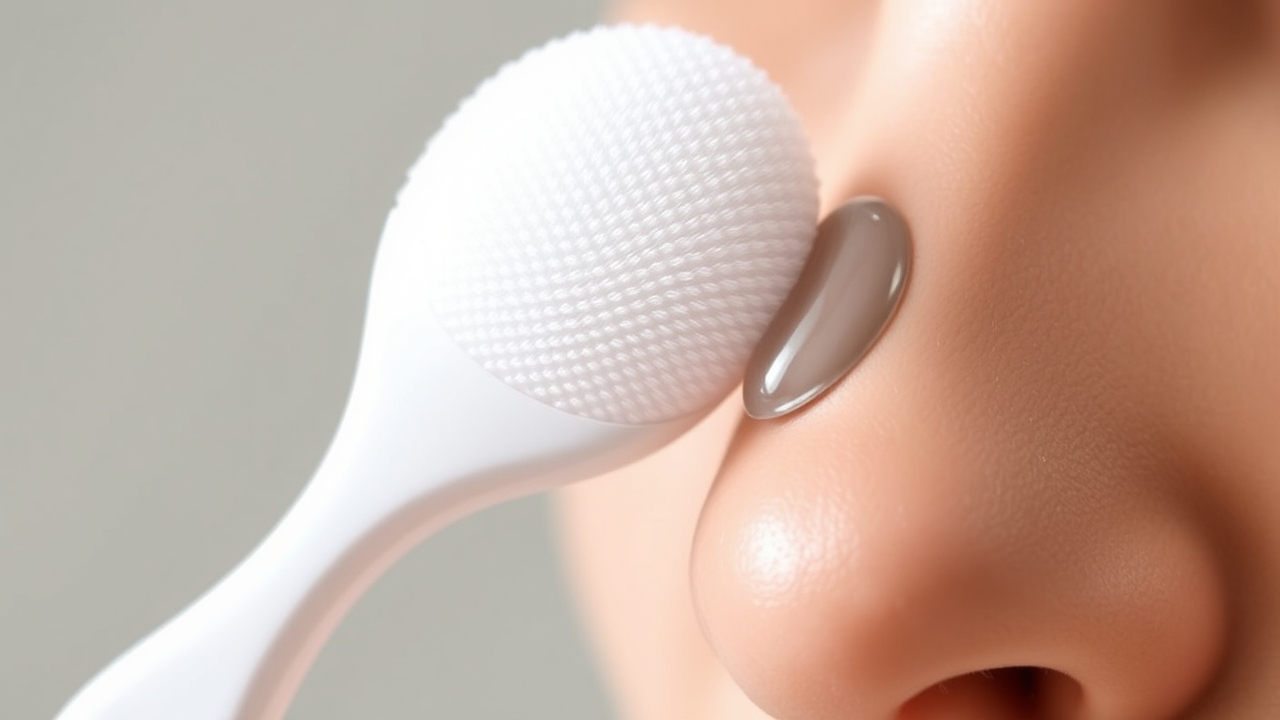
Blackheads are open comedones, formed when dead skin cells, sebum, and bacteria clog a pore. The pore stays open, allowing oxidation of the trapped material, which gives the classic black appearance. Knowing this helps you choose treatments that target the root cause instead of merely masking the symptom.
Why Gentle Methods Matter
Many people think that a strong scrub or a heavy chemical peel is the fastest way to clear blackheads. In reality, over‑aggressive cleansing can thin the skin’s barrier, increase oil production, and lead to rebound congestion. A balanced routine that maintains the skin’s natural defenses is the most effective way to get rid of blackheads over the long term.


Choosing the Right Cleansing Strategy
Double Cleansing for Sensitive Skin
Double cleansing—first with an oil‑based cleanser to dissolve sebum and makeup, followed by a gentle foaming or gel cleanser—removes impurities without over‑scrubbing. This method is especially useful for those who wear heavy makeup or sunscreen daily.
Sulfate‑Free vs. Micellar Water
Sulfates can strip the skin’s natural oils, causing the sebaceous glands to overcompensate. Micellar water, on the other hand, uses micelles to lift dirt while preserving moisture. For blackhead‑prone skin, a sulfate‑free cleanser paired with a micellar water rinse offers a balanced approach.
Step‑by‑Step Routine
1. Cleansing – Choose a Blackhead Face Wash
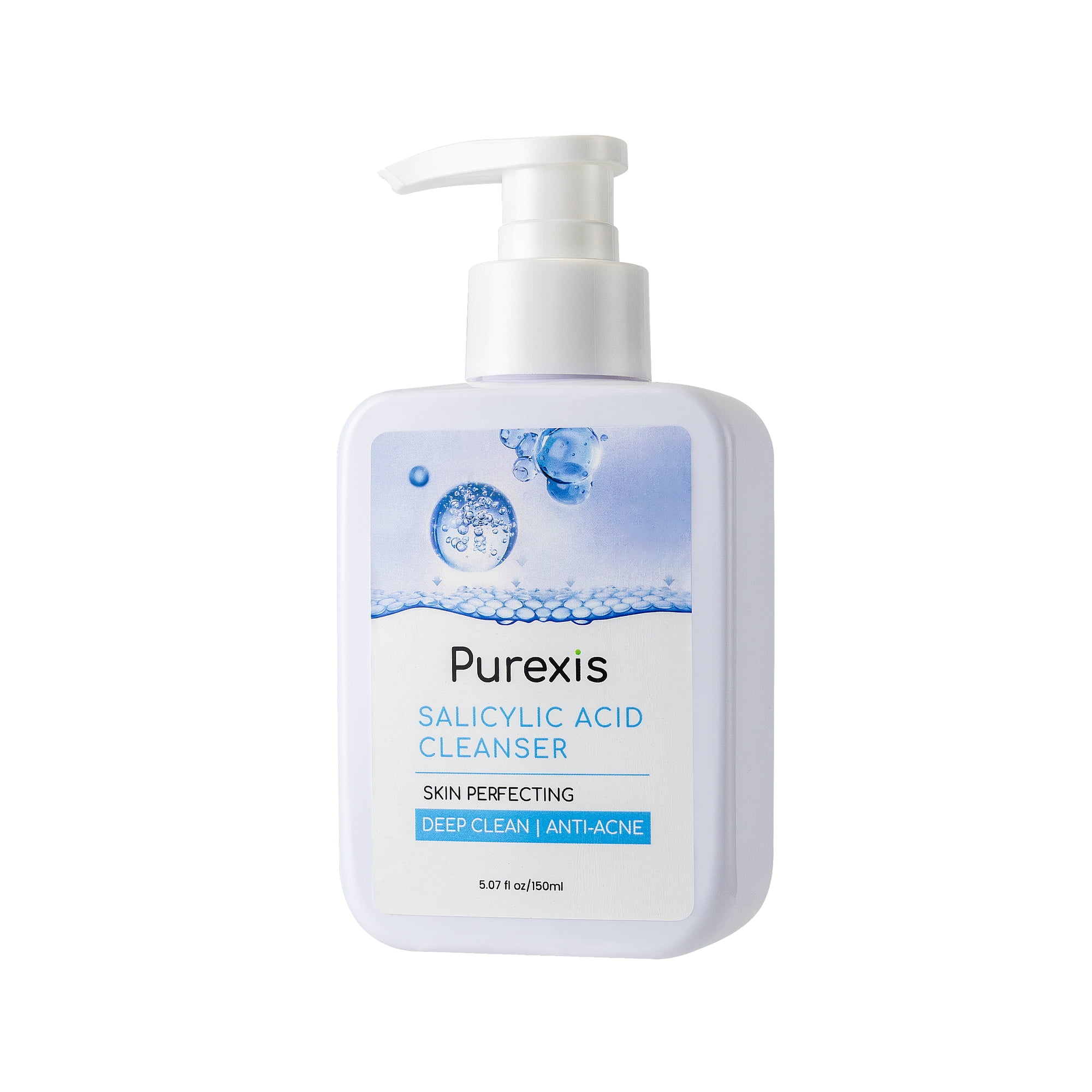
Start with a gentle, sulfate‑free cleanser that removes excess oil without stripping essential moisture. A blackhead face wash is formulated to dissolve surface debris and sebum, making the skin ready for the next step. Use lukewarm water and massage for 30–45 seconds, then rinse thoroughly.
2. Exfoliating – BHA for Pores
Salicylic acid, a beta hydroxy acid (BHA), is oil‑soluble, allowing it to penetrate the pore and dissolve the inner buildup. A 1–2% salicylic acid solution applied once or twice a week can help unclog pores without over‑drying the skin. This gentle exfoliation is key to learning how to get rid of blackheads without causing irritation.
For those who prefer a more natural approach, a clay mask can absorb excess oil and pull impurities to the surface. Use a light, non‑comedogenic clay mask once a week, focusing on the T‑zone where blackheads are most common.
3. Moisturizing – Keep the Barrier Intact
After cleansing and exfoliating, apply a lightweight, non‑comedogenic moisturizer. Look for ingredients like hyaluronic acid or glycerin, which attract water without clogging pores. Moisturizing helps keep the skin barrier healthy, reducing the tendency for excess oil production that fuels blackheads.
4. Sun Protection – Shield the Skin
Daily sunscreen protects against UV‑induced damage that can lead to deeper pore congestion. A broad‑spectrum SPF 30 or higher, applied every morning, helps maintain the skin’s resilience and supports your efforts to get rid of blackheads.
Targeted Ingredients
Salicylic Acid for Blackheads
Salicylic acid is the most researched ingredient for treating blackheads. Itestres the pore walls, dissolving the keratin plug that causes the black appearance. Use a 1–2% concentration to balance effectiveness with safety. Apply after cleansing and before moisturizing, allowing the product to absorb for a few minutes.
BHA for Pores – A Deeper Look
While salicylic acid远 is the most common BHA, other BHA derivatives can also be beneficial. They work by dissolving sebum and dead skin cells within the pore, thereby reducing the formation of new blackheads. When choosing a BHA product, ensure it is formulated for sensitive skin if you have a history of irritation.
Clay Masks – Natural Extraction
Clay masks, especially those containing kaolin or bentonite, absorb oil and lift impurities from the skin’s surface. They are ideal for a weekly “reset” routine, helping to keep pores clear without the need for harsh scrubs. Apply to the nose and chin, where blackheads often accumulate, and rinse after 10–15 minutes.
Lifestyle Factors That Influence Blackheads
Beyond topical care, certain lifestyle habits can either help or hinder your ability to get rid of blackheads:
- Nutrition: A balanced diet rich in vitamins A, C, and E supports skin health. Limiting sugary foods can reduce oil production.
- Hydration: Drinking adequate water keeps the skin hydrated and supports the barrier function.
- Sleep: Aim for 7–9 hours per night; sleep deprivation can increase stress hormones that stimulate oil glands.
- Stress Management: High stress levels can trigger hormonal changes that promote sebum production. Techniques like meditation or gentle exercise can help.
- Hygiene: Regularly changing pillowcases and cleaning makeup brushes reduces the transfer of bacteria and oils to the skin.
When Professional Help Is Needed
If you find that blackheads persist despite a consistent routine, consider consulting a dermatologist. Professional treatments such as chemical peels, microdermabrasion, or extraction can provide deeper cleansing while preserving skin health. Remember, the goal is to learn how to get rid of blackheads while maintaining a balanced complexion.
For more detailed information about how salicylic acid works on the skin, you can read the Wikipedia article on salicylic acid. For a broader perspective on skin care best practices, visit Healthy Skin World.
FAQ
How to get rid of blackheads: Is it safe to use a harsh scrub daily?
Using a harsh scrub every day can damage the skin barrier, leading to increased oil production and more blackheads. It’s better to use a gentle cleanser and limit exfoliation to 1–2 times per week.
Can I use a blackhead face wash every morning?
Yes, a mild blackhead face wash is suitable for daily use. Pair it with a light moisturizer to keep the skin balanced.
What’s the difference between salicylic acid and other BHAs?
Salicylic acid is the most common BHA for treating blackheads because it dissolves sebum inside the pore. Other BHAs may have different solubility or skin‑soothing properties, but salicylic acid remains the gold standard for pore cleansing.
Will using a clay mask cause my skin to become dry?
Clay masks can be drying if overused. Limit them to once a week and follow with a hydrating moisturizer.
Is it okay to almoço use BHA and retinoids together?
Using BHA and retinoids at the same time can increase irritation. It’s safer to alternate days or use the retinoid at night and the BHA in the morning.
Leave a Reply