
Salicylic acid cleanser for oily skin is a powerful ally for those who struggle with excess shine, clogged pores, and occasional breakouts. By gently exfoliating the surface and targeting the oil‑producing glands, it can help you achieve a clearer, smoother complexion without the harshness of traditional scrubs.
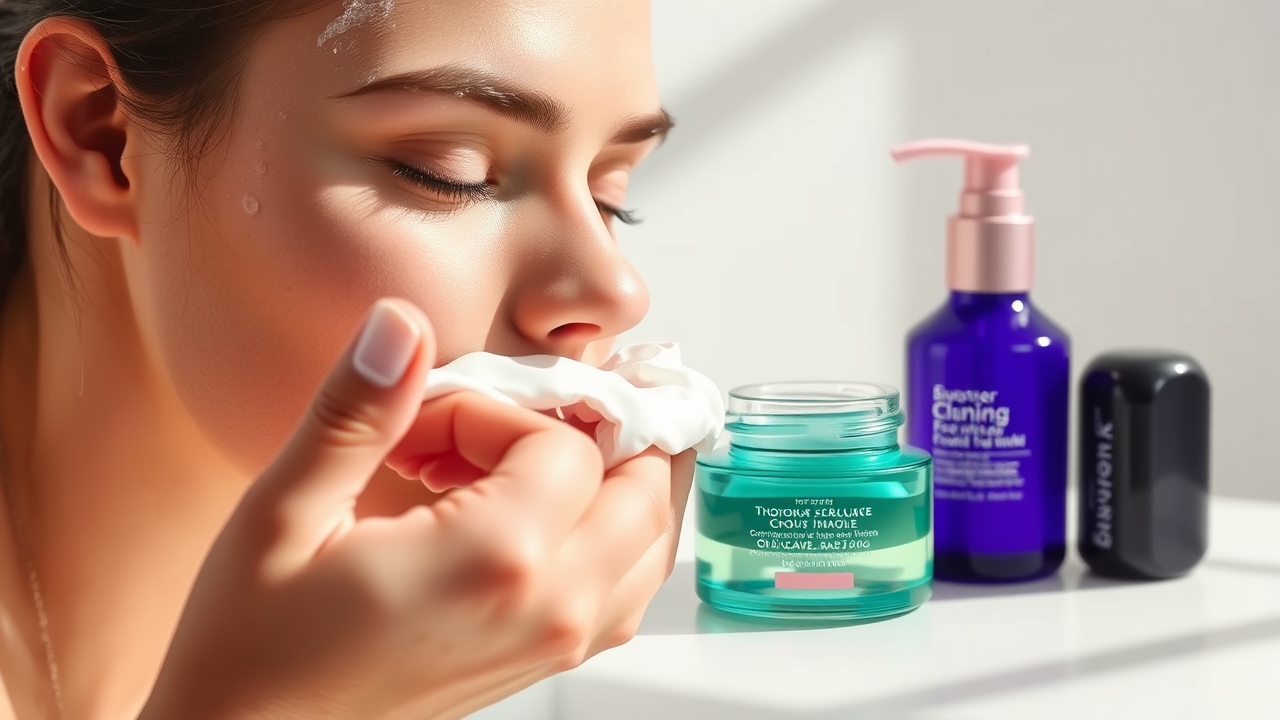
Why Salicylic Acid Works for Oily Skin
Salicylic acid is a beta‑hydroxy acid (BHA) that dissolves the bonds between dead skin cells, allowing them to slough away naturally. Because it is oil‑soluble, it penetrates deeper into the follicular lining than water‑soluble alpha‑hydroxy acids. This unique property makes it especially effective for oily skin, where excess sebum can trap impurities and create a breeding ground for bacteria.
Salicylic Acid Benefits
- Reduces excess sebum production
- Exfoliates dead skin cells from inside the pore
- Has mild anti‑inflammatory properties
- Can improve the appearance of acne lesions over time
- Leaves skin feeling smoother and less greasy
These benefits combine to give a clearer, more even skin tone while maintaining the natural moisture barrier.


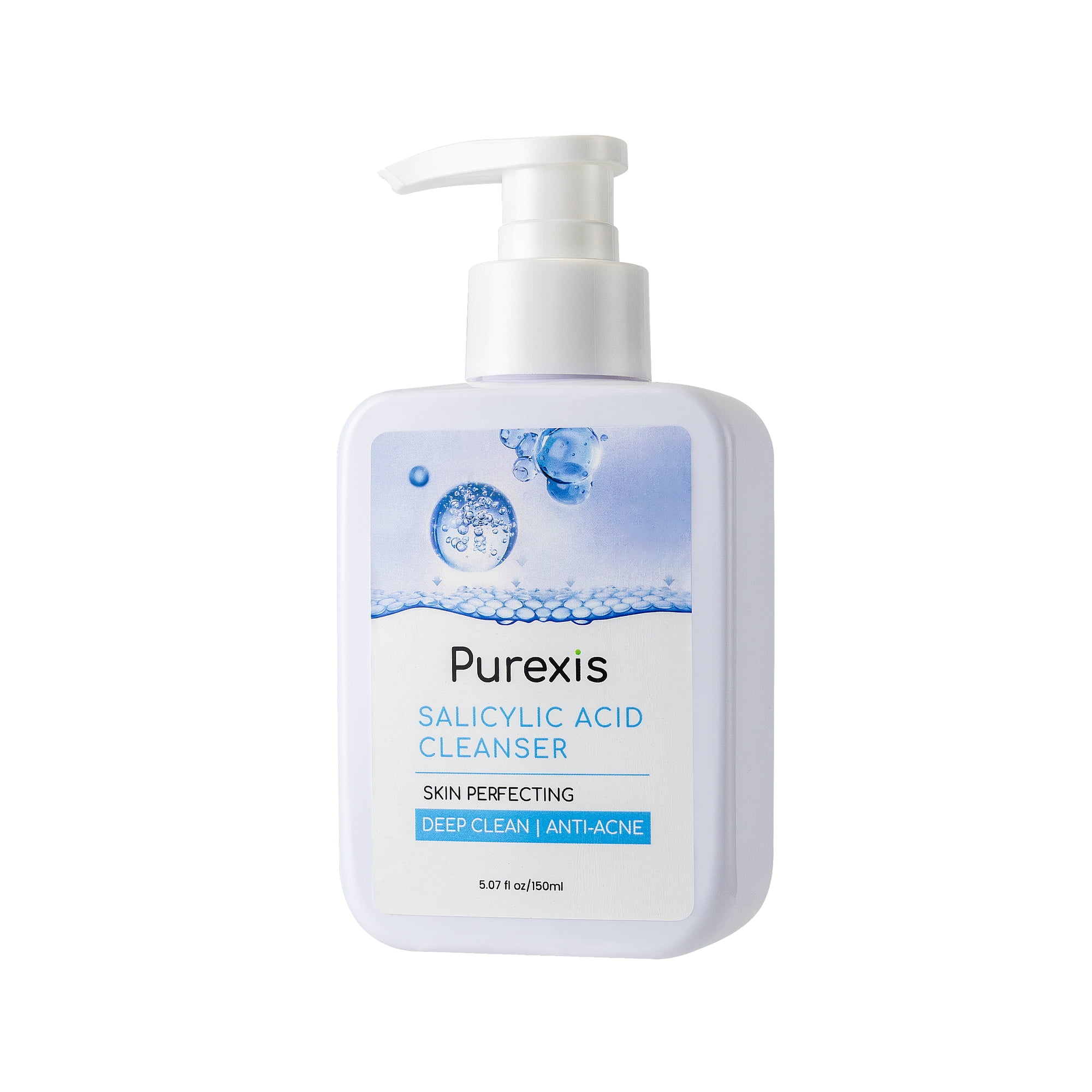
Choosing the Right Cleanser
When looking for signatures of an effective salicylic acid cleanser for oily skin, consider the following attributes:
- Concentration between 0.5% and 2% for most daily uses
- pH balanced (usually around 5.5) to avoid irritation
- Fragrance‑free and alcohol‑free to reduce dryness or stinging
- Moisturizing ingredients such as glycerin or hyaluronic acid for a balanced feel
- Packaging that protects the formula from light and air
Best Face Wash Oily Skin
Among the products that fit the profile, the most common and widely recommended are those that combine salicylic acid with gentle surfactants. A balanced formulation will cleanse without stripping the skin’s protective layer, which can paradoxically trigger more oil production.
How to Use a Salicylic Acid Cleanser for Oily Skin
Incorporating this cleanser into your routine is straightforward. Follow these steps to maximize benefits while minimizing irritation:
Step 1 – Prep Your Skin
- Wash your hands thoroughly.
- Remove any makeup or sunscreen with a gentle micellar water or oil‑based remover.
- Pat your face dry with a clean towel.
Step 2 – Apply the Cleanser
- Dispense a dime‑sized amount onto damp skin.
- Use your fingertips to massage in circular motions, focusing on the T‑zone and any areas prone to breakouts.
- Continue for 30–60 seconds. Avoid scrubbing too hard; the BHA will do the work.
Step 3 – Rinse Thoroughly
- Rinse with lukewarm water, ensuring no residue remains.
- Pat your face dry gently; do not rub.
Step 4 – Follow With a Lightweight Moisturizer
- Choose a non‑comedogenic, oil‑free moisturizer to lock in hydration.
- Apply a thin layer, focusing on areas that feel slightly tight after cleansing.
Step 5 – Protect During the Day
- Use a broad‑spectrum SPF 30 or higher to block UV rays that can worsen acne and hyperpigmentation.
- Reapply every two hours if you’re outdoors.
How Often Should You Use It?
For most users, a twice‑daily routine works well. If your skin is very sensitive, start with once daily and observe how it reacts. Over‑use can lead to dryness or irritation, especially if you combine it with other active ingredients like retinoids or vitamin C in the same routine.
Common Concerns About Using Salicylic Acid
- Will it cause dryness or peeling?
It may, especially at higher concentrations. A gradual introduction helps your skin adapt. - Can it trigger breakouts?
Occasionally, the initial “purge” can happen as clogged pores flush out, but this usually subsides within a few weeks. - Is it safe for sensitive skin?
Many people with sensitive, oily skin find it tolerable, especially when the formula is fragrance‑free. - Will it interfere with other products?
It generally works well with most moisturizers and sunscreens. Avoid using it with strong exfoliants (like AHAs) on the same day.
What Makes a Cleanser For Clogged Pores Stand Out?
A cleanser that targets clogged pores often contains a blend of salicylic acid with other pore‑clarifying agents such as niacinamide or zinc. These ingredients help balance oil production and soothe inflammation, creating a comprehensive approach to pore health.
Oily Skin Face Wash: Other Ingredients to Look For
While salicylic acid is the star, other components can enhance results:
- Niacinamide: improves barrier function and reduces redness.
- Zinc PCA: helps regulate sebum and has mild antibacterial effects.
- Green tea extract: provides antioxidant support.
- Glycerin: offers gentle hydration without clogging pores.
Integrating the Cleanser Into a Full Routine
Here’s a sample daily regimen that keeps the skin balanced and clear:
- Morning: Salicylic acid cleanser → lightweight moisturizer → SPF 30+ sunscreen.
- Evening: Salicylic acid cleanser → hydrating serum (e.g., hyaluronic acid) → non‑comedogenic moisturizer.
On alternate evenings, you might add a gentle exfoliating serum (e.g., 5% glycolic acid) to boost cell turnover, but avoid using it on the same day as the BHA cleanser.
Frequently Asked Questions
- What is the best salicylic acid cleanser for oily skin? A product that balances a 0.5%–2% concentration, is fragrance‑free, and contains soothing ingredients like niacinamide or glycerin tends to perform well.
- Can I use a salicylic acid cleanser if I have acne scars? Yes, the gentle exfoliation can help fade post‑inflammatory hyperpigmentation over time, but always pair it with a suitable moisturizer and sunscreen.
- Will using a salicylic acid cleanser make my skin oily? In most cases, it reduces excess sebum. However, if you notice increased oiliness, consider lowering the frequency or concentration.
- Is it safe to use this cleanser with retinol? You can use them on alternate nights. Using both on the same night may increase irritation.
- How long before I see results? Most users notice smoother skin within 3–4 weeks, while clearer pores and reduced shine may take up to 6 weeks.
For more detailed skin‑care guidance, explore additional resources at Healthy Skin World. And for a deeper dive into the science of salicylic acid, check out the Salicylic acid page.
Leave a Reply