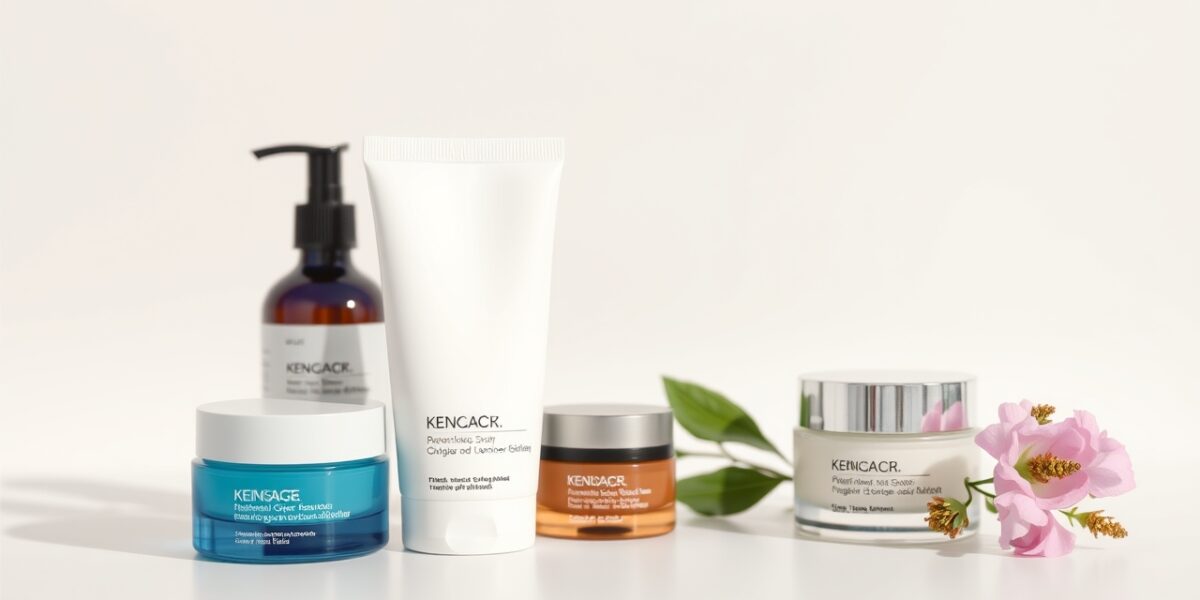
nighttime skincare routine for sensitive skin is a ritual that soothes irritation and promotes healing while you rest. When the sun has set, your skin enters a repair mode that can be amplified by a thoughtful set of steps. Below is a comprehensive guide that balances gentle ingredients with evidence‑based practices, ensuring you wake up with a calmer complexion.
Understanding Sensitive Skin
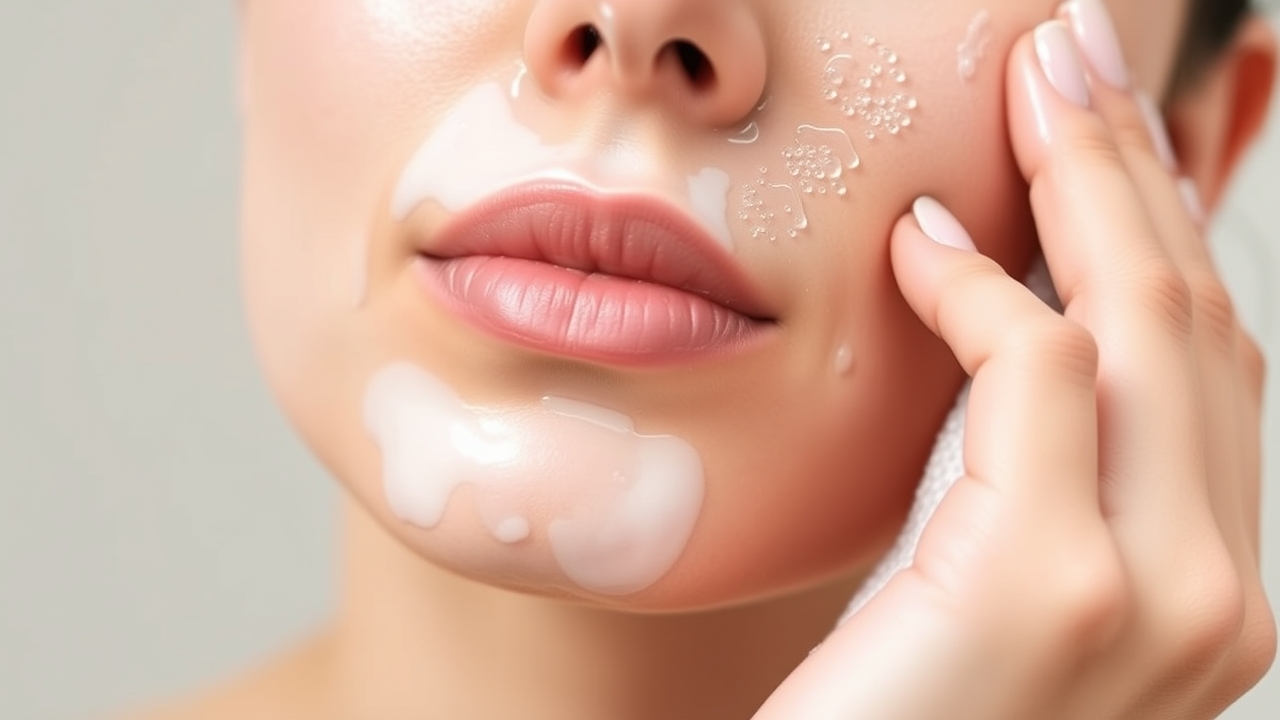
Before diving into the routine, it’s useful to define what sensitive skin feels like. Common triggers include heat, wind, fragrance, and certain actives. Symptoms often manifest as redness, itching, burning, or a tight feeling. Sensitive skin is not a disease; it’s a heightened response that can be managed with the right products and habits.
Key Characteristics
- Rapid reaction to environmental changes (e.g., cold to warm).
- Visible redness or flare‑ups after product use.
- Prone to dryness or oiliness depending on the trigger.
- High sensitivity to fragrance, alcohol, and preservatives.
Why Nighttime Matters
During sleep, the skin’s barrier function is at its peak. The dermis is actively repairing, collagen synthesis increases, and the immune response is heightened. A nighttime routine that respects this natural process can reduce inflammation and speed recovery.


Step 1: Gentle Cleansing
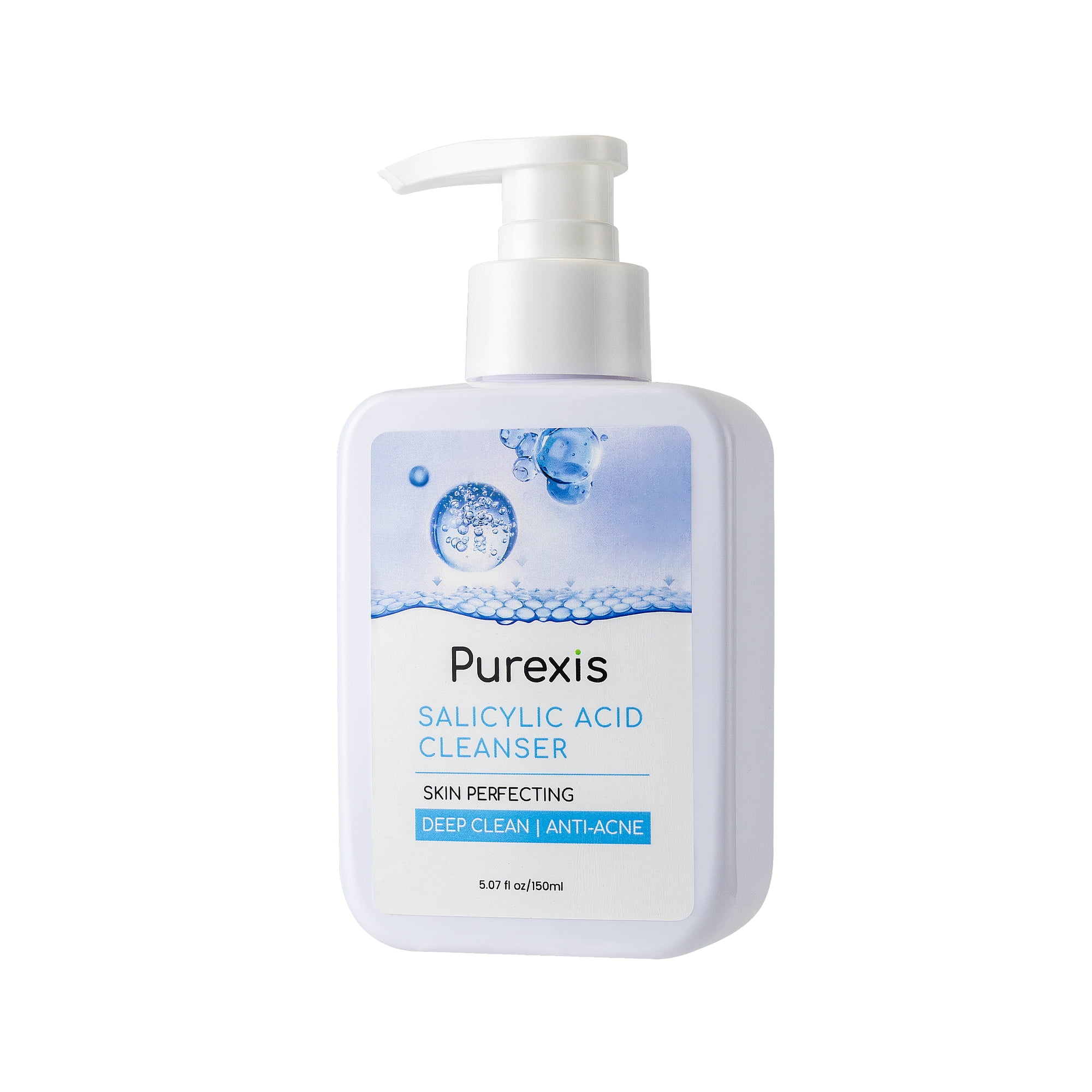
The first barrier you break is the one you want to protect. A fragrance‑free, sulfate‑free cleanser will remove makeup and impurities without stripping the skin’s natural lipids.
Ingredient Checklist
- Glycerin – A humectant that draws water into the skin.
- Panthenol (Vitamin B5) – Reduces inflammation and promotes healing.
- Ceramides – Reinforce the skin barrier.
- Oat extract – Calms irritation.
Product Examples
- La Roche‑Posay Toleriane Hydrating Gentle Cleanser
- Vanicream Gentle Facial Cleanser
- CeraVe Hydrating Cleanser
How to Apply
- Wet face with lukewarm water.
- Apply a dime‑size amount of cleanser.
- Massage in circular motions for 30–45 seconds.
- Rinse thoroughly and pat dry with a clean towel.
Step 2: Hydrating Mist or Toner
After cleansing, the skin is receptive to a light layer of hydration. A hydrating mist or toner that contains soothing agents helps re‑balance pH and prime the skin for subsequent products.
Key Ingredients
- Aloe Vera – Anti‑inflammatory.
- Chamomile Extract – Calms redness.
- Niacinamide (Vitamin B3) – Strengthens barrier and reduces flare‑ups.
Application Tips
- Use a spray bottle for even coverage.
- Let the mist dry naturally; avoid rubbing.
- For toners, use a cotton pad or apply with fingertips.
Step 3: Targeted Treatments (Optional)
Targeted treatments should be chosen with care. For sensitive skin, low concentrations and minimal actives reduce irritation risk.
When to Use
- Post‑acne redness: 1% azelaic acid or 0.5% vitamin C.
- Hyperpigmentation: 0.5% niacinamide or 0.1% tranexamic acid.
- Fine lines: 1% retinol (if tolerated). Test in a small area first.
Patch‑Testing Procedure
- Apply a small amount of the product on the inner forearm.
- Cover with a bandage for 24 hours.
- Check for redness, itching, or swelling.
- If no reaction, proceed with facial application.
Step 4: Rich Moisturizer
A hypoallergenic moisturizer that contains barrier‑supporting ingredients is essential. The goal is to lock in hydration and create a protective shield.
Ingredient Focus
- Ceramides – Restore lipid barrier.
- Hyaluronic Acid – Holds up to 1,000 times its weight in water.
- Squalane – Non‑comedogenic emollient that mimics natural sebum.
- Allantoin – Reduces irritation.
Application Technique
- Take a pea‑size amount.
- Dot on cheeks, forehead, chin, and neck.
- Gently massage upward and outward.
- Wait 30 seconds before moving to next step.
Step 5: Overnight Sleeping Pack (Optional)
For extra nourishment, an overnight sleeping pack can be applied. Look for formulations with peptides, ceramides, and soothing botanicals. These products are designed to be left on the skin for 8–12 hours, providing a concentrated dose of repair.
Choosing the Right Pack
- Peptide‑rich: supports collagen synthesis.
- Plant‑based oils: such as rosehip or marula for antioxidant support.
- Low fragrance: ensures no irritation during the night.
Step 6: Eye Cream
A small amount of eye cream can help reduce puffiness and protect the delicate skin around the eyes. Opt for a fragrance‑free formula with ingredients such as caffeine or cucumber extract.
Application Tips
- Use your ring finger to tap a pea‑size amount around the orbital bone.
- Do not apply under the lashes; keep it above the lash line.
- Let it absorb fully before proceeding.
Step 7: Natural Oil (Optional)
If your skin feels dry or flaky, a thin layer of natural oil can seal in moisture. Jojoba oil or rosehip oil are good choices because they closely resemble the skin’s natural sebum and are non‑comedogenic.
How to Apply
- Warm a few drops between your palms.
- Lightly press onto the face, focusing on dry patches.
- Avoid heavy layering; a thin film is sufficient.
Weekly Enhancements
In addition to the nightly routine, weekly treatments can further support sensitive skin.
1. Gentle Exfoliation (Once a Week)
- Use a 1–2% lactic acid serum or a mild enzymatic peel.
- Apply for 5–10 minutes, then rinse off.
- Follow with a soothing moisturizer.
2. Sheet Mask (Twice a Week)
- Choose a mask with centella asiatica or green tea extract.
- Leave on for 15–20 minutes, then pat in any remaining serum.
3. Hydration Boost (Every 2 Weeks)
- Use a hyaluronic acid‑rich serum (0.5–1%) for a quick moisture surge.
- Layer under moisturizer, not over.
Lifestyle Factors That Impact Sensitive Skin
- Hydration – Drink at least 2 liters of water daily.
- Diet – Reduce sugar and processed foods; increase omega‑3 rich foods.
- Sleep – Aim for 7–8 hours of uninterrupted rest.
- Stress Management – Practice mindfulness, yoga, or gentle stretching.
- Environmental Protection – Use a broad‑spectrum SPF 30+ during the day; consider a humidifier at night.
Common Mistakes to Avoid
- Using hot water during cleansing – triggers redness.
- Over‑scrubbing or using abrasive tools – damages barrier.
- Mixing too many actives – increases irritation risk.
- Ignoring patch‑testing – can lead to unexpected flare‑ups.
- Neglecting SPF during the day – sensitive skin is more prone to UV damage.
FAQ for Sensitive Skin Nighttime Routine
1. Can I use retinol if I have sensitive skin?
Yes, but start with a low concentration (0.1–0.3%) and apply every other night. Use a barrier moisturizer afterward to reduce irritation.
2. Is fragrance‑free always better?
Fragrance can be a major irritant. For sensitive skin, fragrance‑free products are generally safer, but some fragrance‑free formulas may contain other irritants. Always check the ingredient list.
3. How often should I exfoliate sensitive skin?
Limit exfoliation to
For further reading, see related references on Wikipedia.
Leave a Reply