
How to reduce excess oil on face can feel like a daily battle, but with the right routine, you can keep shine at bay. This guide walks you through seven practical steps that target sebum production, clarify pores, and give your complexion a lasting matte finish.
1. Start with a Gentle Double‑Cleanse
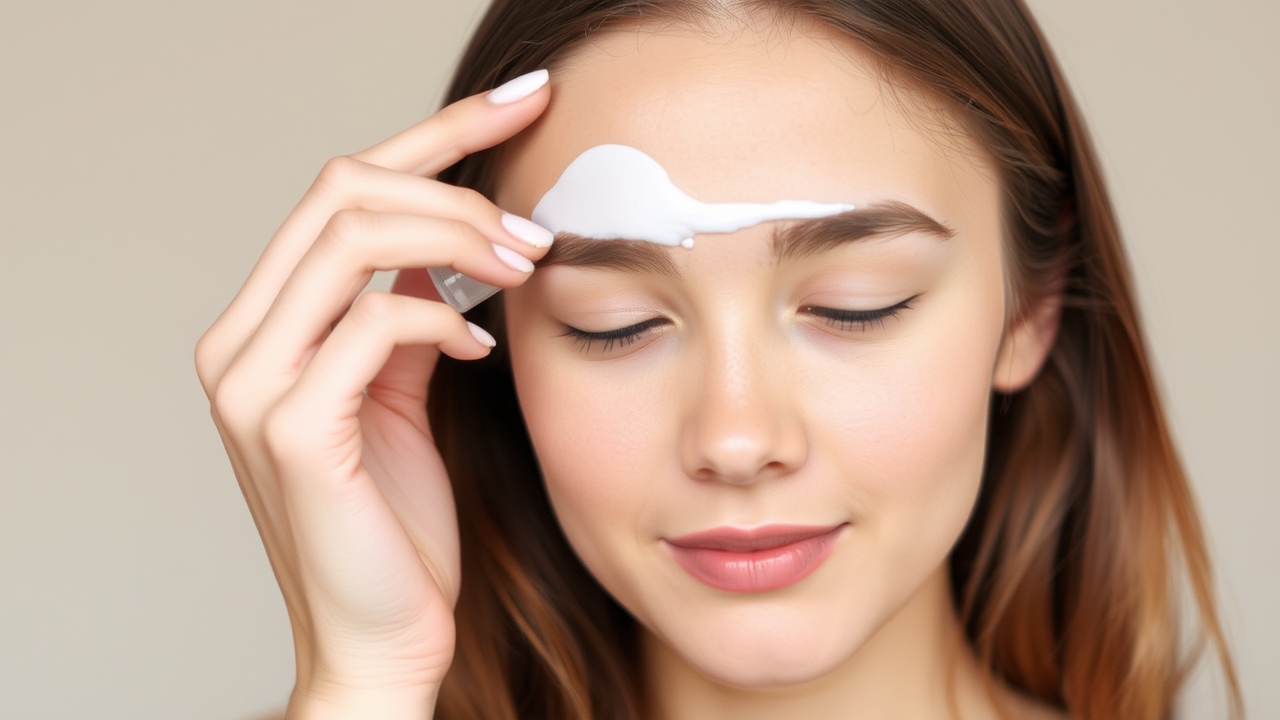
Many people skip the first step of cleansing, assuming a single wash is enough. For oily skin, a double‑cleanse—first with a foaming cleanser and then a gentle oil‑based remover—helps dissolve excess sebum, makeup residue, and environmental pollutants. The key is to avoid harsh, sulfated products that strip the skin’s natural barrier and trigger rebound oil production.
- Morning: Use a gentle foaming cleanser that contains salicylic acid or niacinamide to gently exfoliate and clear pores.
- Evening: Follow with an oil‑based cleanser or micellar water to lift away stubborn makeup and sunscreen.
- Tip: Pat, don’t rub, to prevent irritation.
2. Incorporate a Salicylic Acid Toner
Salicylic acid is a beta‑hydroxy acid that dissolves oil inside the follicle, preventing clogged pores and breakouts. A toner with 0.5‑1% salicylic acid can be applied after cleansing to tone, tighten, and keep sebum at bay.


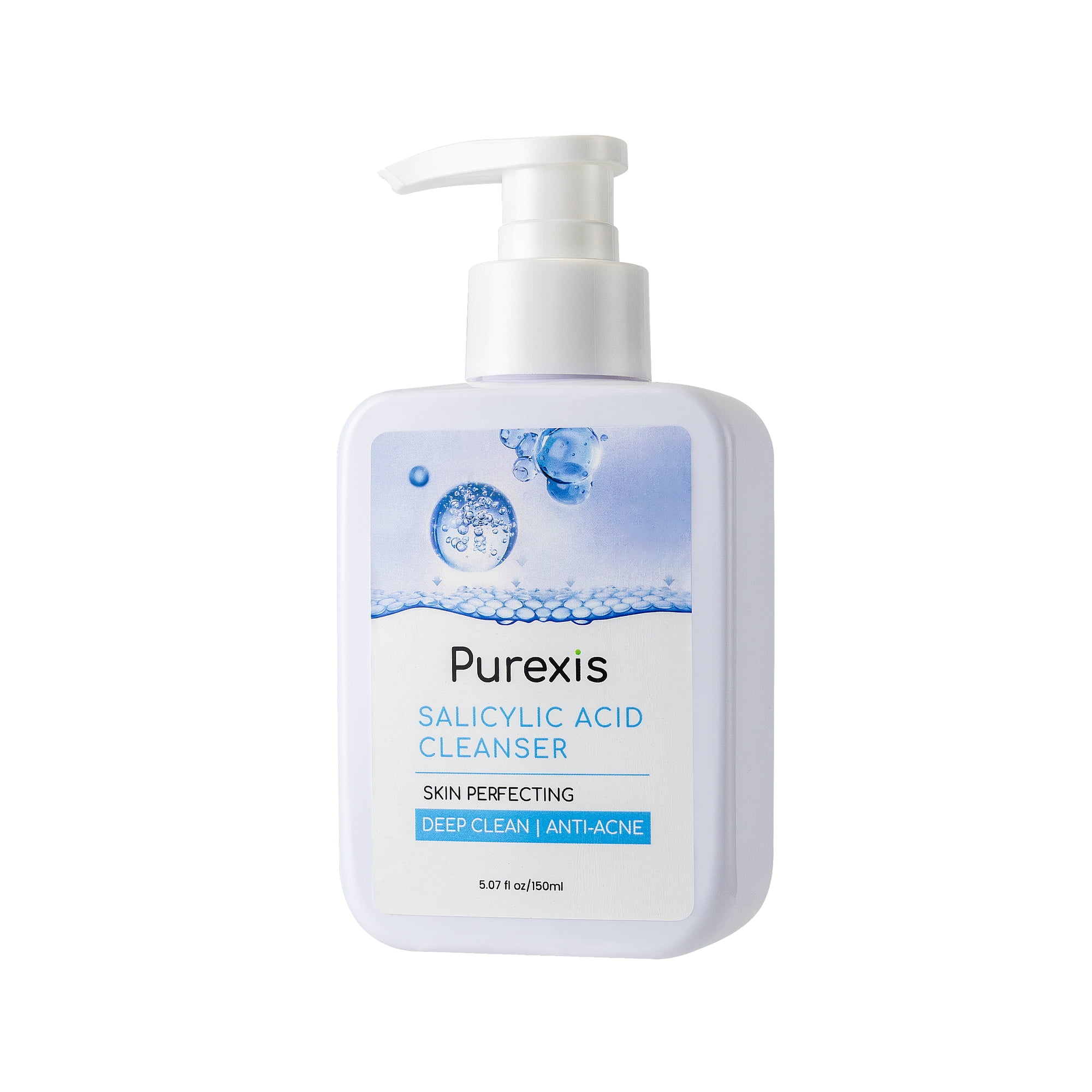
- Apply with a cotton pad, sweeping from the center outward.
- Use twice daily for consistent results.
- Combine with a lightweight, oil‑free moisturizer to keep hydration without heaviness.
3. Use an Oil‑Control Moisturizer
Choosing the right moisturizer is crucial. Look for non‑comedogenic, gel‑based formulas that contain ingredients like hyaluronic acid (for hydration) and zinc or niacinamide (for oil control). Avoid heavy creams that can weigh down the skin.
- Apply a pea‑size amount to the entire face, focusing on T‑zone due to its higher oil production.
- Reapply if you feel the skin becomes oily again after a few hours.
- Nighttime: Opt for a slightly richer but still oil‑free option to support overnight repair.
4. Implement Weekly Clay Masking
Clay masks are a powerhouse for mattifying skin naturally. Bentonite or kaolin clay draws out excess oil and impurities, leaving pores visibly refined. Use once or twice a week, depending on how oily your skin feels.
- Mix the clay powder with water or apple cider vinegar to create a paste.
- Apply a thin layer over the face, avoiding the eye area.
- Leave on for 10‑15 minutes, then rinse with lukewarm water.
5. Focus on Sebum Control Skincare with Niacinamide
Niacinamide (vitamin B3) is a multi‑tasking ingredient that reduces sebum production, improves skin barrier function, and fades post‑inflammatory marks. Incorporate a serum or moisturizer containing 5‑10% niacinamide into your routine.
- Apply after toner and before moisturizer.
- Use in both morning and evening for maximum benefit.
- Combine with sunscreen to protect against UV‑induced oiliness.
6. Use Blotting Papers Strategically
Blotting papers are a quick fix for midday shine. They absorb excess oil without disrupting your makeup. Keep a pack in your purse or desk for on‑the‑go touch‑ups.
- Gently press the paper onto oily areas, especially the T‑zone.
- Do not wipe or rub—press and lift.
- Replace the paper after 4‑5 uses to avoid bacterial buildup.
7. Starve Your Skin with a Balanced Diet
What you eat can influence your skin. A diet high in refined sugars and dairy can spike insulin levels, leading to increased sebum production. Aim for a balanced intake of omega‑3 fatty acids, antioxidants, and plenty of water.
- Include fish, nuts, and leafy greens.
- Limit sugary snacks and processed foods.
- Stay hydrated—aim for at least 8 cups of water daily.
Understanding Your Skin Type
Before diving into products, identify whether you have truly oily skin or a combination of oily and dry areas. Oily skin typically shows shine across the T‑zone, while combination skin has a dry nose or cheeks. Knowing your type helps you pick the right texture and concentration of actives.
- Test with a blotting sheet: press it on your face after a few hours of wake‑up. If it lifts a yellowish film, you’re likely oily.
- Notice how quickly your skin feels greasy—within 30 minutes suggests a high sebum output.
- Adjust your routine: oily areas get mattifying products; dry zones receive lightweight humectants.
Choosing the Right Cleanser
Not all cleansers are created equal. For oily skin, look for foaming or gel cleansers with salicylic acid, benzoyl peroxide, or niacinamide. Avoid alcohol‑heavy formulas that can dry out the barrier and cause rebound oiliness.
- Foaming cleansers: great for removing surface oil but can be drying if overused.
- Gel cleansers: balance cleansing power with a hydrating base.
- Oil‑based cleansers: best for removing sunscreen and long‑wear makeup without stripping the skin.
Daily Skincare Routine for Oily Skin
A streamlined routine ensures you hit every target without over‑exfoliating. Below is a step‑by‑step guide you can customize.
- Morning: Cleanse → Toner → Serum (niacinamide) → Moisturizer → SPF 30‑50.
- Evening: Double‑cleanse → Toner → Serum → Moisturizer.
- Optional: 1‑2 times per week, add a clay mask after the toner.
Lifestyle & Environmental Factors
External triggers can amplify oiliness. Heat, humidity, and pollution can clog pores and stimulate sebum production. Here’s how to adapt:
- Use a mattifying primer before makeup to create a smooth base.
- Carry blotting papers for humid days.
- Wear breathable fabrics (cotton, bamboo) to reduce sweat‑induced shine.
- Consider a humidifier in dry winter rooms to prevent over‑secretion.
Common Mistakes to Avoid
Even the best routine can fail if you fall into these pitfalls:
- Over‑cleaning: Twice‑daily harsh cleansers trigger rebound oil.
- Skipping sunscreen: UV exposure increases sebum and can lead to acne.
- Using heavy moisturizers: Creams can clog pores and worsen shine.
- Ignoring patch tests: New actives may cause irritation that mimics oiliness.
Advanced Treatments & Professional Options
If home care isn’t enough, dermatologists offer targeted solutions:
- Prescription retinoids: Boost cell turnover and reduce sebum.
- Oral isotretinoin: For severe, cystic acne and hypersecretion.
- Chemical peels: With salicylic or glycolic acids to deep‑clean pores.
- Microneedling: Enhances absorption of serums and stimulates collagen.
Understanding Sebum: The Science Behind Oiliness
Sebum is a natural oil produced by the sebaceous glands, and while it protects the skin, over‑production can lead to shine and breakouts. The Wikipedia entry on sebum explains the glandular mechanics and how lifestyle factors influence its production.
Putting It All Together: A Sample Routine
Morning:
- Cleanse with a gentle foaming cleanser.
- Apply salicylic acid toner.
- Use a niacinamide serum.
- Finish with an oil‑control moisturizer.
- Top with broad‑spectrum SPF 30.
Evening:
- Double‑cleanse with an oil‑based remover.
- Apply a clay mask once a week.
- Use the same toner, serum, and moisturizer as in the morning.
FAQs
- How to reduce excess oil on face without over‑drying?
- Choose water‑based, non‑comedogenic products and keep your routine balanced. Avoid over‑exfoliating and always follow up with a lightweight moisturizer.
- What are the best natural ingredients for oily skin?
- Salicylic acid, niacinamide, zinc, tea tree oil, and clay are proven to control shine and refine pores.
- Can diet really affect my oily skin?
- Yes—high glycemic foods and dairy can increase insulin and sebum production, while omega‑3s and antioxidants help calm the skin.
- Is it okay to use a mattifying primer every day?
- It can help, but choose a primer with silicone or dimethicone to avoid clogging pores. Pair it with a lightweight moisturizer.
- How often should I use a clay mask?
- Once or twice a week is sufficient for most oily skin types; overuse can dry out the barrier.
For more detailed guidance on healthy skin and advanced treatments, visit our comprehensive guide to healthy skin.
Leave a Reply