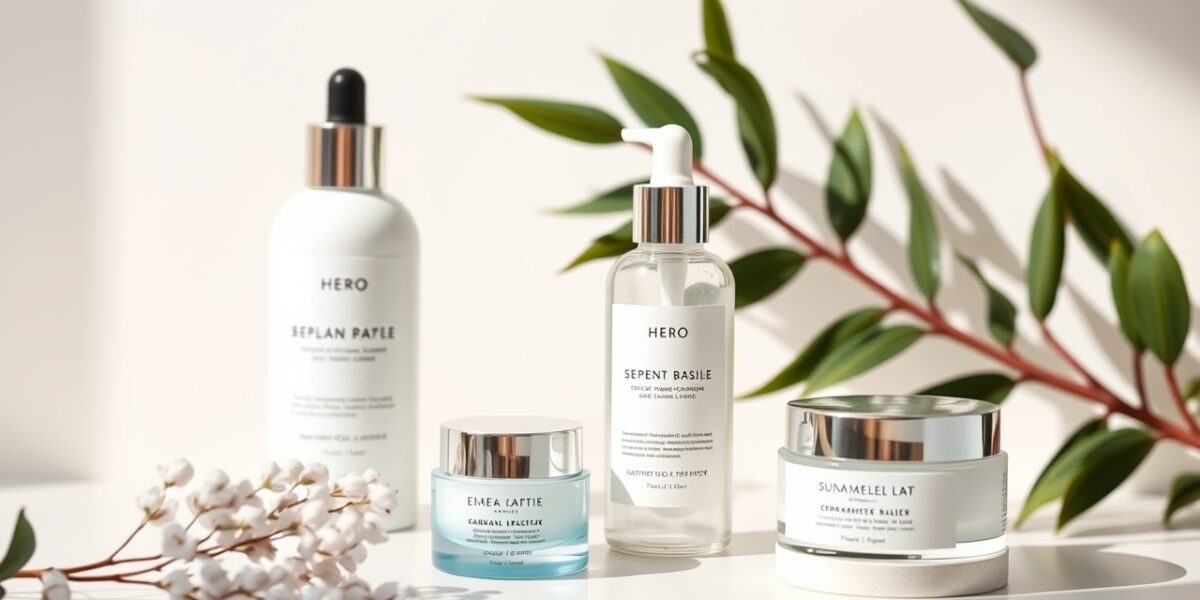
Retinol for beginners: The Basics
Retinol for beginners often feels intimidating, but with a clear plan you can introduce it safely and enjoy the benefits. This guide walks you through the science, the practicalities, and the gentle way to begin.
What Is Retinol?
Retinol is a form of vitamin A that stimulates cell turnover, collagen production, and overall skin renewal. It is the most studied and widely used topical retinoid for anti‑aging, acne, and pigmentation issues. For a deeper dive into the chemistry, you can read the Retinol article on Wikipedia.
Why Retinol?
Retinol offers a balanced approach: it’s potent enough to improve texture and tone, yet gentle enough that, when introduced correctly, it can be tolerated by most skin types. It may help smooth fine lines, reduce dark spots, and unclog pores, making it a staple for many skincare routines.


Understanding Retinol’s Mechanism
Retinol works by converting into retinoic acid inside the skin, which binds to nuclear receptors on epidermal cells. This binding triggers a cascade that:
- Accelerates desquamation (shedding of dead cells)
- Stimulates fibroblasts to produce new collagen and elastin
- Enhances the synthesis of hyaluronic acid, boosting hydration
- Reduces melanin production in hyperpigmented cells
Because the conversion process takes time, the visible benefits are gradual, making patience a key component of any retinol regimen.
Choosing the Right Concentration
- Begin with 0.25% or 0.5% if you’re truly new.
- A 1% concentration is common for those who have used retinoids before.
- Higher concentrations (2% or more) are reserved for experienced users or for specific medical indications.
Formulation Matters
Retinol comes in different bases: creams, gels, serums, and oils. Creams tend to be richer and are ideal for dry or mature skin, while gels are lighter and suit oily or combination skins. If you have sensitive skin, look for formulas that also contain soothing ingredients like niacinamide, panthenol, or ceramides.
Patch Testing: A Must
Before applying to your face, test a small amount on the inside of your wrist or behind your ear. Wait 24 hours and observe for redness, swelling, or itching. If any irritation occurs, consider a lower concentration or a more frequent break schedule.
Application Timing and Frequency
For retinol for beginners, start with once every other night. This gives your skin time to adapt. Once you notice no redness or peeling, you can increase to nightly use. Morning application is generally discouraged because retinol can degrade under sunlight; if you must use it in the morning, pair it with a high‑SPF sunscreen.
When to Use Retinol
Retinol is most effective when applied to a clean, dry skin surface. Avoid using it on freshly exfoliated or irritated skin, as the barrier is already compromised. If you exfoliate with AHAs or BHAs, wait at least 24 hours before applying retinol.
Beginner Retinol Routine
Step 1: Cleanse
Use a gentle, non‑foaming cleanser to remove makeup, oil, and impurities. A clean canvas ensures the retinol can penetrate effectively without being blocked by residue.
Step 2: Apply Retinol
After patting your skin dry, apply a pea‑sized amount to your entire face, avoiding the eye line. If you’re a retinol for beginners, keep the amount modest and spread it evenly. Let it absorb for a minute before moving to the next step.
Step 3: Moisturize
A lightweight, hydrating moisturizer can reduce the likelihood of dryness or flaking. Look for ingredients like hyaluronic acid or ceramides that help reinforce the skin barrier.
Step 4: Sun Protection
Even on nights, ultraviolet exposure can be a concern. If you’re using retinol during the day, apply a broad‑spectrum SPF 30 or higher. At night, a simple barrier moisturizer is usually sufficient.
Retinol for First Time: Common Questions
My skin feels dry and tight. What should I do?
Introduce a richer emollient or a double‑layered moisturizer. You might also consider reducing the frequency back to every other night or using a lower concentration.
Can I use retinol with other actives?
It’s best to avoid stacking potent actives (like BHA, AHA, or vitamin C) on the same night as retinol. If you wish to combine them, alternate nights or use them at different times of day.
Retinol Tips for a Smooth Transition
- Start with a 2‑step routine: cleanse, retinol, and moisturize.
- Use a small amount—more isn’t better.
- Apply retinol to damp skin to improve absorption.
- Keep the eye area untouched; use a separate eye cream.
- Track progress with a simple photo log to spot improvement.
- Adjust the schedule if you notice persistent redness.
- Stay hydrated—drink plenty of water throughout the day.
- Use a gentle, fragrance‑free cleanser to minimize irritation.
- Consider adding a barrier‑supporting serum (niacinamide) on non‑retinol nights.
- Consult a dermatologist if you experience severe reactions.
When to Expect Results
Most retinol for beginners notice subtle improvements in texture and tone after 4–6 weeks. More pronounced changes—like reduced fine lines or fading spots—typically become visible after 3–4 months of consistent use.
Retinol and Sensitive Skin
People with rosacea, eczema, or post‑acne scars should approach retinol cautiously. A 0.25% formula in a cream base, applied on alternate nights, usually offers a tolerable starting point. If irritation persists, discontinue use and consult a professional.
Retinol Myths Debunked
- Myth: Retinol kills acne. Reality: It unclogs pores and reduces inflammation, but it can initially flare breakouts.
- Myth: Retinol is only for anti‑aging. Reality: It also improves hyperpigmentation, texture, and pore size.
- Myth: More concentration equals faster results. Reality: Higher doses increase irritation risk without proportionally faster benefits.
Combining Retinol with Other Ingredients
When building a routine, pair retinol with:
- Niacinamide on non‑retinol nights to calm redness.
- Vitamin C in the morning for antioxidant protection.
- Hyaluronic acid in the moisturizer layer to lock in hydration.
- A gentle alpha‑hydroxy acid (AHA) on alternate nights for exfoliation, but not on the same night as retinol.
Monitoring Progress
Keep a weekly log of:
- Skin texture (smoothness, roughness)
- Redness or irritation level
- Visible fine lines or spots
- Moisture balance (dryness vs. oiliness)
Use this data to adjust frequency or concentration.
Common Mistakes to Avoid
- Applying too much retinol.
- Using retinol on broken or irritated skin.
- Skipping sunscreen.
- Not allowing neh to dry before moisturizer.
- Using retinol with harsh cleansers or exfoliants.
Retinol for Different Skin Types
- Dry skin: Use a richer cream and add a hydrating serum.
- Oily skin: Opt for a gel or serum base and keep moisturizer lightweight.
- Combination: Mix both strategies—cream on dry areas, gel on oily zones.
- Sensitive skin: Start with the lowest concentration and use barrier‑supporting ingredients.
Retinol and Lifestyle Factors
Stress, lack of sleep, and poor nutrition can amplify irritation. Adopt a balanced diet rich in omega‑3 fatty acids, antioxidants, and stay hydrated. Regular sleep and stress‑management practices (yoga, meditation) can improve skin resilience.
When to Seek Professional Help
If you experience:
- Severe burning or blistering.
- Persistent redness beyond 2 weeks.
- Allergic reactions (hives, swelling).
- Unclear improvements after 6 months.
Consult a dermatologist for personalized guidance or prescription alternatives.
Conclusion
Retinol for beginners is a powerful yet approachable ingredient. By starting slow, monitoring your skin, and following a simple routine, you can harness its benefits while keeping irritation at bay. If you’d like more guidance, visit our home page for additional resources.
FAQ
- Retinol for beginners: what is it? Retinol for beginners refers to the initial introduction of a vitamin A derivative into a skincare routine, focusing on low concentrations and gradual adaptation.
- How do I know if my skin can handle retinol for beginners? A fade of redness or peeling after a few nights usually indicates your skin is adapting; if irritation persists, lower the frequency.
- Can I use retinol for beginners during pregnancy? Pregnant individuals should consult a healthcare professional before adding retinol, as high concentrations may not be recommended.
- What should I do if my skin breaks out after starting retinol for beginners? Reduce the amount, increase moisturizer, or give your skin a short break; persistent breakouts warrant professional advice.
- How long should I use retinol for beginners before expecting results? Minor texture changes appear in 4–6 weeks; significant anti‑aging benefits may take 3–4 months of consistent use.
Leave a Reply