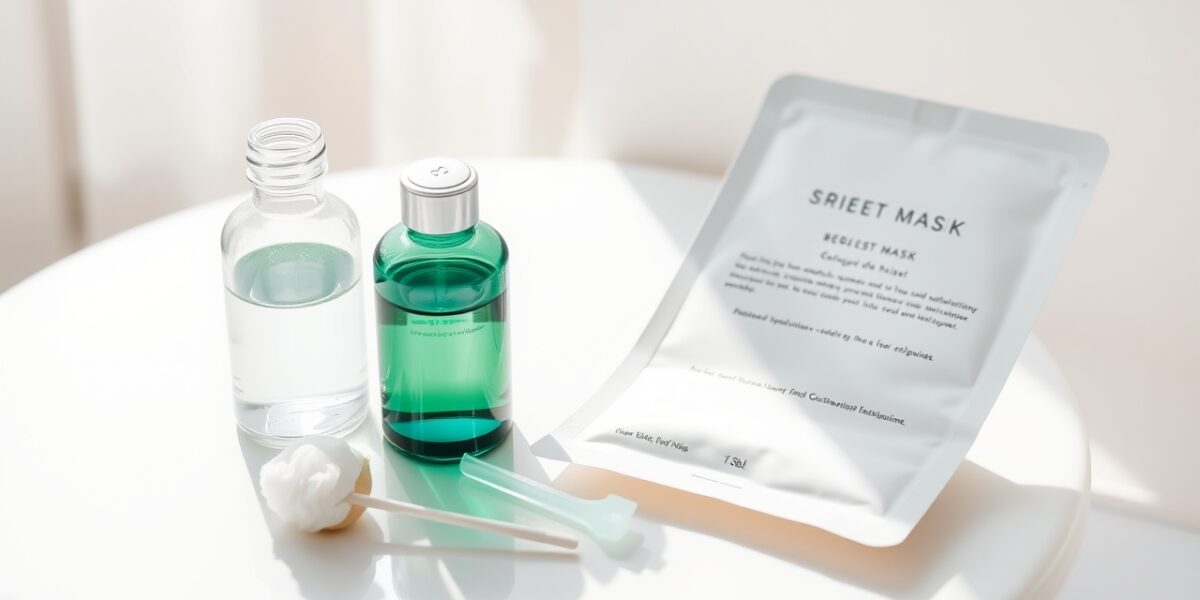
How to use retinol without peeling can be achieved by following a structured routine that respects your skin’s tolerance.
How to use retinol without peeling: The Gentle Approach
Retinol, a form of vitamin A, is celebrated for its ability to boost cell turnover, reduce fine lines, and even out skin tone. Yet, its potency often triggers flaking or irritation, especially for first‑time users. The key to mastering how to use retinol without peeling lies in a gradual, mindful strategy that balances efficacy with comfort.
Understanding Retinol and Your Skin
Retinol works by nudging dead surface cells to shed faster, giving way to newer, smoother skin. The trade‑off is increased sensitivity, because the accelerated turnover can temporarily thin the outer layer. Knowing your skin type—whether oily, dry, or combination—helps you choose the right concentration and application frequency.


Choosing the Right Concentration
- Begin with 0.1%–0.3% if you have sensitive or normal skin.
- Opt for 0.5%–1.0% if your skin is resilient and you’ve used retinol before.
- A 2% formula is usually reserved for mature or stubbornly uneven skin and should be introduced with caution.
Building a Routine: Frequency & Timing
Timing is everything. Apply retinol in the evening after cleansing and before heavier moisturizers. Avoid mixing it with other potent actives (like AHAs or BHAs) on the same night until your skin adapts.
Retinol Peeling Fix: Quick Attenuation
Recognize the Signs of Over‑exposure
Peeling, redness, or a tight feeling are common clues that your skin is reacting too strongly. When these symptoms arise, pause retinol use for a day or two and focus on soothing care.
Immediate Steps to Calm Your Skin
- Apply a hydrating serum rich in hyaluronic acid to lock in moisture.
- Follow with a fragrance‑free, non‑comedogenic moisturizer.
- Use a gentle, non‑BOM‑free cleanser in the morning.
- Add a broad‑spectrum SPF 30+ during the day to protect the new cells.
These steps create a barrier that helps mitigate peeling while allowing the retinol to continue working over time.
Retinol Sandwich Method Explained
Layering Technique for Sensitive Skin
The sandwich method works by placing a thin layer of moisturizer between the cleansing step and retinol application. This “buffer” reduces the direct contact of retinol with the skin, slowing its absorption and easing irritation.
- Cleanse as usual.
- Apply a light, hydrating moisturizer.
- Let it absorb for 30–60 seconds.
- Gently dab a pea‑size amount of retinol serum on the face.
- Finish with a richer moisturizer to seal in hydration.
Repeating this sandwich routine can help you how to use retinol without peeling, especially during the first few weeks.
Ease Into Retinol: A Step‑by‑Step Guide
Week 1: 1–2 Times Per Week
Start by applying retinol on alternate nights (e.g., Tuesday and Friday). This gives your skin time to adjust and reduces the chance of flaking.
Week 2: Increase Frequency
If irritation remains minimal, add a third application on a non‑consecutive night (e.g., Monday). Keep monitoring for any redness or dryness.
Week 3: Add Light Moisturizer
Introduce a non‑comedogenic, fragrance‑free moisturizer after retinol. The light texture should not clog pores but will aid in calming the skin.
Week 4: Evaluate & Adjust
By the end of the month, you should notice smoother texture and fewer breakouts. If peeling persists, reduce frequency back to 2 nights a week and consider a lower concentration.
Retinol Irritation: Common Causes & Prevention
- Using a high‑strength formula on sensitive skin.
- Applying retinol immediately after exfoliation.
- Neglecting adequate moisturization.
- Skipping sunscreen, leading to UV‑induced sensitivity.
To prevent irritation, always follow the sandwich method, keep the routine simple, and prioritize hydration.
Final Thoughts: Maintaining Balance
Mastering how to use retinol without peeling is about patience, observation, and gentle layering. Remember, your skin’s response can change over time, so stay flexible and adjust as needed.
For more detailed guidance, visit our guide on Healthy Skin World to explore complementary routines and supporting ingredients.
FAQ
- How to use retinol without peeling?
- Start with a low concentration, use the sandwich method, apply only 1–2 nights a week, and layer a moisturizer before and after the serum to reduce irritation. If irritation occurs, reduce frequency or switch to a gentler formula.
- What is the best time of day to apply retinol?
- Evening is ideal because retinol can make skin more photosensitive; apply after cleansing and before heavier moisturizers. Avoid applying it before bed if you have a tendency to sleep with your face uncovered.
- Can I use retinol with other actives like AHAs?
- It’s best to avoid combining potent actives on the same night until your skin is accustomed to retinol; alternate nights if necessary. If you want to use both, apply the AHA in the morning and retinol at night.
- How long does it take to see results?
- Visible improvements typically appear after 4–6 weeks of consistent use, though deeper changes may take up to 3 months. Patience and consistency are key.
- What should I do if my skin starts peeling?
- Pause retinol use, increase moisturization, use a soothing serum, and consider lowering the concentration or frequency. If peeling persists, consult a dermatologist.
Retinol vs Retinoids: Understanding the Family
Retinol is just one member of the retinoid family. Others include retinaldehyde, retinyl palmitate, and prescription retinoids like tretinoin. Each has a different potency and skin tolerance profile.
- Retinaldehyde: A step closer to retinoic acid, it offers a gentler start for sensitive skin.
- Retinyl Palmitate: The mildest form, often used in over‑the‑counter products for daily maintenance.
- Tretinoin (Retin-A): Prescription‑strength, highly effective but can be harsh without proper adaptation.
- Retinol: The most commonly sold over‑the‑counter option, balancing potency and accessibility.
Choosing the Right Formulation: Serums, Gels, and Creams
Formulation matters. Serums are lightweight and ideal for layering; gels provide a medium texture that doesn’t feel heavy; creams are rich and best for dry or mature skin.
- Serum: 30–60 ml, 0.1–0.5% retinol, minimal emollients.
- Gel: 15–30 ml, 0.3–1.0% retinol, added humectants.
- Cream: 20–40 ml, 0.5–2.0% retinol, occlusive agents for barrier support.
Timing Your Retinol: The Role of Night vs Day
Retinol’s photosensitivity makes nighttime the safest application time. During the day, the skin’s natural repair processes are already underway, and retinol can interfere with sun‑induced damage.
Layering with Other Ingredients: How to Safely Combine Retinol with Vitamin C, Niacinamide, and Peptides
Layering order is crucial. Apply the lightest product first, then gradually heavier ones. A typical evening routine might look like:
- Cleanser.
- Vitamin C serum (if used in the morning).
- Retinol (pea‑size).
- Peptide moisturizer.
- Barrier‑supporting cream (ceramides).
In the morning, use a vitamin C serum first, then a lightweight moisturizer, followed by broad‑spectrum SPF.
Common Misconceptions About Retinol
- “Retinol will make my skin dry forever.” Proper moisturization and gradual introduction keep dryness at bay.
- “I need to use retinol every night for instant results.” Consistency over time is more important than frequency.
- “Retinol is only for mature skin.” It benefits all ages, especially when used correctly.
- “I can skip sunscreen when using retinol.” Sunscreen is non‑negotiable; retinol increases photosensitivity.
Advanced Techniques: Micro‑Needling with Retinol
Micro‑needling creates micro‑channels that enhance retinol penetration, accelerating results. However, it should only be done after a full month of gentle retinol use and under professional supervision.
Retinol for Different Skin Concerns
Acne
Retinol reduces comedone formation, speeds up cell turnover, and can help clear post‑acne hyperpigmentation.
Hyperpigmentation
By accelerating the shedding of pigmented cells, retinol fades dark spots and evens tone over weeks.
Anti‑Aging
Retinol stimulates collagen production, improves elasticity, and diminishes fine lines and wrinkles.
Retinol Safety During Pregnancy and Breastfeeding
High‑strength retinoids are contraindicated during pregnancy. Low‑concentration retinol (≤0.3%) is considered safe by some dermatologists, but it’s best to consult a healthcare provider.
Retinol and Sensitive Skin: How to Protect Yourself
Use a fragrance‑free, alcohol‑free serum, avoid harsh cleansers, and always follow up with a rich barrier moisturizer.
Retinol and Sun Protection: The Must‑Have SPF
Apply a broad‑spectrum SPF 30+ every morning, even on cloudy days. Reapply every 2 hours if outdoors.
Retinol and Hydration: The Role of Hyaluronic Acid
Hyaluronic acid locks in moisture, counteracting the temporary dryness that retinol can cause. Use it before retinol in the night routine.
Retinol and Barrier Support: Ceramides and Peptides
Barrier‑supporting ingredients like ceramides, niacinamide, and peptides help rebuild the skin’s protective layer after retinol’s exfoliation.
Retinol and Exfoliation: How to Schedule AHA/BHA
Alternate nights: use AHA/BHA in the morning and retinol at night. If you prefer to combine, keep AHA/BHA to once a week and give your skin a rest day.
Retinol and Makeup: How to Layer Without Breaking
Apply retinol first, then allow it to absorb for 5–10 minutes. Follow with a lightweight moisturizer, then foundation. Avoid heavy cream foundations that can clog pores.
Retinol and Lifestyle: Diet, Sleep, Stress
Omega‑3 fatty acids, antioxidants, and adequate sleep (7–9 hrs) support skin repair. Stress‑reduction practices like meditation can also improve skin resilience.
Retinol Mistakes to Avoid
- Skipping moisturizer after retinol.
- Using retinol on already irritated skin.
- Applying retinol before sunscreen during the day.
- Over‑exfoliating with physical scrubs.
- Using multiple high‑strength actives simultaneously.
Retinol Routine Chart
| Step | What to Use | When |
|---|---|---|
| Cleanser | Gentle, fragrance‑free | Evening |
| Retinol | Pea‑size amount | Night, 1–2x/week |
| Hydrating Serum | HA or glycerin | Night, after retinol |
| Moisturizer | Ceramide‑rich | Night, after serum |
| SPF | Broad‑spectrum 30+ | Morning |
FAQ (Extended)
- How to use retinol without peeling?
- Start with a low concentration (0.1–0.3%), apply only 1–2 nights a week, and layer a moisturizer before and after the serum. If irritation occurs, reduce frequency or switch to a gentler formula. The sandwich method is especially effective for first‑time users.
- What is the best time of day to apply retinol?
- Evening is ideal because retinol can make skin more photosensitive; apply after cleansing and before heavier moisturizers. Avoid applying it before bed if you have a tendency to sleep with your face uncovered, as it can increase irritation.
- Can I use retinol with other actives like AHAs?
- It’s best to avoid combining potent actives on the same night until your skin is accustomed to retinol; alternate nights if necessary. If you want to use both, apply the AHA in the morning and retinol at night. If you must combine, keep the AHA to once a week and give your skin a rest day.
- How long does it take to see results?
- Visible improvements typically appear after 4–6 weeks of consistent use, though deeper changes may take up to 3 months. Patience and consistency are key; track progress with before/after photos.
- What should I do if my skin starts peeling?
- Pause retinol use, increase moisturization, use a soothing serum, and consider lowering the concentration or frequency. If peeling persists, consult a dermatologist for personalized advice.
Leave a Reply