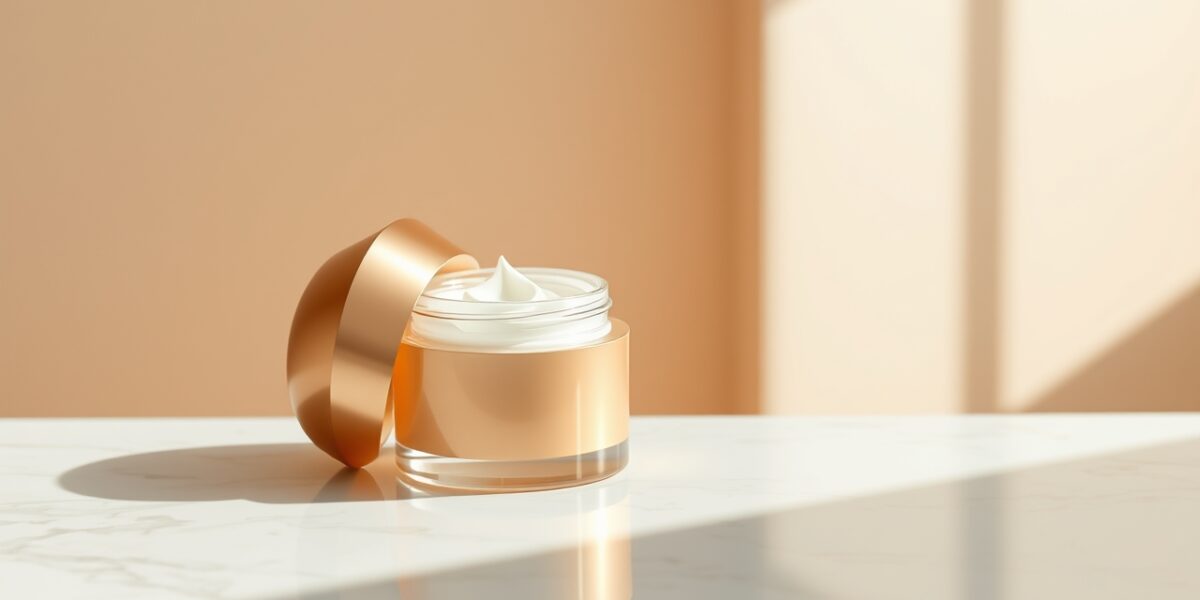
The best night cream for anti aging is not just a luxury addition to your vanity; it is a strategic tool that works with your body’s natural circadian rhythms. While we sleep, our skin shifts from protection mode to repair mode. This is when cellular turnover increases and the skin becomes more permeable, making it the ideal time to apply potent actives that might be too irritating or unstable during the day.
Why Your Skin Needs a Dedicated Night Treatment
I have spent years observing how different skin types react to nocturnal treatments. The primary difference between a day cream and a night cream is the goal. Day creams focus on hydration and shielding the skin from UV rays and pollution. Night creams, however, are designed to nourish and regenerate.
During the night, transepidermal water loss (TEWL) typically increases. This means your skin loses moisture faster while you sleep than it does during the day. If you don’t use a rich anti aging moisturizer, you may wake up with skin that looks dull or feels tight, which can make fine lines appear more prominent.


Key Ingredients to Look For in a Firming Cream
When searching for a product that actually works, you have to look past the marketing claims on the front of the bottle. The ingredient list is where the truth lies. To achieve a lifting effect, a firming cream should contain ingredients that support collagen and elastin production.
Peptides and Amino Acids
Peptides are short chains of amino acids that act as messengers. They tell your skin to produce more collagen. I often suggest looking for palmitoyl pentapeptide-4 or copper peptides. These ingredients help reinforce the skin’s structural integrity, which is essential for reducing the appearance of sagging jowls or a tired forehead.
Hyaluronic Acid and Glycerin
While not “anti-aging” in the sense of changing your DNA, humectants like hyaluronic acid are vital. They pull moisture from the air into the skin. When the skin is plump with hydration, wrinkles are less visible. This creates an immediate smoothing effect that complements long-term corrective treatments.
Ceramides
Ceramides are lipids that make up the skin’s barrier. As we age, we lose these lipids, leading to dryness and sensitivity. A night cream that replenishes ceramides helps seal in other active ingredients and prevents irritants from entering the skin.
The Power of Retinol Night Cream
If you are serious about skin texture and deep lines, a retinol night cream is often the gold standard. Retinoids are derivatives of Vitamin A and are among the most researched ingredients in dermatology. They work by accelerating cell turnover, pushing old, damaged cells to the surface and encouraging new, healthy cells to form.
However, retinol is not without its challenges. Many people experience “retinization,” which involves redness, peeling, and dryness during the first few weeks of use. To avoid this, I recommend the “sandwich method”: apply a thin layer of basic moisturizer, then your retinol, and then another layer of moisturizer. This buffers the active ingredient without neutralizing its efficacy.
It is also critical to remember that retinol makes your skin more sensitive to the sun. If you use a potent night treatment, you must apply a broad-spectrum SPF every single morning, regardless of the weather. Failure to do so can actually lead to more sun damage and premature aging.
How to Choose Based on Your Skin Type
Not every best night cream for anti aging is suitable for every person. Using a heavy occlusive on oily skin can lead to breakouts, while a light gel on dry skin will leave you feeling dehydrated.
- Dry Skin: Look for creams containing shea butter, squalane, or ceramides. You want a thick, buttery consistency that creates a seal over the skin.
- Oily or Acne-Prone Skin: Opt for non-comedogenic formulas. Gel-creams or water-based emulsions that contain salicylic acid or niacinamide can help manage oil while still providing anti-aging benefits.
- Sensitive Skin: Avoid fragrance and alcohol. Look for soothing agents like centella asiatica (Cica) or colloidal oatmeal to balance the intensity of anti-aging actives.
- Combination Skin: You may need to “multi-moisturize.” Use a richer cream on your cheeks and a lighter lotion on your T-zone.
Addressing Specific Concerns: Night Cream for Wrinkles
When specifically seeking a night cream for wrinkles, you need to distinguish between fine lines (dehydration lines) and deep-set wrinkles (structural lines). Fine lines often respond quickly to hydration and antioxidants. Deep wrinkles require ingredients that penetrate deeper into the dermis.
For the eye area and the neck, the skin is significantly thinner than on the rest of the face. I have found that applying the same heavy cream to the eyelids can cause puffiness. Instead, use a dedicated eye cream or a very gentle version of your night cream, applying it with your ring finger to avoid pulling the delicate skin.
For the neck and chest (the décolletage), use upward strokes. This area is often neglected but reveals age quickly. Ensure your product contains hydrating agents and perhaps a lower concentration of retinol to avoid irritation on this thinner skin.
Step-by-Step Nighttime Routine for Maximum Results
The order in which you apply your products determines how well they are absorbed. If you put a thick oil-based cream on first, your water-based serums will simply sit on top and evaporate.
- Double Cleanse: Start with an oil-based cleanser to remove makeup and sunscreen, followed by a water-based cleanser to remove sweat and pollutants.
- Tone/Prep: Use a hydrating toner to dampen the skin. Damp skin is more permeable, allowing the next steps to sink in deeper.
- Targeted Serums: Apply your most potent actives first. This is where your Vitamin C (if used at night) or peptide serums go.
- The Main Event: Apply your best night cream for anti aging. Massage it in using circular motions to stimulate blood flow and lymphatic drainage.
- Occlusive Layer (Optional): If you have extremely dry skin, you can apply a thin layer of facial oil over your cream to lock everything in.
Common Mistakes to Avoid
I see many people making the same errors when trying to improve their skin. One of the biggest is over-exfoliating. While removing dead skin is important, doing it every night alongside a retinol night cream can compromise your skin barrier. This leads to inflammation, which ironically accelerates aging.
Another mistake is ignoring the sleep environment. If you sleep on your side or stomach, you create “sleep wrinkles” from the fabric of your pillow pressing into your skin. Switching to a silk or satin pillowcase can reduce this friction and help your products stay on your face rather than being absorbed by the cotton fabric.
Finally, don’t expect overnight miracles. Skin cells take roughly 28 to 40 days to turn over. You need to use a product consistently for at least two full cycles (about 8 weeks) before judging if a cream is actually working for you. Patience is the most important ingredient in any skincare routine.
The Science of Nocturnal Skin Repair
To understand why these products work, we have to look at the biology of the skin. During the day, the skin is in “defense mode,” fighting off UV radiation and pollutants. At night, the body increases the production of growth hormones and increases blood flow to the skin. This is when the collagen synthesis process is most active.
By providing the skin with the raw materials it needs—like amino acids and fatty acids—during this window, you are essentially fueling the repair process. This is why a high-quality anti aging moisturizer is more effective at night than a similar formula used during the day.
If you want to learn more about maintaining a healthy glow, you can find more tips on healthy skin world regarding holistic wellness and dermatological care.
Comparing Different Anti-Aging Technologies
Not all anti-aging creams use the same technology. Some rely on “encapsulation,” where the active ingredient is wrapped in a lipid bubble. This allows the ingredient to penetrate deeper into the skin before being released, which reduces surface irritation. This is particularly common in high-end retinol night cream formulations.
Other products use “bio-mimetic” ingredients. These are synthetic versions of molecules already found in your skin. By tricking the skin into thinking it has more of these molecules, the skin is encouraged to behave like younger skin, producing more moisture and elasticity.
Integrating Lifestyle for Better Skin
No cream, regardless of how “best” it is, can overcome a poor lifestyle. Your skin is an organ, and it reflects your internal health. To maximize the effects of your best night cream for anti aging, consider these factors:
- Hydration: Drink plenty of water throughout the day. Topical moisturizers hold water in, but you need internal hydration to keep the cells plump.
- Diet: Omega-3 fatty acids found in fish and flaxseeds help maintain the lipid barrier of your skin.
- Sleep Quality: The term “beauty sleep” is real. Lack of sleep increases cortisol, which breaks down collagen.
- Stress Management: Chronic stress leads to oxidative stress in the skin, which can accelerate the formation of wrinkles.
Final Thoughts on Selecting Your Product
Choosing the best night cream for anti aging is a personal journey. What works for a 30-year-old preventing first lines will be different from what a 60-year-old needs for deep structural support. Always start with a patch test on your inner arm to ensure you don’t have an allergic reaction to the active ingredients.
Focus on consistency over intensity. It is better to use a gentle, effective cream every night than to use a powerful chemical peel once a month that leaves your skin raw and irritated. Listen to your skin; if it feels tight, add more hydration. If it feels greasy, switch to a lighter emulsion.
Frequently Asked Questions
How do I find the best night cream for anti aging for my specific skin?
Start by identifying your primary concern—whether it is dryness, sagging, or deep wrinkles. If you have deep wrinkles, look for retinol or peptides. For sagging, prioritize a firming cream with growth factors or amino acids. Always match the base (oil-based vs. water-based) to your skin type (dry vs. oily).
Can I use a retinol night cream every single night?
It depends on your skin’s tolerance. I recommend starting twice a week and gradually increasing the frequency. Some people can handle nightly use, while others find that every other night is the sweet spot to avoid irritation.
Is an anti aging moisturizer different from a regular moisturizer?
Yes. A regular moisturizer primarily focuses on hydration and preventing water loss. An anti aging moisturizer contains “active” ingredients like retinoids, peptides, or antioxidants that aim to change the structure and function of the skin to reduce signs of aging.
How long does it take to see results from a night cream for wrinkles?
While hydration effects are immediate, structural changes like the reduction of wrinkles usually take 8 to 12 weeks of consistent use. This is because it takes time for the skin to produce new collagen and for the cellular turnover process to complete multiple cycles.
Can I use a firming cream during the day?
You can, provided it does not contain ingredients that are photosensitive (like retinol). However, most firming creams are richer and heavier, which may feel too greasy under makeup or sunscreen. It is generally more efficient to use them at night.
Leave a Reply