When the first rays of sun break through the curtains, your skin is already on a mission: to guard itself against pollution, blue light, and the inevitable rush of the day. A well‑structured morning skincare routine steps sequence turns that mission into a precise, science‑backed defense system.

Why Your AM Skincare Order Matters
Think of your skin like a multi‑layered fortress. The outermost layer is your cleanser wickedly removing overnight sebum and debris. Beneath that, a hydrating toner restores pH and adds a moisture cushion. Serums deliver concentrated actives to the dermis, while a moisturizer locks everything in. Finally, sunscreen seals the whole package against UV radiation. Skipping or misordering any layer is like leaving a door ajar: the next step can’t perform its job as intended.
In practice, the rule is simple: thin to thick. A water‑based serum will never penetrate a heavy cream if applied first. Conversely, a thick cream applied before a light serum will dilute the serum’s potency. By respecting the natural progression from lightest to heaviest, you guarantee each ingredient reaches its target.


The Essential Morning Skincare Routine Steps
Step 1: Gentle Cleansing
Even if you washed the night before, your skin still needs a fresh start. Overnight, sebum production spikes, dead cells accumulate, and nighttime products can leave a film that hinders absorption. Choose a cleanser that matches your skin type:
- Dry Skin: A creamy, non‑foaming cleanser like La Roche‑Posay Toleriane Hydrating Gentle Cleanser or simply lukewarm water with a soft washcloth.
- Oily Skin: A gel or foaming cleanser such as Neutrogena Ultra Gentle Daily Cleanser that removes excess oil without stripping.
- Sensitive Skin: A fragrance‑free, soap‑free option like Vanicream Gentle Facial Cleanser to avoid irritation.
Step 2: Toning (Optional but Helpful)
Modern toners are no longer the harsh, alcohol‑laden formulas of the past. Today’s toners are_casting a gentle, hydrating mist that balances pH and primes the skin for the next layers. A hydrating toner with glycerin, hyaluronic acid, or rose water works wonders. Think of it as a damp sponge: the skin is more receptive to subsequent serums when it’s already moistened.
Step 3: Targeted Treatment and Serums
This is where the science shines. Serums are the high‑concentration powerhouses that address specific concerns. For most people, one or two serums are enough. The most popular morning serum is Vitamin C, an antioxidant that neutralizes free radicals from UV exposure and pollution. It also brightens and fades hyperpigmentation over time. When applying, use a pea‑sized amount and pat gently—avoid vigorous rubbing that can irritate the skin.
Other useful serums include:
- Niacinamide 10% + Zinc 1%: Controls sebum and reduces redness.
- Peptide Complex: Supports collagen production for a firmer look.
- Hyaluronic Acid (1–2%): Adds deep hydration without heaviness.
Step 4: Eye Cream
The skin around the eyes is 2–3 times thinner than the rest of the face, making it vulnerable to dryness, puffiness, and fine lines. A dedicated eye cream contains smaller molecules that penetrate without pulling. Apply with your ring finger to avoid tugging. Look for ingredients like caffeine for puffiness, peptides for firmness, and ceramides for barrier support.
Step 5: Moisturizing
Moisturizer is the final sealant that locks in all the previous layers. Choose one that matches your skin’s needs:
- Lightweight Lotions: Ideal for oily or combination skin—try Clinique Moisture Surge 72H.
- Rich Creams: Best for dry or mature skin—consider Olay Regenerist Micro‑Repair Cream.
- Gel‑Based Moisturizers: Perfect for humid climates or acne‑prone skin—look at Neutrogena Hydro Boost Water Gel.
Step 6: Sun Protection (The Non‑Negotiable)
Even on cloudy days, UV rays penetrate. Sunscreen is the single most effective anti‑aging tool. Use a broad‑spectrum SPF 30 or higher, with both UVA and UVB coverage. Apply a generous amount—about two finger‑lengths for the face and neck. If you’ll be outdoors for extended periods, reapply every two hours. For a quick, travel‑friendly option, a tinted moisturizer with SPF can double as a light foundation.
Customizing Your Routine for Different Skin Types
The Oily Skin Approach
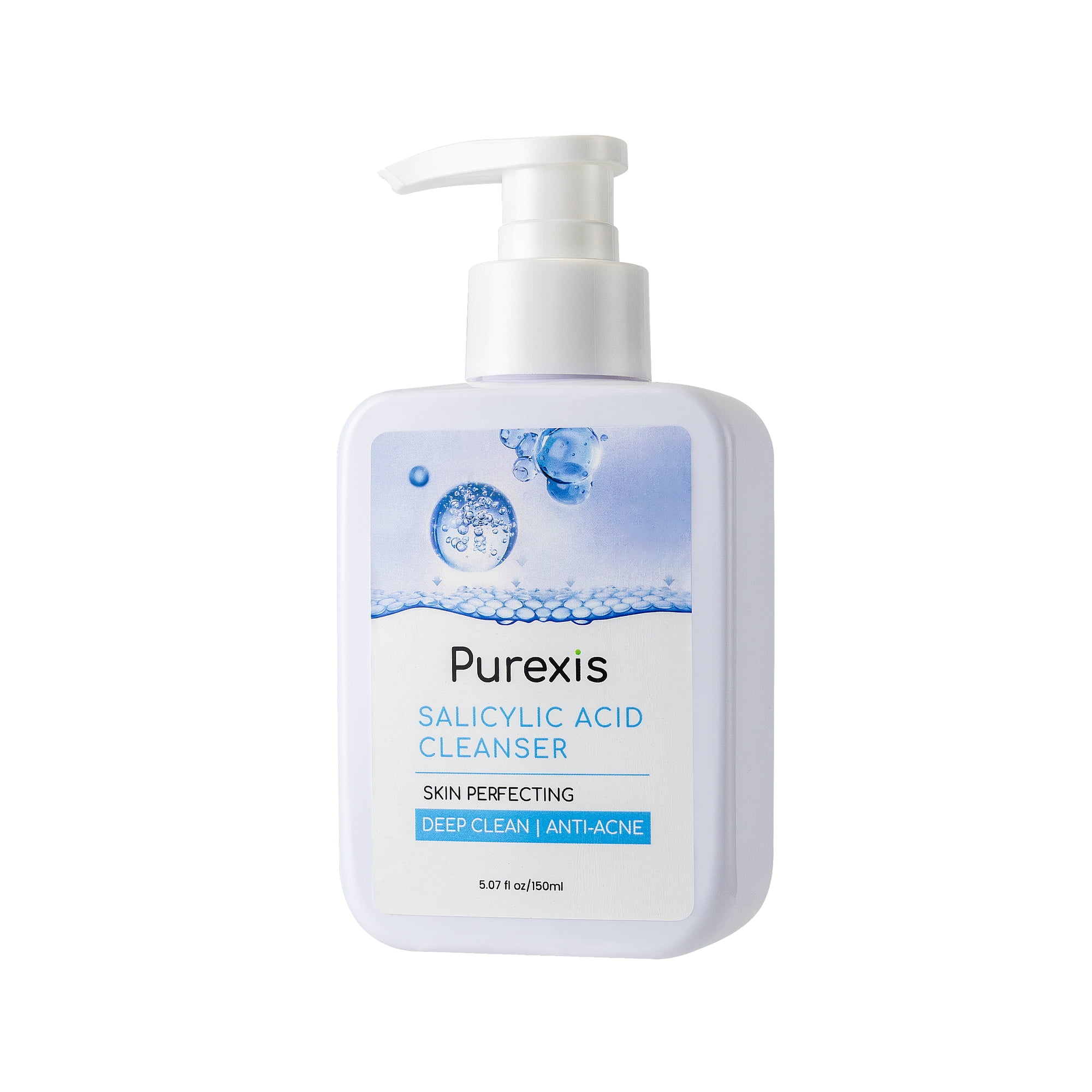
Oily skin often feels tempted to skip moisturizer, fearing greasiness. However, dehydration can trigger a compensatory surge in oil production. Stick to oil‑free, non‑comedogenic products. A salicylic acid cleanser keeps pores clear, while a lightweight hyaluronic acid serum hydrates without clogging. Finish with a mattifying moisturizer that contains niacinamide to balance sebum.
The Dry Skin Approach
Dry skin thrives on lipids. Replace a foaming cleanser with a cleansing milk or balm. Layer a hydrating toner, hyaluronic acid serum, and a ceramide‑rich cream such as CeraVe Moisturizing Cream. This sequence builds a protective barrier that locks in moisture and keeps the skin plump.
The Combination Skin Approach
Combination skin demands a zone‑specific strategy. Use a mild cleanser on the T‑zone, a richer cream on the cheeks, and a lightweight serum across the entire face. This approach ensures no area is over‑treated or under‑treated.
Common Mistakes to Avoid in Your Morning Routine
Even the best routine can falter if you fall into these traps:
- Too Many Actives: Pairing a strong exfoliating acid with a high‑concentration Vitamin C serum can overwhelm the barrier. Stick to one active per routine.
- Neglecting the Neck: The neck and décolletage are just as exposed to sun damage. Extend serums, moisturizers, and sunscreen down to the collarbone.
- Rushing: Each layer needs time to absorb. Give serums 30–60 seconds before applying moisturizer, and allow sunscreen to set for a few minutes before makeup.
- Ignoring Product Compatibility: Mixing oil‑based and water‑based products can create a greasy residue. Use an emulsifier or wait for each layer to dry.
Integrating Lifestyle Habits for Better Skin
Skincare is only one side of the equation. For a truly comprehensive approach to healthy skin habits, consider these lifestyle tweaks:
- Hydration: Aim for 2–3 liters of water daily. Use a smart water bottle that tracks intake.
- Sleep: Your skin repairs itself during REM sleep. A consistent 7–8 hour schedule reduces dark circles and dullness.
- Nutrition: Omega‑3 fatty acids (walnuts, chia seeds, salmon) strengthen the lipid barrier. Antioxidant‑rich foods (berries, leafy greens) complement topical Vitamin C.
- Pillowcase Hygiene: Change pillowcases every 2–3 days to reduce bacterial transfer.
- Air Quality: Use a humidifier in dry climates to keep the skin’s moisture balance.
The Science of Skin Protection
The epidermis is a living shield. When UV rays or pollutants breach it, inflammatory pathways trigger. Antioxidants like Vitamin C neutralize free radicals before they damage DNA. Ceramides rebuild the lipid matrix, while vx‑12 peptides stimulate collagen. Understanding these mechanisms helps you choose products that do more than look good—they perform.
For a deeper dive into skin anatomy and environmental impacts, the Wikipedia page on skin offers a thorough overview of layers and physiology.
Creating a Simple Morning Routine for Busy Schedules
Time can be a luxury, but you don’t have to sacrifice efficacy. Condense the routine into three core steps:
- Cleanse: A gentle cleanser or a splash of lukewarm water.
- Treat: A Vitamin C serum for antioxidant defense.
- Protect: A moisturizer with built‑in SPF or a separate sunscreen.
This trio takes less than five minutes and covers cleansing, active treatment, and protection.
Advanced Tips for Maximum Glow
Once the basics are mastered, elevate your routine with these techniques:
- Hydration Sandwich: Apply a hydrating mist, serum, another mist, then moisturizer. This traps water and gives a “glass skin” finish.
- Cold Eye Care: Keep your eye cream and jade roller in the fridge. The chill constricts vessels, reducing puffiness and giving instant wakefulness.
- Nighttime Bridge: Use a retinol or AHAs at night, and a soothing hyaluronic acid serum in the morning to keep the barrier intact.
- Seasonal Adjustments: In winter, double‑layer moisturizers; in summer, switch to gel‑based formulas.
FAQ: Mastering Your Morning Routine
What are the best morning skincare routine steps for beginners?
Start with the essentials: cleanse, moisturize, and apply sunscreen. Once you’re comfortable, add a Vitamin C serum for brightening. Keep the routine short—no more than three steps—to build consistency.
Can I use the same products for morning and night?
Yes, many cleansers and moisturizers are suitable for both times. However, some actives prefer specific windows: Vitamin C thrives in the morning to fight UV, while retinol should stay at night due to sun sensitivity.
How long should I wait between each step?
Give each layer time to absorb: 30–60 seconds for serums, a minute for moisturizer, and a few minutes for sunscreen before makeup. Skipping this can lead to pilling.
Do I really need a separate eye cream?
While a good moisturizer can cover the area, a dedicated eye cream offers smaller molecules and targeted ingredients for puffiness, dark circles, and fine lines.
What should I do if my skin reacts poorly to a new product?
Discontinue the product immediately. Introduce new items one at a time and monitor for 2–4 weeks. If irritation persists, consult a dermatologist.
Leave a Reply