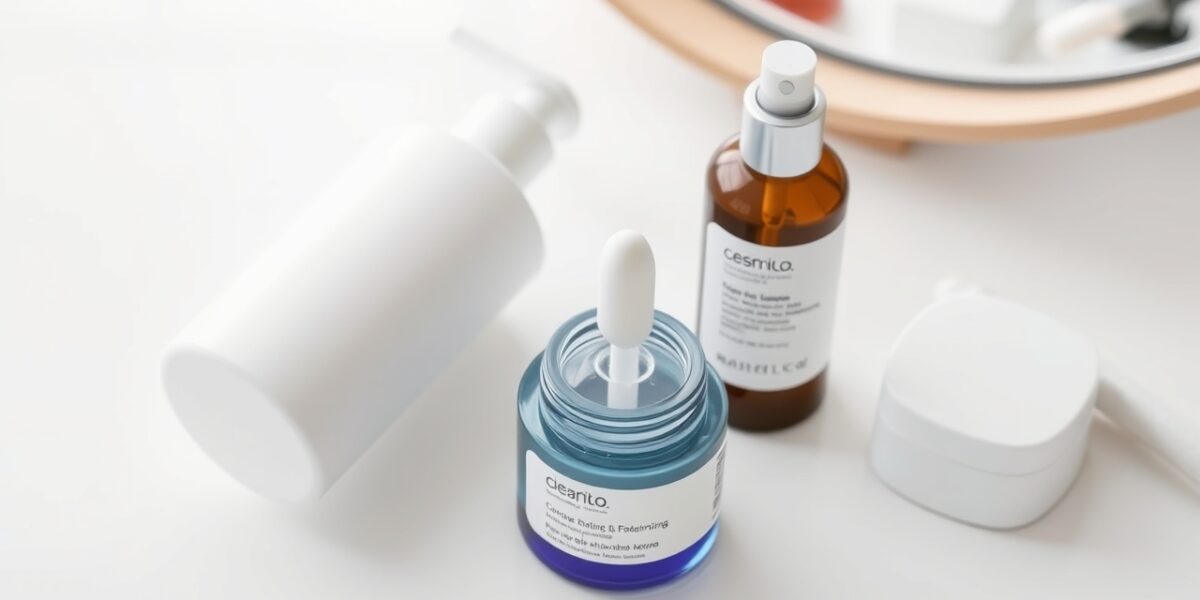
how to layer skincare products is a skill that can transform your routine. When I first discovered the power of a well‑structured routine, I realized that the order in which I applied each product was as important as the products themselves.

How to Layer Skincare Products for Radiant Skin
Think of your routine as a symphony. Each component must arrive at the right moment to create harmony. The general principle is simple: start with the lightest texture and finish with the heaviest. Water‑based formulas, for example, come before oil‑based ones. This ensures that each ingredient can penetrate properly and that heavier creams do not sit on top of lighter layers.
The Core Steps of a Classic Routine
- Cleanser: Removes dirt, oil, and residue.
- Toner (optional): Balances pH and prepares skin.
- Serum: Concentrated actives.
- Treatment (spot or targeted): Specific concerns.
- Moisturizer: Hydration lock.
- Sunscreen: Daily protection.
Each step follows the same logic: lighter first, heavier last. This is the foundational layering rule that applies whether you use a gel or a cream.


What Goes First? The Cleanser and Toner
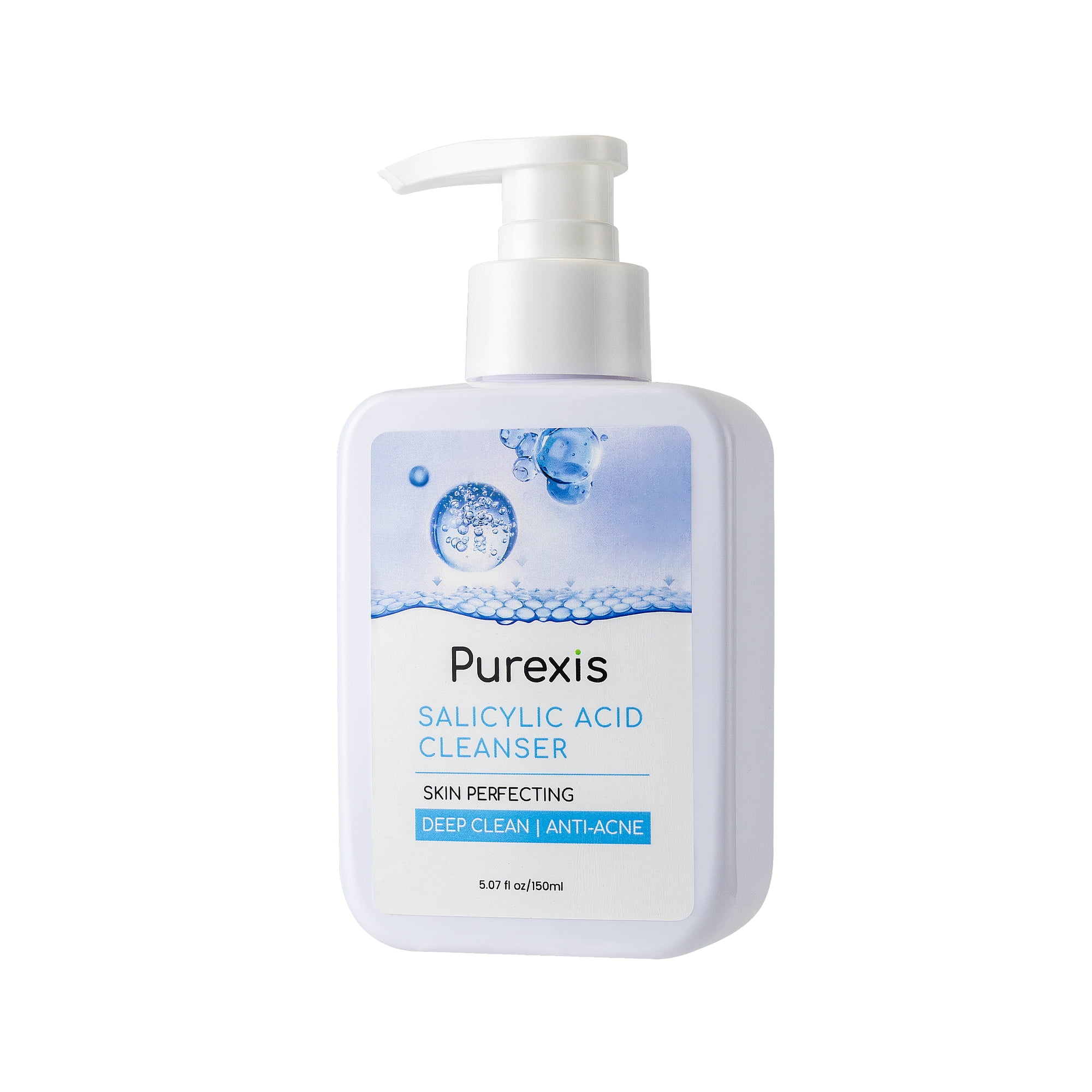
Start with a gentle cleanser. It lifts grime and sets the stage for the next layers. If you prefer a toner, apply it after cleansing. Toners are thin, water‑based, and help smooth the skin’s surface. They are the ideal bridge between cleansing and the more potent actives that follow.
Serum Before Moisturizer: Why the Order Matters
One of the most common questions is: serum before moisturizer? The answer is yes, almost always. Serums are formulated with high concentrations of active ingredients and lighter in texture. They need to be absorbed by the skin before a heavier moisturizer seals them in. Think of a serum as a nutrient boost that only works if the skin can take it in, not if a thick cream sits on top and blocks absorption.
Layering Rules for Active Ingredients
When you combine actives, keep these rules in mind:
- Compatibility: Some actives work best together; others conflict. For example, vitamin C and niacinamide can be layered but may require a pH adjustment.
- Potency: Apply the most potent actives first. If you have a retinol serum, apply it before a hydrating serum.
- Texture: Lighter textures always go before heavier ones.
- Timing: Some actives work better in the evening (retinol) while others are best in the morning (antioxidants). Adjust the order accordingly.
These layering rules help you avoid product pilling and ensure that each ingredient performs as intended.
Customizing Your Routine for Different Skin Types
- Oily skin: Use lightweight gels and avoid heavy creams. Opt for oil‑free moisturizers and a mattifying sunscreen.
- Dry skin: Choose richer emollients and avoid alcohol‑based toners. A hydrating serum with hyaluronic acid can help.
- Sensitive skin: Stick to fragrance‑free formulas and test new actives one at a time.
- Combination skin: Treat problem areas with targeted spot treatments while using a balanced moisturizer for the whole face.
Evening vs. Morning: The Shift in Order
Morning routines typically prioritize sun protection after all actives. In the evening, sunscreen is omitted, and additional restorative products like retinoids or peptide creams can be added. The order remains light‑to‑heavy, but the ingredients shift to support repair and renewal.
Common Mistakes to Avoid
- Skipping the cleanser: Residual makeup or sunscreen can block actives.
- Applying moisturizer before serum: This blocks absorption.
- Layering too many heavy products: Leads to the dreaded “pilling.”
- Using the same product twice: Over‑applying can irritate the skin.
How to Test New Products in Your Order
- Start with a small patch on your jawline.
- Wait 24 hours to observe any reaction.
- Once confirmed safe, integrate it into your routine following the established order.
By following this systematic approach, you reduce the risk of irritation while still enjoying the benefits of new actives.
Professional Insight: The Science Behind the Order
Research published on skincare science shows that the skin’s barrier functions best when water‑based actives are absorbed first, followed by occlusive layers that lock in moisture. This principle is the backbone of the skincare order many dermatologists recommend.
Maintaining Consistency: How Often to Layer
Consistency is key. Aim to follow the same order every day, adjusting only for seasonal changes or new concerns. A stable routine allows your skin to adapt and respond over time.
Integrating Sunscreen: The Final Layer
Sunscreen is the last step because it creates a protective barrier on top of all other products. Apply about a nickel‑sized amount for your face and let it absorb before moving onto makeup.
Why Understanding the Order Matters
When you know what goes first, you can confidently build a routine that maximizes each product’s benefits and avoids common pitfalls. The order is not arbitrary; it’s a science‑driven approach that respects the skin’s natural absorption pathways.
Time‑Saving Tips: Multi‑Tasking the Order
- Dual‑Action Serums: Choose serums that combine antioxidant and hydrating benefits.
- Moisturizer with SPF: Saves a step by combining moisturizer and sunscreen.
- Night Creams with Retinol: Replace separate retinol serum and moisturizer.
These options reduce the number of steps while still respecting the layering logic.
Conclusion
Mastering how to layer skincare products unlocks the full potential of your routine. By following the light‑to‑heavy rule, placing serums before moisturizers, and respecting the key layering rules, you create a regimen that feels effortless and delivers visible results. Remember, consistency is the key, not perfection.
For more in‑depth guidance, visit our main page where we dive into specific concerns and tailored routines.
Understanding Skin pH and Barrier
The skin’s natural pH ranges from 4.5 to 5.5, slightly acidic to protect against bacteria. When you introduce products with a vastly different pH, you can disrupt this balance, leading to irritation or breakouts. A gentle cleanser that maintains this pH, followed by a toner that restores it, sets a stable foundation for actives that often require a specific pH range to work effectively.
What Is Skin pH?
Skin pH is a measure of acidity or alkalinity. A lower number means more acidic. Most serums, especially antioxidant ones like vitamin C, need a lower pH to penetrate. Conversely, moisturizers often have a neutral to slightly alkaline pH to help lock in moisture.
How to Maintain pH Balance
- Choose a pH‑balanced cleanser.
- Use a pH‑neutral toner.
- Avoid harsh, alcohol‑based toners that can raise skin pH.
- Apply actives in the order that respects their optimal pH.
Layering with Masks and Exfoliants
Facial masks and exfoliants are powerful tools but can interfere with the absorption of other products if not timed correctly.
When to Use a Mask
- After cleansing and before serums.
- Leave on for 10–15 minutes, then rinse.
- Follow with a serum that targets the mask’s benefits (e.g., a hydrating serum after a clay mask).
Exfoliants: Chemical vs. Physical
- Chemical exfoliants (AHA/BHA): Apply after cleansing, before serums. Wait 5–10 minutes before the next step.
- Physical exfoliants: Use sparingly; apply after cleansing, then rinse and proceed to serums.
Product Application Techniques
How you apply products can be as important as the order.
Finger vs. Tool
- Use fingertips for serums and moisturizers; they’re gentle and reduce contamination.
- Use a brush or sponge for cleansers and toners to ensure even coverage.
Patting vs. Rubbing
- Pat gently to encourage absorption.
- Avoid rubbing, which can irritate sensitive skin.
Common Skincare Myths Debunked
- “More product equals better results.” Overloading can cause pilling and irritation.
- “You must wait 24 hours between products.” Most actives can be layered directly; the key is texture.
- “Sunscreen can be applied over moisturizer.” It should be the last step to form a protective film.
- “You can skip toner.” While optional, toner restores pH and prepares the skin.
Seasonal Adjustments
Your routine should evolve with the seasons to address changing moisture needs and environmental stressors.
Winter: Hydration First
- Use richer cleansers with added oils.
- Incorporate a hydrating serum with hyaluronic acid.
- Finish with a heavier occlusive moisturizer.
Summer: Light and Protective
- Switch to a gel‑based cleanser.
- Use a light, oil‑free serum.
- Finish with a broad‑spectrum SPF 30+ sunscreen.
Troubleshooting Common Issues
- Pilling: Usually caused by layering a heavier product over a lighter one. Stick to the light‑to‑heavy rule.
- Breakouts: Often due to incompatible actives or over‑exfoliation. Reduce frequency or separate products into morning/evening.
- Dryness: Add a hydrating serum or increase moisturizer thickness.
- Redness: Test new actives on a patch first and introduce slowly.
Time‑Saving Routine Hacks
- Sheet Masks: Use as a quick hydration step between cleanser and serum.
- Dual‑Action Toners: Combine hydrating and exfoliating ingredients.
- Multi‑Layered Creams: Creams that include antioxidants, peptides, and SPF.
- Night Creams with Retinol: Replace separate retinol serum and moisturizer.
FAQ
- how to layer skincare products – The best way is to start with the lightest texture and finish with the heaviest, following the serum before moisturizer rule and the core layering rules.
- What is the most important layering rule? – Begin with water‑based products and finish with oil‑based ones.
- Can I apply sunscreen before moisturizer? – No, sunscreen should be the last step to form a protective barrier.
- Is it okay to skip the toner? – Yes, if you find it unnecessary, but it can help balance pH.
- How often should I change my routine? – Adjust seasonally or when you notice new skin concerns; otherwise, keep the same order daily for consistency.
Leave a Reply