Simple skincare routine for beginners can be broken down into just three easy steps. When you’re new to caring for your skin, a streamlined approach helps avoid overwhelm and builds confidence.
Why a Simple Skincare Routine for Beginners Matters
Our skin is the largest organ, acting as a barrier against environmental stressors. A routine that is too complex can lead to over‑exposure to active ingredients, causing irritation or breakouts. By focusing on the essentials, you give your skin the chance to adapt and thrive.
Understanding Your Skin Type
Before you pick products, identify whether you’re dealing with oily, dry, combination, or sensitive skin. A quick test can help: wash your face with lukewarm water, pat dry, and wait 30 minutes. If your skin feels tight or flaky, you’re likely dry; if it looks shiny and feels greasy, you’re oily; if you notice oil in the T‑zone but dryness elsewhere, you’re combination; and if you experience redness or stinging after product use, you’re sensitive.


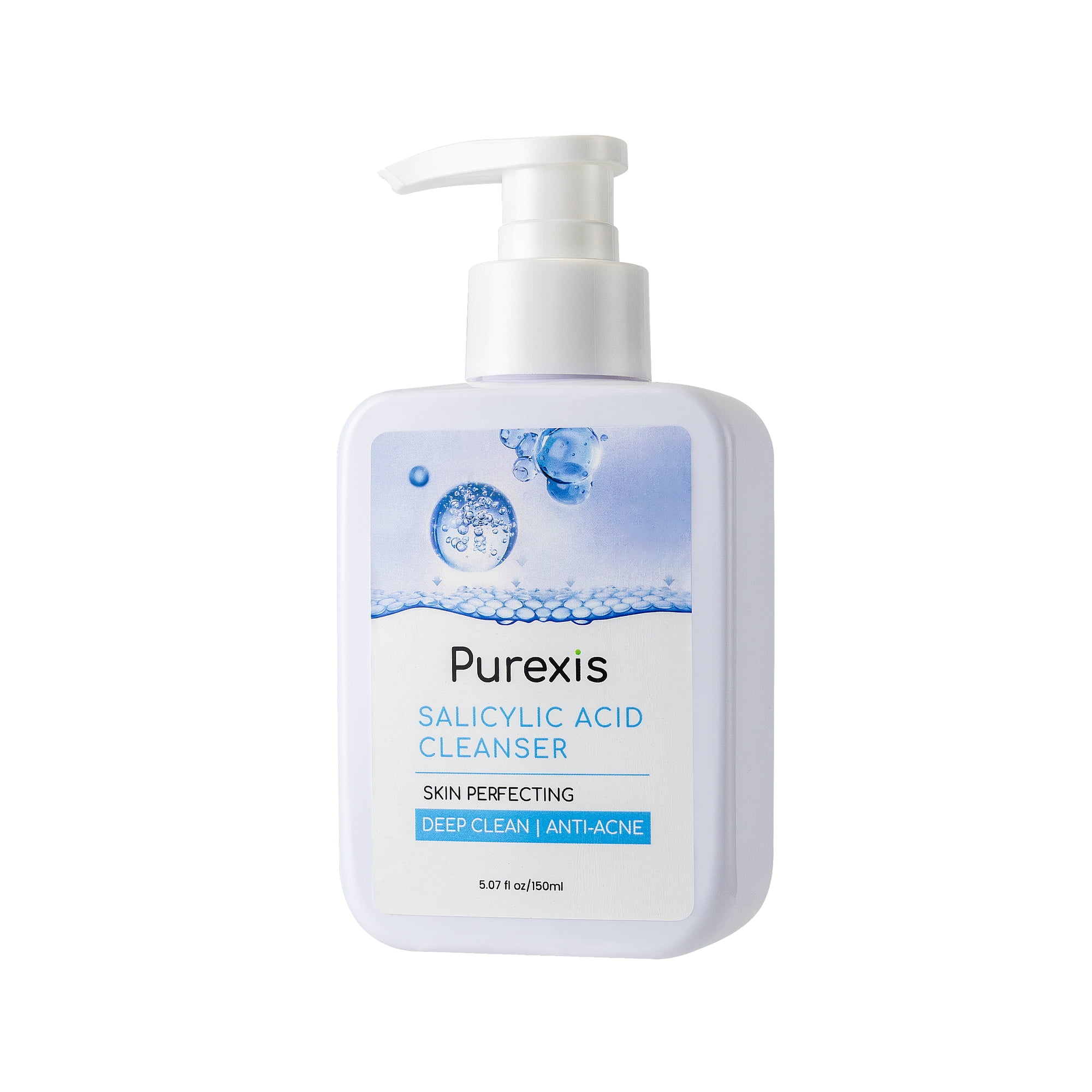
Choosing the Right Cleanser
Cleanse is the foundation of any routine. Pick a gentle, fragrance‑free formula that matches your skin type.
Examples of Good Cleanser Choices
- For oily skin: CeraVe Foaming Facial Cleanser – contains niacinamide and ceramides.
- For dry skin: Vanicream Gentle Facial Cleanser – non‑foaming, sulfate‑free.
- For combination skin: La Roche‑Posay Toleriane Hydrating Gentle Cleanser – balanced hydration.
- For sensitive skin: Cetaphil Gentle Skin Cleanser – hypoallergenic, no fragrance.
Cleansing Techniques
- Use lukewarm water; hot water can strip natural oils.
- Apply a dime‑sized amount to damp skin. Gently massage in circular motions for 30–60 seconds.
- Rinse thoroughly and pat dry with a clean towel.
- For makeup days, add a second step: a cleansing balm or oil to dissolve heavier formulas.
Moisturizer Deep Dive
Moisturizing replenishes the skin’s barrier and locks in hydration. The texture and ingredient profile should align with your skin type.
Texture Matters
- Gel or lotion: Ideal for oily and combination skin; lightweight and non‑comedogenic.
- Cream or balm: Best for dry and mature skin; richer and occlusive.
- Water‑based serums: Good for all skin types if you want a boost of active ingredients.
Ingredients to Look For
- Hyaluronic acid: Pulls water into the skin; great for all types.
- Ceramides: Rebuilds the barrier; essential for dry or sensitive skin.
- Niacinamide: Reduces redness and regulates oil production.
- Antioxidants (vitamin C, E, green tea): Protect against free‑radical damage.
Sunscreen Science
Sun protection is the single most effective step for preventing premature aging and skin cancer. Choose a broad‑spectrum SPF 30 or higher.
Broad Spectrum Explained
- UVB rays cause sunburn; UVA rays penetrate deeper, leading to photoaging.
- A broad‑spectrum sunscreen blocks both UVA and UVB.
SPF Numbers
- SPF 30 blocks ~97% of UVB rays; SPF 50 blocks ~98%.
- A higher number does not mean proportionally more protection; focus on application quantity.
Optional Add‑Ons
Once you’re comfortable with the 3‑step core, you can layer in targeted treatments. Keep it minimal – one or two additions at most.
Chemical Exfoliants
- Acids like glycolic (AHA) or salicylic (BHA) gently dissolve dead cells.
- Start with 1–2 times per week; if your skin tolerates it, increase to 3 times.
Targeted Serums
- Niacinamide for uneven tone.
- Vitamin C for brightening.
- Peptides for firmness.
Sheet Masks
- Use once or twice a week for an instant hydration boost.
- Choose sheets infused with hyaluronic acid or collagen.
Nighttime Care
At night, the skin repairs itself. A richer formula can support this process.
Retinoids
- Retinol or retinaldehyde improves cell turnover.
- Start with a 1–2% concentration once or twice a week, then increase as tolerated.
Night Creams
- Look for ceramides, peptides, and antioxidants.
- Apply in a gentle upward motion, focusing on dry patches.
Common Mistakes in Detail
Product Overload
Adding too many products can overwhelm the skin’s barrier. Stick to the core 3 steps and add one optional layer at most.
Skipping Sunscreen
Even on cloudy days, UV rays penetrate. Daily sunscreen protects against photoaging and skin cancer.
Over‑Exfoliation
Exfoliating more than 2 times a week can damage the barrier, leading to redness and sensitivity.
Troubleshooting Common Issues
Redness or Irritation
- Switch to a fragrance‑free, hypoallergenic cleanser.
- Use a calming serum with centella or aloe.
Oiliness or Breakouts
- Incorporate a BHA exfoliant to clear pores.
- Use a lightweight gel moisturizer with niacinamide.
Dryness or Flaking
- Apply a richer cream at night and a hydrating serum in the morning.
- Consider a humidifier in dry climates.
Tips for Busy Lifestyles
Morning Routine
- Cleanse → Moisturize → Sunscreen. Keep the steps to 3 minutes.
- Use a multitasking product (e.g., moisturizer with SPF) to save time.
Evening Routine
- Cleanse → Optional serum → Moisturizer. 5 minutes is enough.
- Use a travel‑size cleanser and moisturizer for on‑the‑go touch‑ups.
Building the Routine: Step‑by‑Step Timeline
- Morning: 7:00 am – Cleanse. 7:15 am – Moisturize. 7:30 am – Sunscreen.
- Evening: 9:00 pm – Cleanse. 9:15 pm – Optional serum (if using). 9:30 pm – Moisturizer.
- Weekly: 1–2 times – Chemical exfoliant. 1–2 times – Sheet mask.
- Monthly: 1 time – Retinoid introduction (if desired).
Further Learning
For a deeper understanding of skin biology and how products interact with the skin barrier, check out the “Skin care” page on Wikipedia. For more detailed guides and community support, visit “Healthy Skin World”.
FAQ
- What is a simple skincare routine for beginners? It is a minimal set of steps—cleanse, moisturize, and protect—that anyone can follow daily to maintain healthy skin.
- Can I skip the moisturizer if my skin feels oily? Even oily skin benefits from a lightweight moisturizer to support the barrier; skipping it can lead to over‑production of oil.
- How often should I exfoliate? 1–2 times per week with a gentle exfoliant is sufficient for most beginners.
- Do I need sunscreen on cloudy days? Yes, UV rays penetrate clouds; daily sunscreen protects against sun damage.
- Can I use the same cleanser every day? Yes, a gentle, fragrance‑free cleanser works well for twice‑daily use.
Leave a Reply