
Post acne marks vs acne scars is a phrase that many people hear after a breakout, yet the nuance between the two can feel like a mystery. In this article, we’ll unpack the science behind each type of skin aftermath, explain how they differ, and give you a practical roadmap for recovery.
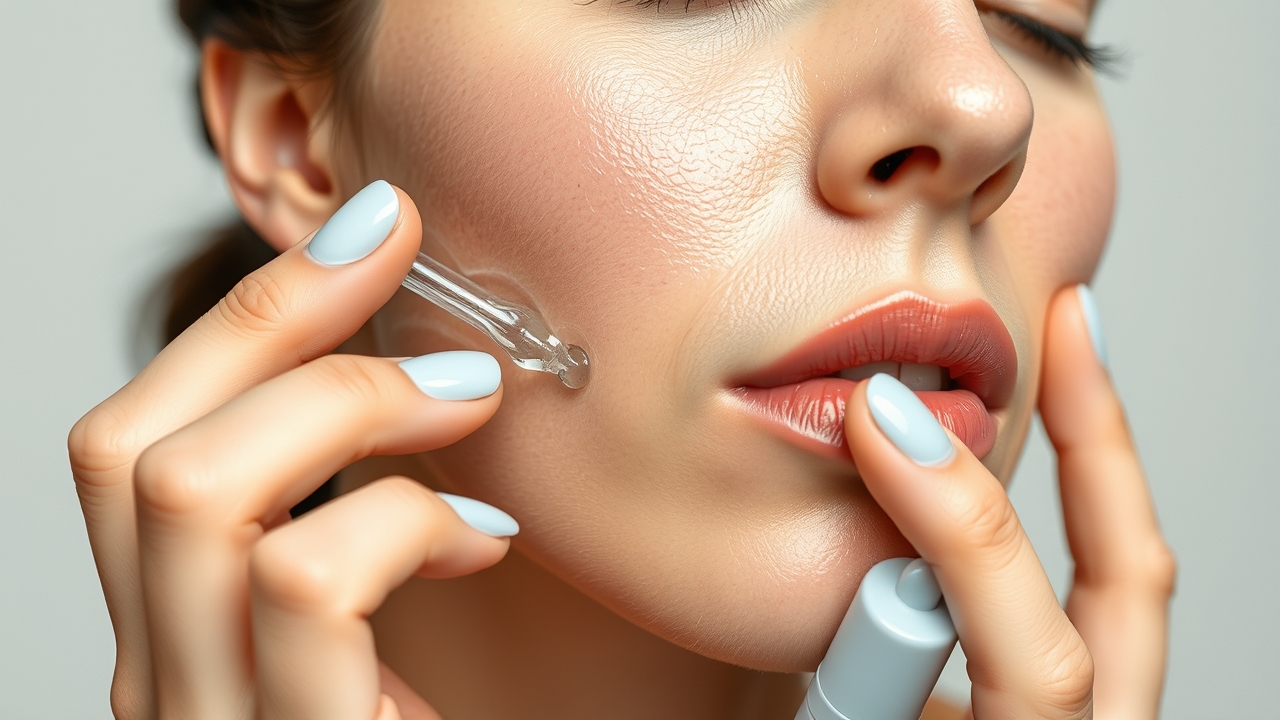
Post Acne Marks vs Acne Scars: Know the Difference
When acne heals, the skin can leave behind two distinct types of blemishes: marks and scars. While they might look similar at first glance, their causes, textures, and treatment pathways diverge significantly. Understanding the difference marks scars is the first step toward choosing the right care routine.
What Are Post Acne Marks?
Post acne marks are temporary changes in skin pigmentation that appear after an acne lesion has closed. They are often darker or lighter than the surrounding skin and can last from a few weeks to several months. The main triggers include:


- Inflammation. During the healing process, the body releases melanin to protect the area, leading to hyperpigmentation.
- Sun exposure. UV rays can intensify dark spots, prolonging their visibility.
- Hormonal fluctuations. These can heighten the skin’s response to inflammation.
Red marks after acne are typically a sign that the skin is still healing; the redness fades as the inflammation subsides, but the pigment may linger.
What Are Acne Scars?
Acne scars, on the other hand, are permanent structural changes to the skin’s texture. They develop when the inflammatory process damages deeper layers of the dermis, disrupting collagen production. Common scar types include:
- Atrophic (ice pick, boxcar, rolling). These are depressions or pits that feel like indentations.
- Hypertrophic and keloid. Raised, thickened scars that can extend beyond the original lesion.
- Granulomatous. Small, firm bumps that may appear as a result of severe inflammation.
Unlike marks, scars alter the skin’s architecture and typically do not fade on their own.
Key Differences: Marks vs Scars
- Duration. Marks are temporary; scars are permanent unless treated.
- Texture. Marks are flat; scars have raised or depressed texture.
- Location. Marks appear directly over the healed lesion; scars can spread beyond the original spot.
- Treatment. Marks respond to topical lightening agents; scars often require procedural interventions.
Why Some People Get Marks, Others Get Scars
The outcome depends on several factors:
- Severity of the acne. Deep, inflamed lesions are more likely to scar.
- Skin type. Oily or darker skin may develop more pronounced hyperpigmentation.
- Genetics. Some people have a predisposition to scarring.
- Post‑care habits. Picking, excessive washing, or sun exposure can tip the balance toward scarring.
Common Types of Acne Marks
- Hyperpigmentation. Dark spots that fade over months.
- Hypopigmentation. Light patches that may take longer to normalize.
- Post‑inflammatory erythema. Persistent redness that signals ongoing healing.
Common Types of Acne Scars
- Ice pick scars. Narrow, deep pits often seen on the cheeks.
- Boxcar scars. Wider, square‑shaped depressions.
- Rolling scars. Long, rolling depressions that run parallel to the skin’s lines.
How to Fade Acne Marks
Below is a step‑by‑step routine that can help fade acne marks and reduce redness after acne:
- Sun protection. Apply a broad‑spectrum SPF 30+ daily. UV rays intensify pigmentation.
- Gentle cleansing. Use a sulfate‑free cleanser to avoid stripping natural oils.
- Targeted serums. Look for ingredients like niacinamide, vitamin C, azelaic acid, or alpha‑hydroxy acids that help even skin tone.
- Moisturize. A lightweight, non‑comedogenic moisturizer keeps the barrier intact.
- Exfoliation. 1–2 times per week with a chemical exfoliant can speed pigment turnover.
- Professional treatments. For stubborn marks, consider micro‑needling or laser therapy under a dermatologist’s guidance.
How to Treat Acne Scars
Because scars alter skin structure, they often require more intensive intervention. Options include:
- Microneedling. Creates micro‑injuries that stimulate collagen remodeling.
- Dermal fillers. Temporarily fill depressions to level the skin.
- Laser resurfacing. Reshapes the dermis and promotes new collagen.
- Chemical peels. Removes the outer layer, encouraging new skin growth.
- Subcision. Releases fibrous bands that pull the skin down.
Always consult a qualified professional to choose the most suitable procedure for your skin type and scar severity.
Daily Skincare Routine for Post Acne Marks vs Acne Scars
Below is a balanced routine that addresses both marks and scars while supporting overall skin health:
- Morning: Cleanse → Treat (serum with vitamin C or niacinamide) → Moisturize → SPF 30+.
- Evening: Cleanse → Treat (serum with azelaic acid or AHAs) → Moisturize → Optional: Retinoid (if skin tolerates).
- Weekly: Exfoliate (chemical) → Sheet mask (hydrating).
When to Seek Professional Treatment
Consider a dermatologist if:
- Marks persist beyond 6 months.
- Scars are deep, extensive, or causing emotional distress.
- You have sensitive or reactive skin that worsens with over‑treatment.
- Home remedies aren’t delivering visible results.
Prevention: Avoiding Post Acne Marks and Acne Scars
Prevention is the most effective strategy. Key habits include:
- Never pick or squeeze lesions. This drives inflammation deeper.
- Keep skin hydrated. A healthy barrier reduces inflammation.
- Use non‑comedogenic products. Prevent clogged pores.
- Apply sunscreen daily. Protect against UV‑induced pigmentation.
- Maintain a balanced diet. Foods rich in antioxidants support skin repair.
For more holistic tips, check out Healthy Skin World where we share evidence‑based skin care strategies.
FAQ
- What is the difference between post acne marks vs acne scars?
- Post acne marks are temporary pigment changes that fade with time, while acne scars are permanent structural changes that require professional treatment to improve.
- How long does it take for post acne marks to fade?
- Most marks improve within 3–6 months with proper sun protection and topical care, though some may take up to a year.
- Can I treat acne scars at home?
- Light atrophic scars may improve with topical retinoids or chemical peels, but deeper scars often need professional procedures like microneedling or laser therapy.
- What are red marks after acne and how can they be managed?
- Red marks indicate ongoing inflammation; gentle soothing serums, avoiding harsh scrubs, and consistent sunscreen can help reduce redness.
- Is it safe to use retinoids on acne scars?
- Retinoids can stimulate collagen production, but they may cause irritation in sensitive skin. Start with a lower concentration and consult a dermatologist if needed.
Understanding the distinction between post acne marks vs acne scars empowers you to choose the right products and treatments. With consistent care, patience, and the right professional guidance, you can reduce both pigmentation and structural changes, revealing smoother, more even skin.
Leave a Reply