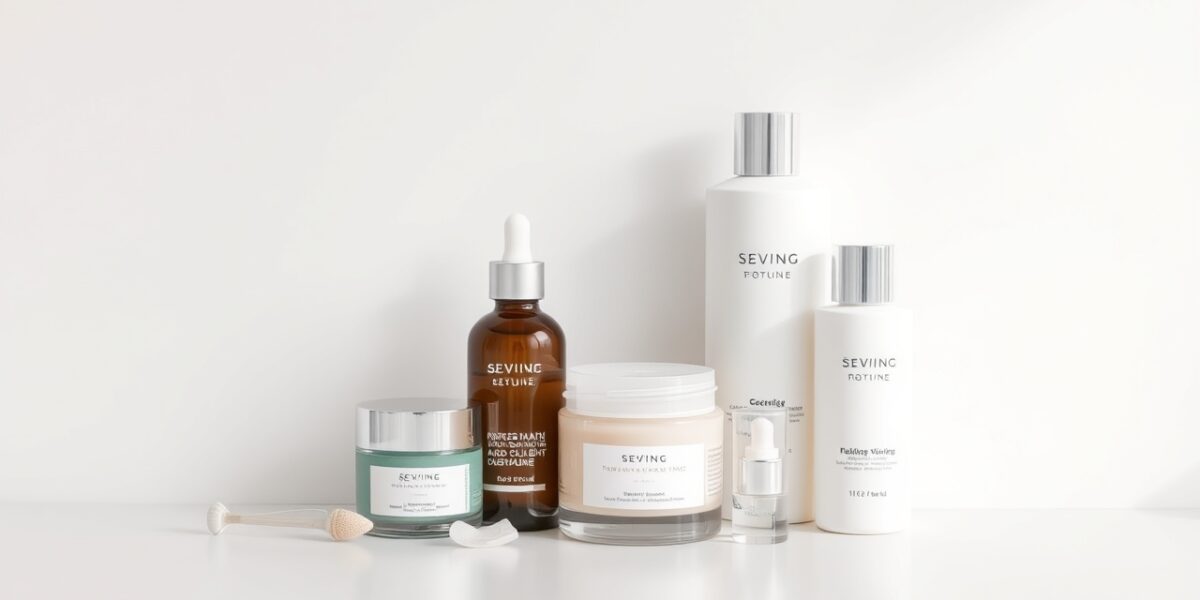
How to get an even skin tone is a goal many of us share, especially when uneven patches, redness, or dullness make us feel self‑conscious. While the journey to a flawless complexion can feel intimidating, it is largely about consistency, gentle care, and a few smart habits.
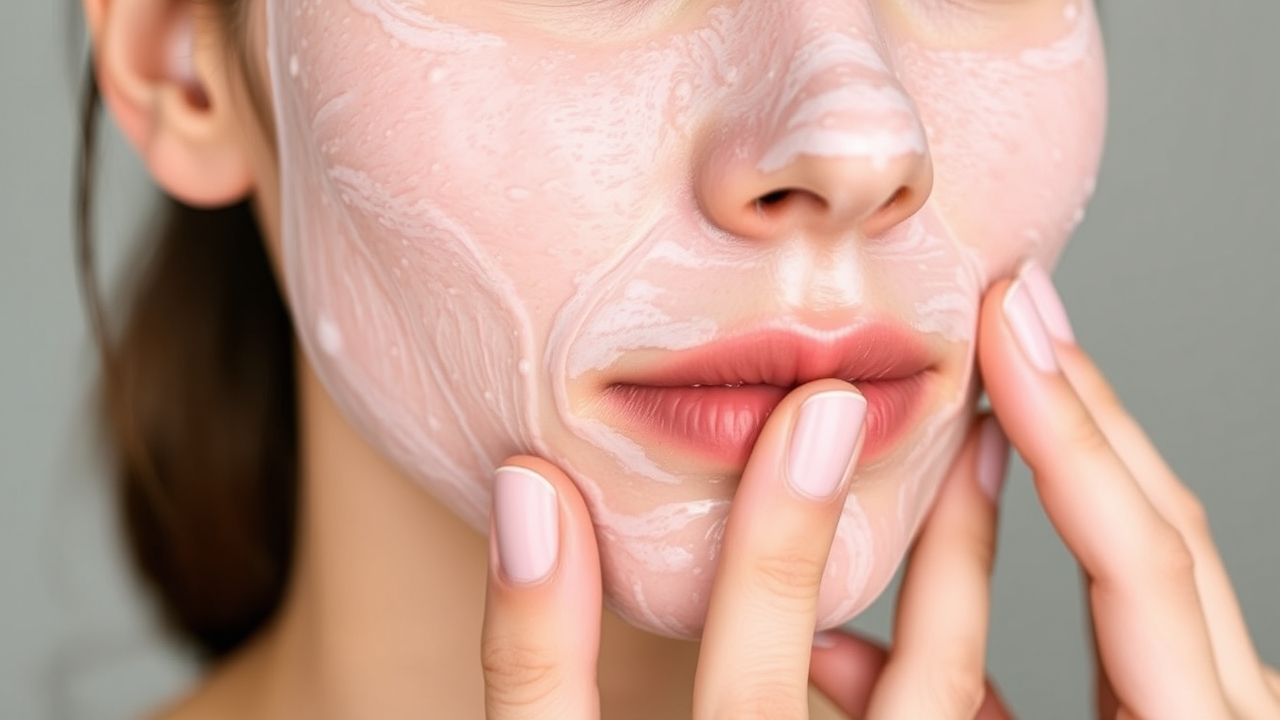
Why an Even Skin Tone Matters
When your skin looks even, it reflects overall health and confidence. Uneven tone can stem from a variety of factors—sun damage, hormonal shifts, environmental pollutants, or simply the natural aging process. By addressing these root causes, you can create a foundation that supports lasting radiance.
Common Causes of Uneven Skin
- Sun Exposure: UV rays increase melanin production, leading to dark spots.
- Hormonal Changes: Pregnancy, menopause, or birth control can trigger hyperpigmentation.
- Inflammation: Acne, rosacea, or eczema leave behind red or discolored marks.
- Environmental Stressors: Pollution, smoke, and harsh weather can clog pores and cause dullness.
- Inadequate Skincare: Over‑cleansing, skipping exfoliation, or using harsh products can disrupt the skin barrier.
The Foundation: Gentle Cleansing
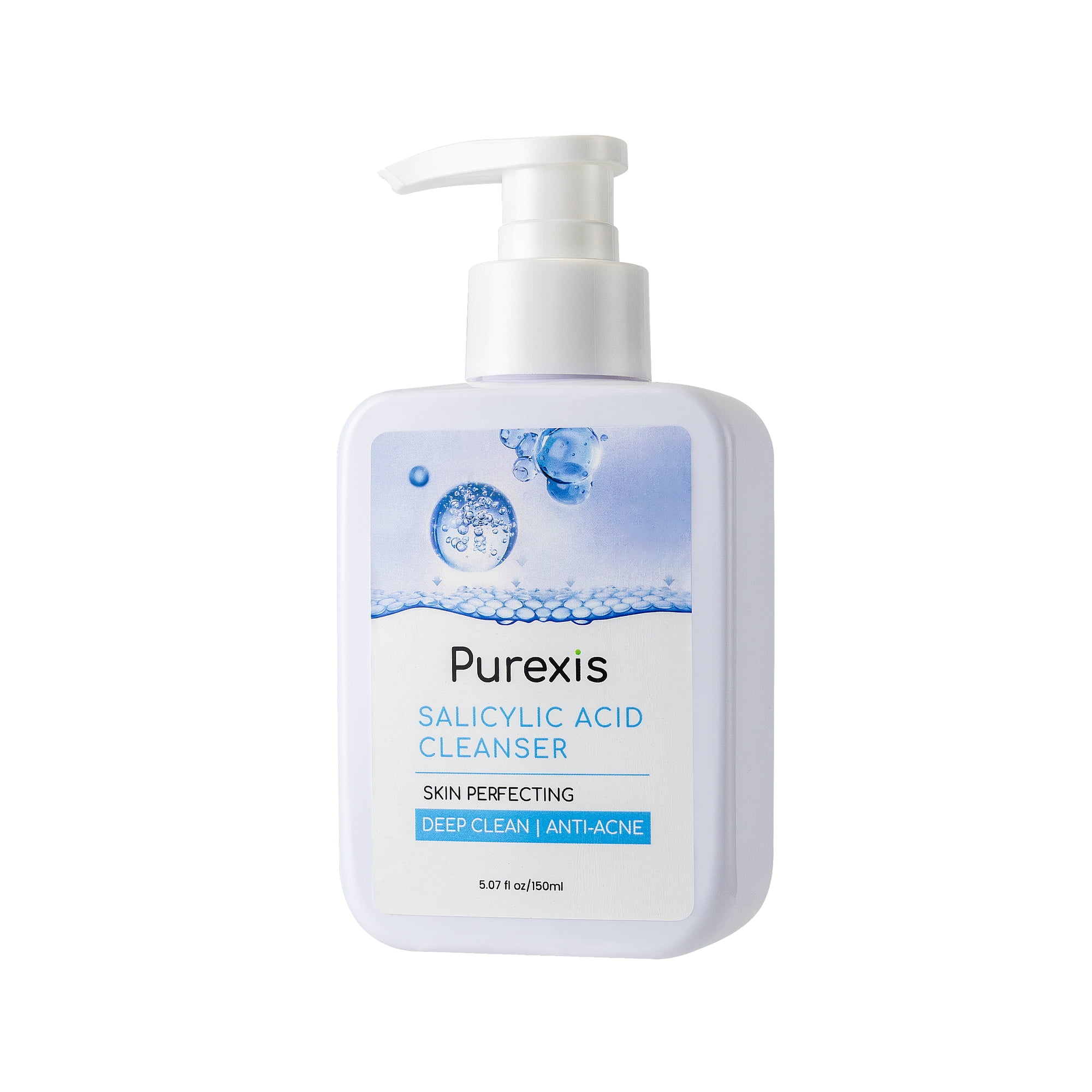
Start with a cleanser that respects your skin’s natural pH. Over‑aggressive soaps strip essential oils, causing irritation and rebound pigmentation. Aim for a mild, fragrance‑free formula that preserves the barrier while removing impurities. A double‑step cleanse—first with a gentle micellar water, then a cream or gel cleanser—can be especially effective for oily or acne‑prone skin.


Exfoliation: The Key to Smoothness
Exfoliation removes dead skin cells, encouraging new cell turnover and revealing fresher skin. Choose a gentle chemical exfoliant (AHA or BHA) over physical scrubs to avoid micro‑trauma. Use 1–2 times a week, gradually increasing as tolerance builds.
Brighten Dull Skin: Light‑Enhancing Exfoliants
For those looking to brighten dull skin, an AHA such as glycolic acid can gently dissolve the outermost layer, lifting discoloration. Remember to patch test and start with a lower concentration if you’re new to acids. A 5–10% glycolic serum applied at night can noticeably even out tone after 4–6 weeks.
Targeted Treatments: Spotting the Problem
When uneven areas persist, targeted spot treatments can be effective. Look for ingredients that inhibit melanin synthesis—such as niacinamide, vitamin C, or licorice root extract. Apply these to problem zones before moisturizing. For stubborn hyperpigmentation, a 10% tranexamic acid serum can be a game‑changer.
Moisturizing for Balance
Hydration keeps the skin barrier intact, preventing water loss that can worsen unevenness. Choose a lightweight, non‑comedogenic moisturizer that locks in moisture without clogging pores. For daytime, a gel‑cream with hyaluronic acid and ceramides works well. At night, a richer cream with peptides can support repair and tone.
Sun Protection: The Unsung Hero
Sun protection is the single most effective tool for maintaining an even skin tone. Use a broad‑spectrum SPF 30 or higher every day, even when clouds cover the sky. Reapply every two hours if you’re outdoors, and consider a physical blocker like zinc oxide for added defense. Look for a sunscreen that also contains antioxidants—vitamin E or niacinamide—to further calm the skin.
Step‑by‑Step Routine: Morning & Evening
Morning Routine (5 Minutes)
- Cleanse: A gentle gel or cream cleanser to remove overnight oils.
- Toner (Optional): Alcohol‑free hydrating toner with glycerin.
- Serum: Vitamin C 10–15% for brightening and antioxidant protection.
- Moisturizer: Lightweight gel‑cream with ceramides.
- Sunscreen: Broad‑spectrum SPF 50 with zinc oxide.
Evening Routine (10 Minutes)
- Double Cleanse: Remove makeup with micellar water, then cleanse.
- Exfoliate (2–3 times a week): AHA or BHA serum, 5–10% concentration.
- Targeted Treatment: Niacinamide 10% or tranexamic acid 10% serum on dark spots.
- Moisturizer: Rich cream with peptides and hyaluronic acid.
- Optional: Overnight Mask: Hydrating sheet mask 1–2 times a week.
Weekly Add‑Ons for Extra Glow
- Facial Mask: Brightening clay mask (1–2 times a week) to absorb excess oil and reveal a luminous surface.
- Professional Treatments: Chemical peels (10–15% glycolic or 5% TCA) every 4–6 weeks can accelerate cell turnover.
- Micro‑needling: At home with a dermaroller (0.25–0.5mm) once a month to stimulate collagen and improve pigment dispersion.
Lifestyle Tweaks for Long‑Term Glow
- Hydration: Drink at least eight cups of water daily to support cellular function.
- Nutrition: A diet rich in antioxidants—berries, leafy greens, nuts—helps combat free‑radical damage. Omega‑3 fatty acids from fish or flaxseed support barrier health.
- Sleep: Aim for 7–9 hours per night; sleep deprivation can increase cortisol, leading to inflammation and uneven tone.
- Stress Management: Practices like yoga, meditation, or deep‑breathing reduce cortisol spikes that can worsen pigmentation.
- Exercise: Regular movement boosts circulation, delivering oxygen and nutrients to skin cells.
Common Mistakes to Avoid
- Over‑Exfoliating: Too much chemical or physical exfoliation can damage the barrier, leading to redness and post‑inflammatory hyperpigmentation.
- Neglecting Sunscreen: Even on cloudy days, UV rays penetrate; skipping sunscreen is a recipe for darker spots.
- Using Too Many Active Ingredients: Layering multiple potent actives (e.g., retinoid + AHA + vitamin C) can cause irritation; introduce new products gradually.
- Ignoring Patch Testing: New products can trigger allergic reactions; always patch test before full application.
Product Spotlight: How to Choose the Right Ingredients
When shopping for products to even out your skin tone, look for these key ingredients:
- Niacinamide (Vitamin B3): 5–10% concentration reduces melanin transfer and improves barrier function.
- Vitamin C (L‑ascorbic acid): 10–20% concentration brightens and protects against UV damage.
- Tranexamic Acid: 5–10% concentration targets post‑inflammatory hyperpigmentation.
- Azelaic Acid: 10–15% concentration helps with acne and brightening.
- Alpha‑Hydroxy Acids (Glycolic, Lactic): 5–10% concentration for gentle exfoliation.
- Beta‑Hydroxy Acid (Salicylic Acid): 0.5–2% concentration for oily or acne‑prone skin.
Real‑World Success Stories
Jane, 32, struggled with melasma after a year of pregnancy. By incorporating a 10% tranexamic acid serum, a daily SPF 50, and a nighttime niacinamide 10% serum, she saw a 40% reduction in dark patches within 8 weeks.
Mark, 45, dealt with post‑inflammatory hyperpigmentation from acne scars. A weekly 5% glycolic acid peel, combined with a retinol 0.5% nightly, helped fade his scars and evenиз his tone over 6 months.
FAQ
- 1. How long does it take to see results?
- Consistent use of brightening actives typically shows visible improvement in 4–6 weeks, but full results may take 3–6 months depending on severity.
- 2. Can I use retinol if I have uneven skin?
- Yes, retinol promotes cell turnover and can help fade hyperpigmentation. Start with a low concentration (0.25%) and use it 2–3 times per week.
- 3. Is exfoliation necessary for all skin types?
- Gentle chemical exfoliation is beneficial for most skin types, but sensitive skin should start with a lower concentration or skip physical scrubs entirely.
- 4. How do I prevent new dark spots?
- Daily broad‑spectrum sunscreen, avoiding excessive sun exposure, and using antioxidants (vitamin C, E) are key preventive measures.
- 5. Can diet really affect skin tone?
- Absolutely. Foods high in antioxidants and omega‑3 fatty acids support skin health and can reduce inflammation that leads to uneven tone.
For more in‑depth guides on building a balanced skincare routine, check out our Skincare Basics page. If you’re curious about professional treatments, visit Dermatology Insights for expert recommendations.
Leave a Reply