Every morning I stare at the mirror and notice the same thing: a bright, almost mirror‑like sheen that refuses to stay in place. I’ve tried powders, sprays, and every over‑the‑counter “oil‑control” product, yet the shine returns by mid‑afternoon. If this sounds familiar, you’re not alone. The battle against excess facial oil is a common one, and the key to winning it isn’t about blasting the skin with harsh cleansers or cutting out all fats. It’s about balance, precision, and a few smart tweaks to your routine.
1. Understand Why Your Skin Overproduces Oil
Sebum production is a dance between genetics, hormones, and the environment. If you’ve ever noticed that your skin gets oilier during a stressful week or after a hormonal shift, you’re witnessing this dance in real time. The sebaceous glands respond to signals from the body’s endocrine system—especially androgens like testosterone—by pumping out sebum. When the glands are genetically predisposed to be more active, or when stress hormones like cortisol spike, the result is a greasy T‑zone that feels like a constant oil slick.
What many people miss is that the skin’s response is defensive. When you strip the surface with a harsh soap, the barrier tightens, the skin feels dehydrated, and the glands double‑down on oil to protect themselves. That’s why the “cleanse‑more‑often” mantra often backfires. The goal is to keep the skin’s natural moisture lock intact while gently removing excess surface oil.


2. Master Gentle Cleansing
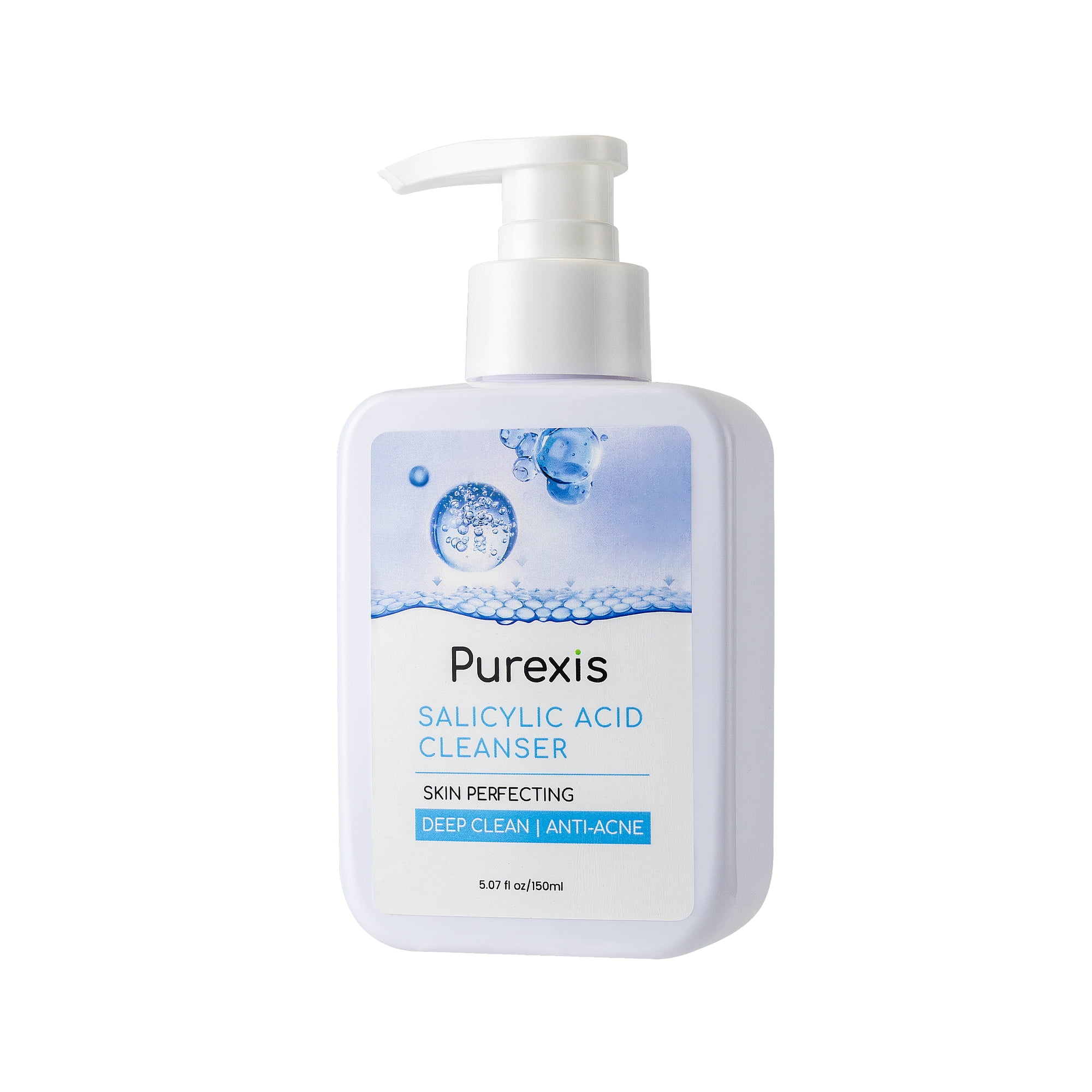
Choose a pH‑balanced cleanser that respects the skin’s natural acidity (around 5.5). Look for a formula that contains a low concentration of salicylic acid (0.5–2%), which dissolves the debris that clogs pores without over‑drying.
- Morning: A single wash with a lightweight gel—think CeraVe Foaming Facial Cleanser or La Roche‑Posay Effaclar Purifying Foaming Gel—removes overnight oil without stripping the barrier.
- Evening: If you wear makeup or sunscreen, start with an oil‑based cleanser (e.g., The Ordinary Squalane Cleanser) to dissolve the product, followed by a water‑based cleanser to finish.
- Water temperature: Lukewarm water keeps the skin’s natural lipids intact; hot water opens pores and can trigger more sebum.
3. Incorporate Targeted Ingredients
Once your skin is clean, it’s time for actives that communicate directly with the sebaceous glands.
- Niacinamide (5–10%): This vitamin B3 derivative calms inflammation, tightens pores, and reduces sebum production. A morning serum like The Ordinary Niacinamide 10% + Zinc 1% works wonders for a matte finish.
- Retinoids: Retinol or adapalene (0.1–0.3%) accelerate cell turnover, preventing clogged pores. Start with 1–2 nights per week, applying at night and following with a gentle moisturizer.
- Clay masks: Weekly 1–2 times, apply a thin layer of kaolin or bentonite. These clays act like a magnet, pulling excess oil out of the pores. Avoid letting the mask dry completely; a slight tackiness signals that you’re still extracting oil.
4. Never Skip the Moisturizer
Hydration is the antidote to over‑production. Pair a lightweight, oil‑free gel moisturizer—such as Neutrogena Hydro Boost Gel‑Cream—with 1–2% hyaluronic acid. The hyaluronic acid draws water into the skin’s deepest layers without adding any lipids, keeping the barrier supple and signaling the glands to tone down.
Remember, dehydrated skin is not the same as dry skin. Dehydrated skin lacks water, not oil. When the barrier feels tight, the glands compensate by pumping more sebum. That’s why a consistent, non‑comedogenic moisturizer is essential. For deeper barrier support, check out our guide at Healthy Skin World.
5. Mattify Naturally When Shine Strikes
Mid‑day shine can be tackled without adding extra product:
- Blotting papers: Gently press a paper onto the T‑zone; it lifts surface oil without disturbing makeup.
- Rose water mist: A light spray of pure rose water balances pH and offers a subtle astringent effect without alcohol.
- Green tea toner: Brew a strong cup, let it cool, and apply with a cotton pad. The tannins help reduce sebum production.
6. Optimize Your Diet for Oil Control
What you eat shows up on your skin. High‑glycemic foods—think sugary pastries, white bread, and instant noodles—cause insulin spikes that, in turn, raise androgen levels and trigger oil production. Swap these for low‑glycemic carbs like quinoa, sweet potatoes, and leafy greens.
Omega‑3 fatty acids—found in salmon, chia seeds, and walnuts—reduce inflammation that can keep the glands in overdrive. Zinc, abundant in pumpkin seeds, lentils, and oysters, helps regulate sebum and fight acne bacteria. And don’t forget water: aim for 2–3 liters a day to keep the skin hydrated from within.
7. Manage Stress and Sleep
Stress releases cortisol, a hormone that signals the sebaceous glands to produce more oil. Simple practices—deep breathing, a short walk, or a bedtime reading routine—can lower cortisol levels. Sleep deprivation disrupts the skin’s repair cycle, leading to an imbalance between oil and moisture. Aim for 7–8 hours of quality sleep; your skin will thank you with a calmer complexion.
8. Choose the Right Sunscreen
Many people shy away from sunscreen because they fear a greasy finish. Mineral sunscreens—those with zinc oxide or titanium dioxide—offer a matte finish and add a subtle powdery feel that tames shine. Look for formulations that include silica or other oil‑absorbing particles. Products like La Roche‑Posay Anthelios Mineral SPF 50+ give broad protection while keeping the T‑zone matte.
Quick Reference Table
| Goal | Recommended Action | Key Ingredient/Tool |
|---|---|---|
| Daily Cleansing | Gentle, pH-balanced wash | Salicylic Acid (BHA) |
| Oil Regulation | Lightweight serum | Niacinamide |
| Hydration | Oil-free gel moisturizer | Hyaluronic Acid |
| Immediate Shine Control | Press and lift | Blotting Papers |
| Weekly Detox | Deep pore mask | Kaolin/Bentonite Clay |
Common Mistakes to Avoid
Over‑use of alcohol‑based toners is a frequent blunder. While they feel “tight,” they strip the acid mantle, leading to irritation and a rebound oil surge. Skipping moisturizer is another trap; dehydration prompts the glands to over‑compensate. Finally, touching your face throughout the day transfers oils and bacteria—keep hands clean or use a tissue.
Final Thoughts on Balancing Your Skin
Reducing excess oil isn’t about erasing all natural sebum. It’s about achieving a harmonious balance where the skin feels hydrated, not greasy, and where pores appear smaller and less inflamed. Consistency is key—give your routine at least four to six weeks to show real change. Adjust for seasonality: in humid summer, lean toward oil‑control ingredients; in dry winter, add a richer barrier balm.
Frequently Asked Questions
How can I reduce excess oil on face quickly?
For an instant fix, blot the T‑zone with a paper or use a mattifying spray. Long‑term, incorporate a BHA cleanser and a niacinamide serum into your daily routine to regulate sebum.
Can washing my face more often help control shine?
No. Over‑cleansing strips the barrier, causing the skin to produce more oil. Stick to twice a day.
Does drinking more water help with sebum control?
Yes. Adequate hydration prevents the skin from over‑producing oil to compensate for internal dryness.
Are oil‑free products better for oily skin?
Generally. Oil‑free or non‑comedogenic products avoid adding extra lipids, but the texture and active ingredients are equally important.
Can diet really affect how much oil my face produces?
Absolutely. Foods with high glycemic index raise insulin and androgen levels, stimulating the sebaceous glands.
Leave a Reply