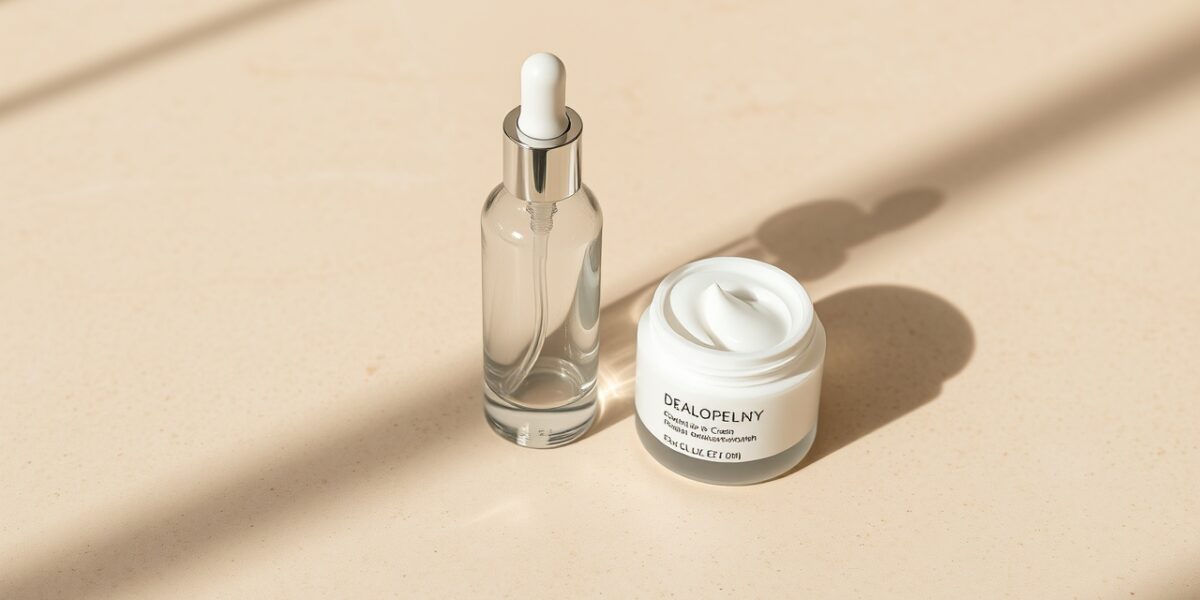
Retinol for sensitive skin is a paradox that many skincare lovers have wrestled with. On one side, the promise of smoother texture, diminished fine lines, and a brighter complexion pulls you in; on the other, the memory of stinging, redness, and peeling keeps you wary. The reality is that most people aren’t allergic to retinoids—they’re simply using the wrong concentration or the wrong technique. By treating the skin as a living, breathing barrier and respecting its limits, you can unlock the power of retinol without the usual side‑effects.
What Exactly Is Retinol?
Retinol sits at the heart of the Vitamin A family—an umbrella term that includes retinaldehyde, retinoic acid, and their synthetic cousins. Unlike prescription tretinoin, over‑the‑counter retinol must travel through two conversion steps inside the skin: retinol → retinaldehyde → retinoic acid. That extra hop is a blessing for sensitive complexions because it throttles the speed at which the active molecule reaches the deeper layers of the epidermis.
Think of the conversion process as a slow‑release battery. The skin’s own enzymes gradually activate the compound, giving your barrier time to adjust. If you jump straight into tretinoin or a high‑concentration retinol, the rapid influx of active acid can overwhelm the lipids that keep your skin intact.


Why Sensitive Skin Feels Different
At its core, sensitive skin is a barrier that’s been compromised—ceramides are low, the lipid layer is thin, and the skin’s pH is often off‑balance. Picture your skin as a fortress made of bricks (cells) held together by mortar (lipids). When the mortar cracks, any new ingredient can seep through the cracks and trigger an inflammatory response. That’s why a potent active can feel like a fire drill for the skin.
When you introduce a strong retinoid, you also accelerate cell turnover. While that’s great for smoothing fine lines, it can strip away the very lipids that protect you from environmental irritants. The first few weeks of a new routine are therefore a delicate dance: you need to build tolerance while keeping the fortress intact.
Choosing the Right Retinol for Your Routine
Not all retinol products are created equal. If you’re hunting for a gentle retinol, look for formulations that combine low potency with supportive ingredients.
Encapsulated Retinol
Encapsulation technology tucks the retinol molecule inside a lipid shell that slowly dissolves as you massage it into the skin. The result is a controlled release that delivers the active deeper over several hours. Because the surface concentration remains low, irritation is dramatically reduced while still allowing the retinol to work its magic.
Retinyl Palmitate
Retinyl palmitate is the mildest ester of retinol. It requires the skin to perform more conversion steps before reaching retinoic acid, which means the active effect is delayed but gentler. The trade‑off is that visible improvements may take longer—often 3–4 months—but the risk of burning is minimal.
Bakuchiol: The Plant‑Based Alternative
Bakuchiol is a botanical compound that mimics retinol’s ability to stimulate collagen and reduce hyperpigmentation, yet it doesn’t trigger photosensitivity or peeling. For those who can’t tolerate even the slightest irritation, bakuchiol is a safe, effective entry point into anti‑aging therapy.
A Step‑by‑Step Routine That Keeps the Skin Calm
Application technique is as crucial as the product itself. Below is a phased plan that gradually introduces retinol while buffering the skin with moisturizer.
Phase 1: The Patch Test
Before you touch your face, spread a tiny amount of the retinol on the inside of your forearm or behind your ear. Leave it on for 48 hours. If you see no redness, itching, or burning, you’re ready to move on. If irritation appears, consider a lower‑strength formula or a bakuchiol alternative.
Phase 2: The Sandwich Method
This method is a favorite among dermatologists for sensitive users. Here’s how to do it:
- Apply a thin layer of a fragrance‑free, non‑comedogenic moisturizer. Look for ceramides, hyaluronic acid, or glycerin.
- Let the moisturizer dry for 10–15 minutes. The skin should feel slightly tacky, not greasy.
- Gently apply a pea‑sized amount of low‑strength retinol. Use your fingertips and spread it evenly.
- Finish with another light layer of the same moisturizer to seal in the actives.
This “sandwich” cushions the retinol, slows its absorption, and reduces the chance of a burn.
Phase 3: The 1‑2‑3 Rule
Build tolerance by increasing frequency gradually. Here’s a simple schedule:
- Weeks 1–2: Use the retinol once a week, preferably on a night after a thorough cleanse.
- Weeks 3–4: Double the frequency to twice a week (e.g., Monday and Thursday).
- Weeks 5–6: If no redness or excessive dryness occurs, use every other night.
- Beyond Week 6: If you’re comfortable, you can transition to nightly use, but only after at least two months of stable, irritation‑free nights.
Always adjust based on how your skin feels. If you notice a flare‑up, step back a frequency level and give the barrier time to recover.
Common Pitfalls That Sabotage Sensitive Skin
Even with a gentle approach, a few missteps can derail progress. Here are the most frequent mistakes and how to avoid them.
Mixing Retinol with Other Exfoliants
Using glycolic or salicylic acid, or even high‑potency vitamin C, on the same night as retinol is a recipe for irritation. The combined exfoliating action strips the barrier and can lead to chemical burns. Reserve acids for mornings (with SPF) or for nights when you’re not using retinol.
Applying to Damp Skin
Wet skin is more permeable, which means retinol will penetrate faster and deeper. While that might sound efficient, it actually increases the likelihood of stinging. Pat your skin dry before application and wait until it feels completely dry.
Skipping Sunscreen
Retinol accelerates cell turnover, exposing fresh, thin layers of skin that are highly photosensitive. If you skip SPF during the day, you risk hyperpigmentation, fine lines, and long‑term damage. A broad‑spectrum SPF 30 or higher should be part of your daily routine, no matter howynight you use retinol.
Listening to Your Skin During the Retinization Period
It’s normal to experience mild dryness or flaking as your skin adapts. Here’s how to tell the difference between a healthy adjustment and a problematic reaction.
Healthy adaptation: Slight tightness, minimal flaking around the nose or mouth, and a feeling of dryness that can be managed with extra moisturizer.
Problematic reaction: Intense burning, bright red patches, itching, or swelling. If any of these occur, stop retinol immediately and focus on barrier repair for at least two weeks. Use products with ceramides, panthenol, and niacinamide to rebuild the lipid layer.
Long‑Term Success: Supporting the Barrier While Using Retinol
Once your skin is comfortable with a low‑strength retinol, you might feel tempted to jump to a stronger formula. Resist the urge. Consistency beats intensity. Instead, reinforce your routine with barrier‑supporting ingredients.
Incorporate Ceramides
Seek serums or creams that contain Ceramide NP, Ceramide AP, and Ceramide EOP. These lipids plug the gaps in the skin’s protective layer and help the skin resist irritation from active ingredients.
Adjust for Seasonal Changes
Winter air is dry and can strip the skin’s natural oils. During colder months, you might need to revert to the sandwich method or reduce the frequency to twice a week. In humid, hot climates, you can often maintain the same schedule, but always monitor for dryness.
Skip a Night When Needed
If you notice a flare‑up—perhaps after a new detergent or a windy day—don’t feel guilty about skipping a retinol night. A single missed night is far better than a week of compromised barrier recovery.
Retinol Strength Hierarchy for Sensitive Users
Below is a quick reference to help you choose the right level of potency:
- Lowest risk: Bakuchiol (plant‑based, non‑retinoid)
- Low risk: Retinyl Palmitate (slowest conversion)
- Moderate risk: Encapsulated Retinol (controlled release)
- Higher risk: Pure Retinol (standard OTC)
- Highest risk: Retinaldehyde or Tretinoin (fastest action, most irritation)
Patience Pays Off
The most common frustration with retinol for sensitive skin is the slow pace of visible improvement. Because you’re building tolerance gradually, you won’t see overnight miracles. Instead, you’ll notice subtle changes: a smoother texture, a more even tone, and a softer line definition after 12–16 weeks of consistent use. By prioritizing barrier health over speed, you avoid the cycle of burn, recovery, and re‑burn that plagues many anti‑aging regimens.
Frequently Asked Questions
How do I know if retinol for sensitive skin is working?
Results are incremental. After 4–6 weeks, you should notice a refinement in texture and a reduction in dullness. Fine lines typically respond after 12 weeks of steady use. Look for a subtle glow and a smoother surface rather than dramatic peeling.
Can I use a gentle retinol every day?
Yes, but only after you’ve successfully used it every other night for at least two months without redness or irritation. Daily use is a sign that the barrier has healed and can handle the active. Always listen to your skin’s daily cues.
What is the best moisturizer to pair with retinol?
Choose fragrance‑free, hypoallergenic options that contain ceramides, hyaluronic acid, or glycerin. Avoid moisturizers with alpha‑hydroxy acids or retinoids, as they can amplify irritation.
Is a mild purge normal when using low‑strength retinol?
A slight purge—small breakouts that appear as the skin renews itself—is common. However, if you experience cystic acne, intense burning, or widespread redness, it’s likely an irritation reaction rather than a purge.
Can retinol be used if I have rosacea?
Many people with rosacea can tolerate retinoids, but it’s essential to start with the lowest possible strength or a bakuchiol alternative. Consultation with a dermatologist is advisable, especially if you have a severe or inflammatory form of rosacea.
For more insights on how to keep your skin healthy while using active ingredients, visit healthy skin habits and learn how to build a resilient barrier that can handle the best of what skincare has to offer.
Leave a Reply