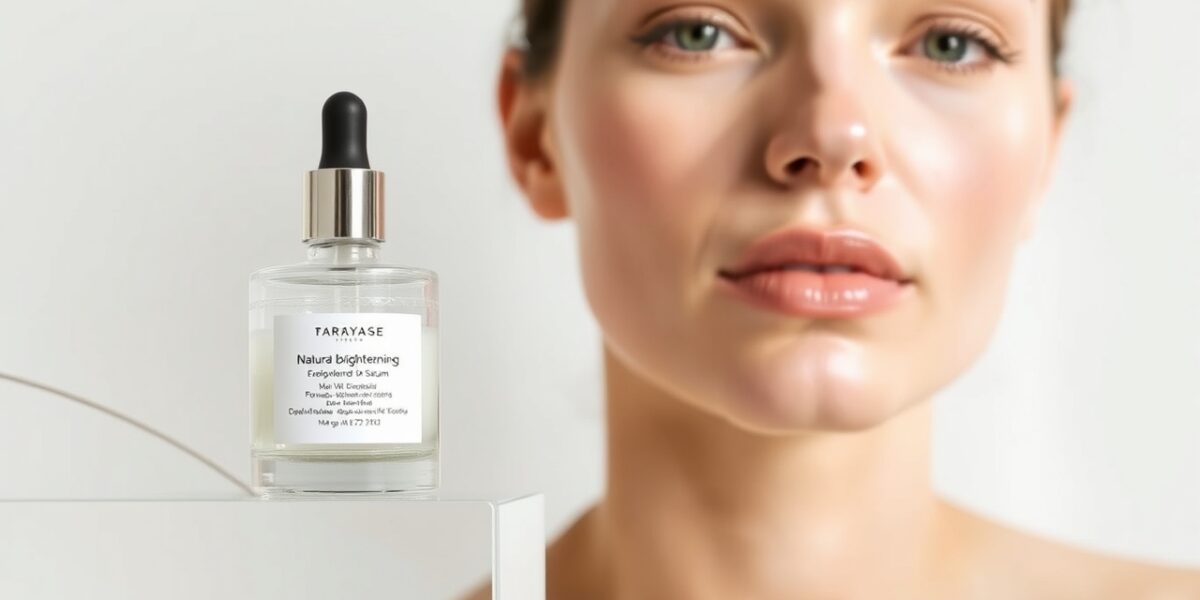
Kojic acid and licorice for skin are two of the most celebrated natural ingredients in the quest for a luminous complexion. They have been used for centuries in traditional medicine and modern beauty formulations, each offering a unique mechanism that targets uneven tone, dark spots, and dullness without the harshness of stronger chemicals.
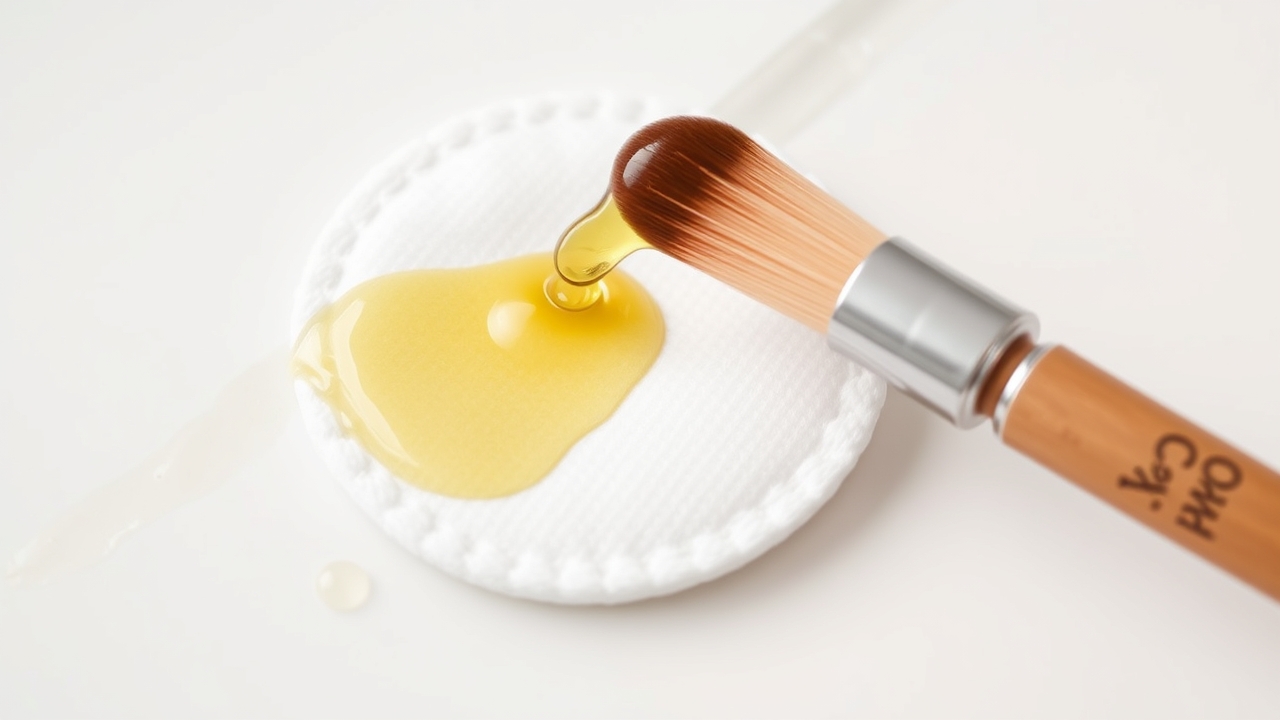
Kojic Acid and Licorice for Skin: A Natural Duo
When you first hear about kojic acid, you might think of a laboratory synthetic compound. In reality, it is derived from the fermentation of rice or other grains by the fungus Mucor miehei. The process produces a low‑molecular‑weight compound that interferes with melanin production, making it an effective depigmenting agent. Licorice, on the other hand, comes from the root of the Glycyrrhiza glabra plant, which has been a staple in East Asian skin care for millennia. Its active component, glabridin, not only lightens but also provides soothing anti‑inflammatory benefits.
When these two ingredients are combined, they create a balanced formula that tackles hyperpigmentation while protecting the skin’s barrier. The synergy between kojic acid’s antioxidant activity and licorice’s anti‑inflammatory properties results in a gentle brightening effect that is suitable for sensitive complexions.


Kojic Acid Benefits
- Melanin Inhibition: Kojic acid chelates iron in melanosomes, reducing the oxidation of tyrosinase, the key enzyme in melanin synthesis.
- Antioxidant Protection: It scavenges free radicals, limiting oxidative stress that contributes to age spots.
- Improved Skin Texture: Regular use can smooth fine lines and promote a more even skin surface.
Licorice Root Benefits
- Glabridin‑Mediated Lightening: Glabridin inhibits tyrosinase activity, similar to kojic acid but with a milder profile.
- Anti‑Inflammatory & Soothing: Licorice reduces redness and calms irritated skin, making it ideal for post‑procedure care.
- Barrier Support: It enhances ceramide production, strengthening the skin’s natural barrier.
How the Ingredients Work Together
While both agents target tyrosinase, their mechanisms differ slightly. Kojic acid forms a complex with the iron ion in the enzyme’s active site, directly preventing melanin synthesis. Licorice’s glabridin, meanwhile, acts as a competitive inhibitor, blocking the enzyme’s ability to convert tyrosine into dopaquinone. Because they operate via distinct pathways, the combination can offer a broader spectrum of action and reduce the risk of tolerance that sometimes develops with single‑ingredient use.
Choosing the Right Product
When shopping for kojic acid and licorice products, look for the following:
- Concentration: 1–2% kojic acid and 0.5–1% glabridin are typical ranges for over‑the‑counter serums. Higher concentrations may be found in prescription‑level formulas but require dermatologist supervision.
- Vehicle: A lightweight, water‑based serum or gel delivers the active ingredients without heavy occlusion, allowing better absorption.
- pH Balance: Kojic acid is most stable and effective at a pH of 4.5–5.5. Most commercial products are formulated within this window.
- Additional Brighteners: Vitamin C, niacinamide, or licorice alone can be combined with kojic acid for a multi‑target approach.
- Packaging: Airless pumps or dark‑glass bottles protect the ingredients from oxidation and light degradation.
Step‑by‑Step Routine
Below is a simple routine that incorporates kojic acid and licorice for maximum safety and efficacy.
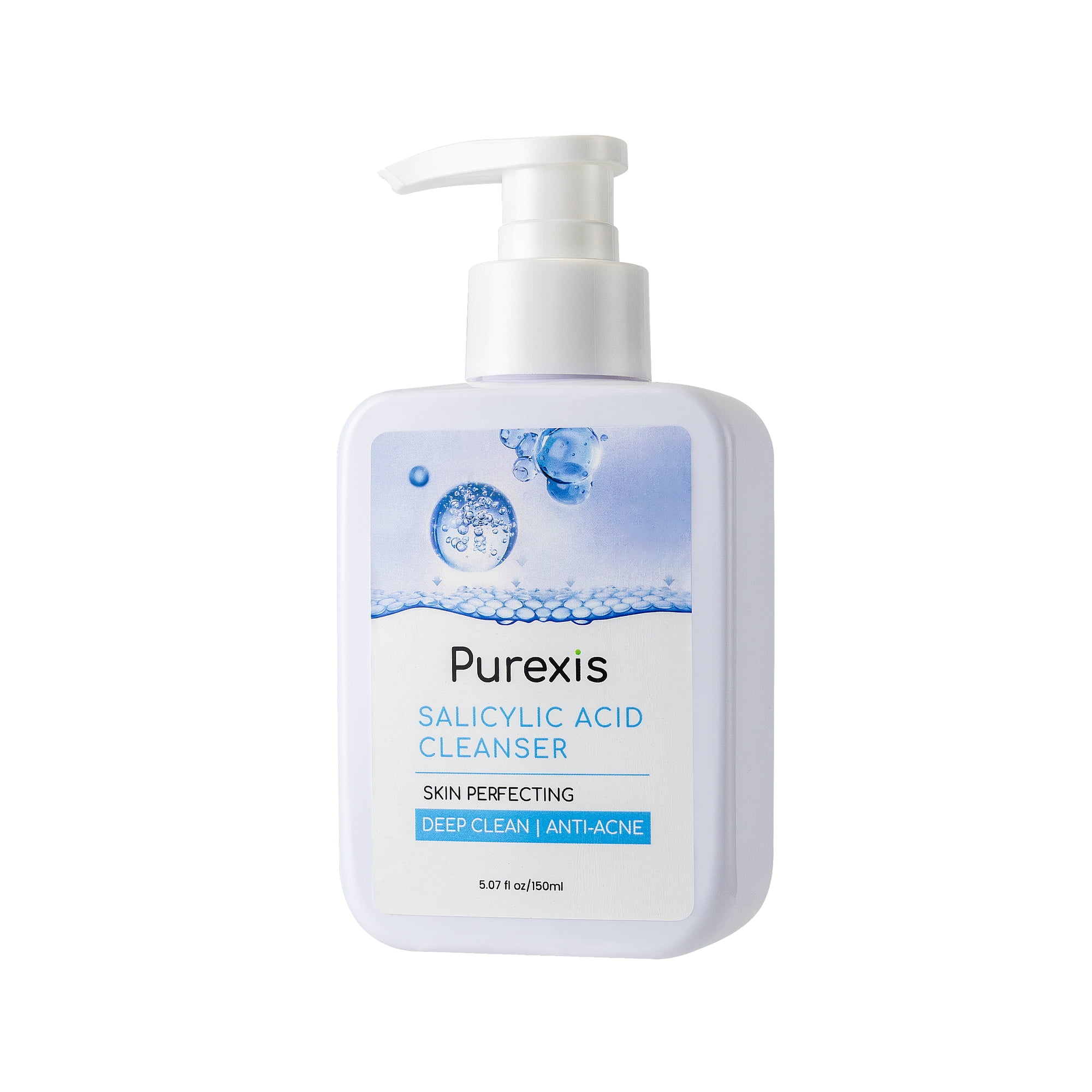
- Cleanse: Use a gentle, pH‑balanced cleanser to remove makeup and impurities. Avoid harsh foaming cleansers that can strip natural oils.
- Toner (Optional): Apply an alcohol‑free toner to balance skin pH and prepare the surface for serums.
- Serum Application: Dispense 2–3 drops of the kojic‑licorice serum onto fingertips. Gently pat across the face, focusing on areas with hyperpigmentation (e.g., melasma, age spots, post‑acne marks). Avoid the eye area unless the product is labeled safe for that region.
- Moisturizer: Follow with a lightweight, hydrating moisturizer that contains ceramides or hyaluronic acid to reinforce the barrier.
- Sunscreen (Daytime): Finish with a broad‑spectrum SPF 30 or higher sunscreen. Sun exposure can reverse brightening efforts and worsen pigmentation.
- Nighttime: At night, you can repeat the serum and moisturizer steps. If you’re using a retinoid, apply it after the serum to avoid irritation.
Safety Tips & Potential Side Effects
Although kojic acid and licorice are generally well‑tolerated, they can cause irritation in some individuals, especially at higher concentrations.
- Patch Test: Before full use, apply a small amount to the inner forearm and wait 24 hours for any reaction.
- Start Low: Begin with a lower concentration or a diluted product, gradually increasing as tolerated.
- Avoid Over‑Exfoliation: Combining strong exfoliants (e.g., AHAs/BHAs) with kojic acid can lead to redness and peeling.
- Pregnancy & Breastfeeding: Consult a healthcare provider before using these ingredients during pregnancy.
Common Mistakes to Avoid
- Skipping Sunscreen: Hyperpigmentation treatments are most effective when protected from UV rays.
- Using Expired Products: Kojic acid degrades over time, reducing efficacy and potentially increasing irritation.
- Applying Too Thickly: A thin, even layer is sufficient; excess product can clog pores.
- Ignoring Patch Test Results: If redness, itching, or burning occurs, discontinue use.
Real‑World Success Stories
Many users report noticeable improvements after 4–6 weeks of consistent use. For example, a 32‑year‑old dermatologist’s assistant shared that her post‑acne hyperpigmentation faded by 40% after incorporating a 1.5% kojic acid/0.8% glabridin serum into her nightly routine. She also noted smoother texture and reduced redness — attributes attributed to licorice’s soothing properties.
DIY: Homemade Brightening Serum
For those who prefer a hands‑on approach, you can craft a simple serum at home. This recipe uses a commercial kojic acid powder and licorice root extract.
- Ingredients:
- 1 g kojic acid powder (≈1% concentration)
- 2 g licorice root extract (≈2% concentration)
- 10 mL distilled water
- 1 mL glycerin (optional for humectancy)
- 1 mL preservative (e.g., phenoxyethanol) to extend shelf life
- Procedure:
- Dissolve the kojic acid powder in distilled water using a magnetic stirrer until fully dissolved.
- Add the licorice extract and glycerin, stirring gently.
- Introduce the preservative, ensuring a homogeneous mixture.
- Transfer the serum into a dark‑glass dropper bottle and label with the date.
- Storage: Keep refrigerated and use within 3 months.
Frequently Asked Questions
1. Can I use kojic acid and licorice if I have sensitive skin?
Yes, but start with lower concentrations and perform a patch test. Licorice’s anti‑inflammatory properties often make the combination gentler than kojic acid alone.
2. How long does it take to see results?
Visible improvement typically appears after 4–6 weeks of consistent use, but full results may take 3–4 months depending on skin type and severity of pigmentation.
3. Are there any contraindications?
People with severe allergies to soy or licorice derivatives should avoid these products. Pregnant or nursing women should consult a healthcare provider before use.
4. Can I combine this serum with retinoids?
Yes, but apply the retinoid after the kojic‑licorice serum has fully absorbed. This layering helps prevent irritation.
5. What’s the difference between kojic acid and hydroquinone?
Kojic acid is a natural, milder depigmenting agent with a lower risk of side effects compared to hydroquinone, which is a stronger chemical that requires prescription and carries higher irritation potential.
By understanding the science behind kojic acid and licorice, selecting the right concentration, and integrating them thoughtfully into your routine, you can achieve a brighter, more even complexion while maintaining skin health.
For more on natural brightening ingredients, visit our comprehensive guide.
Leave a Reply