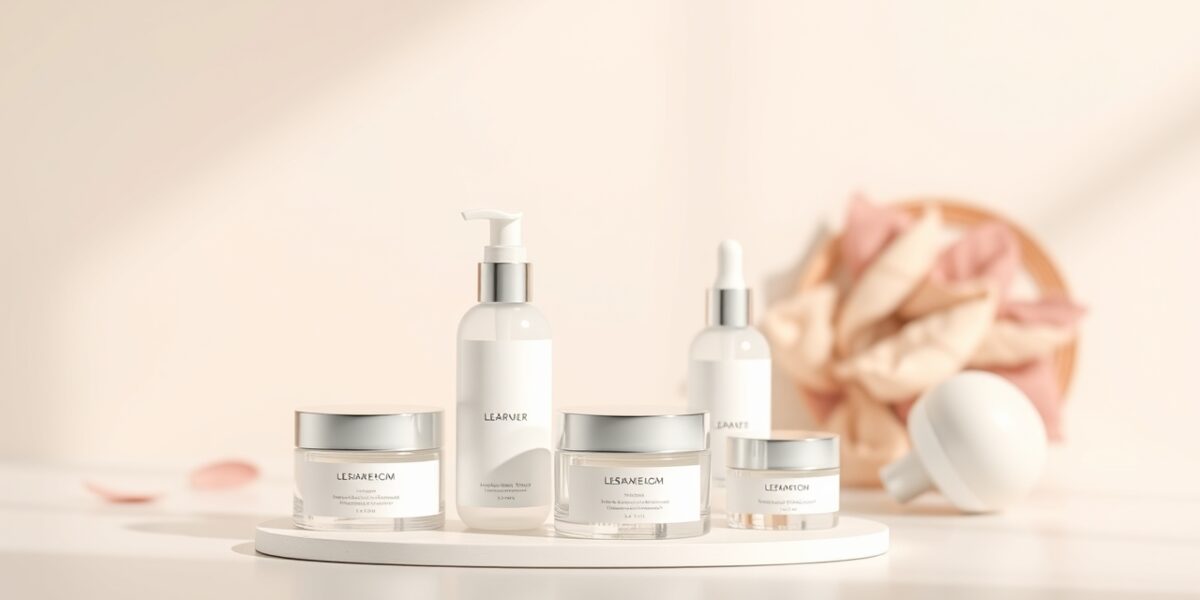
Oily acne‑prone skin can feel like a constant battle against excess shine, blackheads, and sudden breakouts. Yet, with a well‑structured routine that balances cleansing, treatment, and protection, you can tame the oil, clear the pores, and restore a healthy glow. This guide is a step‑by‑step playbook that takes you through the science behind each step, the best ingredients to look for, and how to customize the routine to fit your lifestyle.
Before you dive into products, it’s essential to understand the unique characteristics of oily acne‑prone skin. Knowing what your skin is trying to tell you will help you make smart choices that keep the skin’s natural barrier intact while still fighting blemishes.
Understanding Your Oily Acne‑Prone Skin
Oily skin produces an excess amount of sebum, the natural oil that keeps the skin hydrated and protected. In acne‑prone individuals, this sebum mixes with dead skin cells, bacteria, and environmental pollutants, clogging pores and creating a perfect environment for Propionibacterium acnes to thrive. The result is inflammation, blackheads, whiteheads, and sometimes painful cysts.


Key signs of oily acne‑prone skin include:
- A shiny, greasy appearance, especially over the T‑zone (forehead, nose, chin).
- Visible pores that look enlarged or stretched.
- Frequent breakouts that flare up after meals, stress, or hormonal changes.
- Skin that feels tight or uncomfortable after cleansing or washing.
Because the skin’s barrier can become compromised by over‑cleansing or harsh ingredients, a routine that respects the barrier while targeting oil and acne is crucial. The following sections break down a comprehensive AM and PM routine, ingredient spotlight, and lifestyle tweaks that reinforce the skin’s health.
Morning AM Routine for Oily Acne‑Prone Skin
The morning routine is all about preparing the skin for the day’s challenges—sunlight, pollution, and the inevitable touch of makeup or sunscreen—while keeping oil in check.
1. Gentle Cleanse
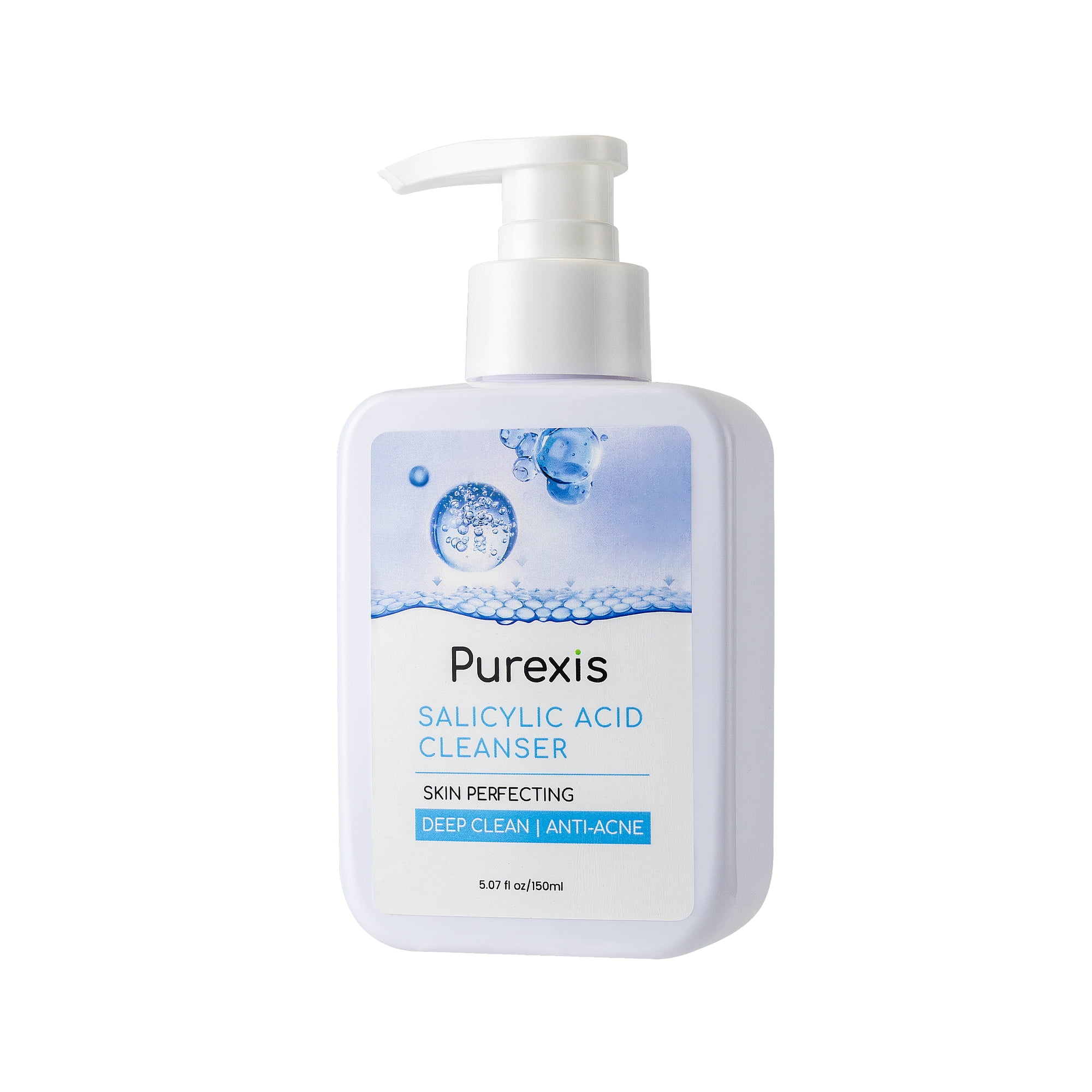
Start with a water‑based cleanser that contains a low concentration of salicylic acid (0.5–2%). Salicylic acid is a beta‑hydroxy acid that dissolves sebum and dead cells inside the pores, reducing the risk of congestion. Look for gentle formulas that include soothing ingredients such as aloe vera or chamomile to prevent irritation.
2. Tone with an Alcohol‑Free Formula
A toner can help restore pH balance and remove any residual impurities. Choose a toner that is alcohol‑free and contains niacinamide, witch hazel (in a non‑alcoholic form), and glycerin. Niacinamide helps reduce inflammation, regulate oil production, and tighten pores, while witch hazel offers a mild astringent effect without the drying impact of alcohol.
3. Spot‑Treat Active Breakouts
If you have fresh blemishes, apply a pea‑size amount of a benzoyl peroxide spot treatment (5% or lower). Benzoyl peroxide kills acne‑causing bacteria and helps clear existing lesions. Wait 30–60 seconds before moving on to allow the product to absorb fully.
4. Lightweight Moisturize
Even oily skin needs hydration. Choose a gel‑based or lightweight lotion that contains hyaluronic acid for water‑binding and ceramides to strengthen the skin barrier. Avoid heavy, occlusive creams that can clog pores.
5. SPF Protection
Sun protection is non‑negotiable. Pick a broad‑spectrum SPF 30 or higher that is labeled “oil‑free” or “non‑comedogenic.” Mineral formulas (zinc oxide or titanium dioxide) are often gentler on acne‑prone skin, but many modern chemical sunscreens are also formulated to be lightweight and non‑pore‑blocking.
Evening PM Routine for Oily Acne‑Prone Skin
The evening routine focuses on repairing the skin barrier, targeting active breakouts, and promoting cell turnover. Because the skin’s natural repair processes peak during the night, it’s the perfect time to apply more potent actives.
1. Double Cleanse
First, use an oil‑based cleanser or cleansing balm to dissolve sunscreen, makeup, and excess sebum. Follow with the same water‑based, salicylic‑acid cleanser used in the morning to remove any remaining impurities.
2. Exfoliate 1–2 Times a Week
Incorporate a chemical exfoliant once or twice weekly. For oily acne‑prone skin, a BHA (salicylic acid) or AHA (glycolic acid) serum works well. BHA penetrates deeper into the pores, while AHA smooths the surface and promotes cell turnover. Start with a lower concentration (1–2%) and increase gradually to avoid irritation.
3. Targeted Treatment
Apply a serum or retinoid that targets acne and fine lines. Retinoids increase cell turnover and prevent clogged pores, but they can be drying. If you’re new to retinoids, start with a 0.25% adapalene or tretinoin cream and use it every other night. Pair it with a hydrating serum that contains niacinamide or hyaluronic acid to soothe the skin.
4. Moisturize and Seal
Finish with a lightweight, oil‑free moisturizer that contains ceramides, niacinamide, and antioxidants like vitamin C or E. If you’re using a retinoid, consider applying a barrier‑strengthening cream after the retinoid has absorbed to reduce irritation.
Additional Tips and Lifestyle Factors
Products alone won’t solve oily acne‑prone skin if lifestyle factors are ignored. Here are some practical habits to reinforce your routine.
- Diet: A balanced diet low in refined sugars and dairy can help reduce sebum production. Incorporate omega‑3 rich foods, leafy greens, and plenty of water.
- Stress Management: Stress triggers cortisol, which can increase oil production. Practice yoga, meditation, or deep‑breathing exercises to keep cortisol levels in check.
- Sleep: Aim for 7–9 hours of quality sleep each night. Poor sleep can disrupt hormone balance and worsen acne.
- Hygiene: Change pillowcases and face towels every few days to prevent bacteria buildup. Wash your phone screen regularly.
- Sun Exposure: While sunscreen protects, excessive sun can dry out the skin and trigger rebound oil production. Use a balanced routine that includes a lightweight moisturizer and SPF.
When you notice irritation—redness, peeling, or excessive dryness—scale back the actives. A simple “two‑step” routine (cleanser + moisturizer) can give the barrier time to recover.
Conclusion
Mastering a skincare routine for oily acne‑prone skin requires patience, consistency, and a willingness to tweak products based on how your skin responds. By focusing on gentle cleansing, targeted treatment, adequate hydration, and sun protection, you can keep excess oil at bay, prevent new breakouts, and maintain a balanced complexion. Remember, the goal isn’t to strip the skin of its natural oils but to regulate them so that your skin remains clear, calm, and radiant.
Start with the basics, observe how your skin reacts, and gradually introduce actives as needed. Over time, you’ll find a routine that feels natural, effective, and sustainable—one that keeps your native oil production in check while giving you the confidence of a clear, healthy glow.
For further reading, see related references on Wikipedia.
Leave a Reply